Search
for
Sort by
Research
480-510 / 1000+ resultsresearch Contact dermatitis due to minoxidil
Minoxidil caused a skin reaction in a woman.
research Preparation and Characterization of Minoxidil Loaded Nanostructured Lipid Carriers
Nanostructured lipid carriers improve minoxidil delivery for hair loss treatment.
research The hair growth effect of minoxidil
Minoxidil promotes hair growth by increasing blood flow and directly affecting hair follicles.
research Solubility Preformulation Screening of Minoxidil in Different Natural Oils Using Experimental and Computational Approaches
Minoxidil dissolves best in shea butter, stearic acid, and rosemary oil, which may improve hair growth treatments.

research Control plasma renin activity and changes in sympathetic tone as determinants of minoxidil-induced increase in plasma renin activity.
Minoxidil boosts plasma renin activity, influenced by control plasma renin activity and changes in sympathetic tone.
research Literature Review
Minoxidil is a safe, FDA-approved treatment for hair loss, available in topical and possibly low-dose oral forms.

research Minoxidil nanoliposomes as a hair growth stimulator and a scalp disinfectant.
Minoxidil nanoliposomes boost hair growth and reduce scalp bacteria better than regular minoxidil.
research Liposomes enhance the hair follicle delivery of minoxidil sulfate with improved treatment of androgenic alopecia
Liposomes improve minoxidil delivery to hair follicles, enhancing treatment for hair loss.
research Voltammetric detection with a comprehensive electrochemistry study of minoxidil using nuclear magnetic resonance and infrared analyses: Applications in the forensic and pharmaceutical fields
A new, quick method accurately detects minoxidil in drugs and cosmetics.
research 남성형 탈모증 환자에 대한 5% Minoxidil 외용액의 공개 다기관 임상연구(제4상 임상시험)(대한모발학회 공동연구)
Topical 5% minoxidil is safe and effective for treating hair loss in Korean men.

research Remodel the perifollicular microenvironment via Minoxidil-loaded microneedle patch and cold atmospheric plasma for treating androgenetic alopecia
Minoxidil patches and cold plasma may help treat hair loss.
research [XANTHOTRICHIA (YELLOWING OF THE HAIR) DUE TO MINOXIDIL TREATMENT].
Minoxidil can cause hair to turn yellow.

research In vitro skin permeation of monoolein nanoparticles containing hydroxypropyl β-cyclodextrin/minoxidil complex
Nanoparticles improve minoxidil skin permeation, but more research needed for effective hair growth.
research Differences in activity of minoxidil and cyclosporin A on hair growth in nude and normal mice. Comparisons of in vivo and in vitro studies.
Cyclosporin A boosts hair growth in nude mice, but minoxidil does not.
research Erythema multiforme following topical minoxidil
Minoxidil can cause erythema multiforme, even if patch tests are negative.

research Minoxidil suppressed cerebral ischemic injury by direct effect on neural tissues but not by reducing blood pressure.
Minoxidil protects brain tissue directly, not by lowering blood pressure.

research Comparative Study to Evaluate Tolerability of Topical 5% Minoxidil Novel Formulation and Alcohol-Based Conventional Solutions in Treatment of Androgenetic Alopecia in Indian Men: Randomized Double-Blind Study
New 5% minoxidil solution improves scalp hydration, reduces redness, and may be safer for sensitive users.

research USE OF TOPICAL MINOXIDIL THERAPY FOR ANDROGENETIC ALOPECIA IN WOMEN
Minoxidil helps hair growth and reduces shedding in women.

research Computational design and development of a novel voltammetric sensor for minoxidil detection based on electropolymerized molecularly imprinted polymer
New sensor detects minoxidil accurately and effectively.

research Ophthalmohypertension caused by minoxidil
Minoxidil might rarely increase eye pressure.
research The Effects of Traditional Kurdistan Plant Extracts on Rat Hair Growth in vivo
Traditional Kurdistan plant extracts can promote hair growth like Minoxidil.
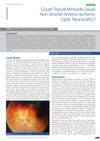
research Could Topical Minoxidil Cause Non-Arteritic Anterior Ischemic Optic Neuropathy?
Topical minoxidil might potentially cause vision problems, but more research is needed.
research The use of minoxidil in the treatment of male and female androgenetic alopecia: a story of more than 30 years
Minoxidil effectively stimulates hair growth in androgenetic alopecia.

research Hair regrowth boosting via minoxidil cubosomes: Formulation development, in vivo hair regrowth evaluation, histopathological examination and confocal laser microscopy imaging
A new version of minoxidil, a hair loss treatment, was made using nanotechnology. This version, called minoxidil cubosomes, works better and causes fewer skin reactions than the old version. It also penetrates and stays in the skin better, promoting hair regrowth. It's safe and could be a good alternative to current treatments.
research Minoxidil and pericardial effusion: An idiosyncratic reaction
Minoxidil can cause dangerous fluid buildup around the heart.
research Low‐dose oral minoxidil in female patients with lichen planopilaris: Real‐life experience
research Severe Hypertrichosis of the External Ear Canal During Minoxidil Therapy
Minoxidil can cause excessive hair growth in the ear canal, leading to ear infections and hearing loss.
research Minoxidil opens mitochondrial KATP channels and confers cardioprotection
Minoxidil protects heart and improves recovery.