 March 2026 in “Inflammopharmacology”
 Ursolic acid from Ochrosia elliptica leaves may help manage PCOS symptoms.
 February 2026 in “Frontiers in Bioengineering and Biotechnology”
 Liposome-based systems improve skin wound healing effectively.
 February 2026 in “Plastic and Aesthetic Research”
 Regenerative aesthetic medicine aims to restore tissue function, but needs more consistent evidence and standardized practices.
 February 2026 in “Human Cell”
 MSC-CM can boost skin cell growth and movement, aiding skin repair.
 February 2026 in “Frontiers in Medicine”
 FUE hair transplants are generally safe but require careful planning to avoid rare complications.
 January 2026 in “Forum Dermatologicum”
 Hair loss can be caused by cancer, treatments, or skin conditions, and trichoscopy helps diagnose it.
 January 2026 in “Frontiers in Pharmacology”
 Sanhuang Fukang oil helps heal radiation skin injuries by reducing inflammation and cell death.
 December 2025 in “Naunyn-Schmiedeberg s Archives of Pharmacology”
 Agomelatine may help reduce benign prostatic hyperplasia by blocking certain inflammatory pathways.
 November 2025 in “Nanoscale Advances”
 Inorganic nanoparticle-based scaffolds can improve wound healing by fighting bacteria and helping tissue grow.
 November 2025 in “IECCMEXICO”
 3D bioprinting advancements are improving skin regeneration for wound healing and personalized reconstruction.
 November 2025 in “IECCMEXICO”
 Regenerative therapies are improving aesthetic surgery by enhancing tissue quality and healing.
 November 2025 in “Frontiers in Endocrinology”
 Apigenin and ellagic acid may help manage PCOS symptoms.
 August 2025 in “Majalah Obstetri & Ginekologi”
 Vaccination helps reduce long COVID symptoms in women with PCOS.
 June 2025 in “Basrah Researches Sciences”
 Medicinal plants might help with post-COVID-19 issues, but more research is needed.
 May 2025 in “International Journal of Clinical Obstetrics and Gynaecology”
 A holistic approach, including lifestyle changes and surgery, is recommended for better long-term PCOS management.
Survivors of severe COVID-19 need ongoing care to manage lasting health issues.
 January 2025 in “Open Medicine”
 High-concentration cell-free adipose extract reduces scar formation and improves scar appearance.
 November 2024 in “Communities in ADDI (University of the Basque Country)”
 Antisense oligonucleotides show promise for treating Myotonic Dystrophy type I.
Personalized, multidisciplinary care improves skin condition management and patient outcomes.
 May 2024 in “bioRxiv (Cold Spring Harbor Laboratory)”
 KAP-depleted hair causes less immune response and is more biocompatible for implants.
 April 2024 in “Cell death and disease”
 Long COVID causes various long-term health issues and needs better awareness and treatment.
 April 2024 in “Frontiers in pharmacology”
 Cynoglossum amabile has medicinal potential but poses safety concerns due to liver toxicity.
 March 2024 in “GSC Advanced Research and Reviews”
 Different light affects cell functions and can help treat skin conditions.
The Chromolaena odorata patch significantly speeds up wound healing.
 February 2024 in “Journal of Health Science and Medical Therapy”
 ADAM17 could be a potential target for treating PCOS.
 December 2023 in “bioRxiv (Cold Spring Harbor Laboratory)”
 Aged individuals heal wounds less effectively due to specific immune cell issues.
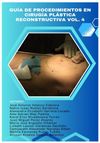 December 2023 in “Juan Cuevas eBooks”
 Advanced reconstructive plastic surgery techniques improve outcomes with personalized care and innovative treatments.
 December 2023 in “bioRxiv (Cold Spring Harbor Laboratory)”
 AP-2α and AP-2β proteins are essential for healthy adult skin and hair.
 October 2023 in “European medical journal. Dermatology”
 Hair loss greatly affects quality of life, and dermatologists are crucial for proper diagnosis and treatment.
 September 2023 in “medRxiv (Cold Spring Harbor Laboratory)”
 Long-COVID has diverse, long-term health impacts, especially in young people.