 8 citations
,
July 2022 in “BMC neuroscience”
8 citations
,
July 2022 in “BMC neuroscience” Transplanted hair follicle stem cells improved brain function and reduced damage after a stroke in rats.

Finasteride may increase stroke risk in people with clotting tendencies.
14 citations
,
January 2023 in “Engineered Regeneration” Antioxidative nanozymes could effectively treat ischemic stroke by reducing harmful molecules in the brain.
 January 2024 in “Research Square (Research Square)”
 Traditional Chinese medicine may help treat ischemic stroke by targeting specific genes and pathways.
30 citations
,
May 2015 in “Current Cardiology Reviews” Lower testosterone increases heart disease risk; higher estradiol increases risk in women.
 18 citations
,
March 2024 in “Frontiers in Pharmacology”
18 citations
,
March 2024 in “Frontiers in Pharmacology” Natural plant products like Proanthocyanidins and curcumin may help treat ischemic stroke by reducing inflammation.
 14 citations
,
January 2024 in “Theranostics”
14 citations
,
January 2024 in “Theranostics” Intranasal delivery of gene therapy shows promise for treating ischemic stroke.
 January 2024 in “Journal of Biosciences and Medicines”
 Combining Ginkgo biloba and butylphthalide improves cognitive recovery and reduces inflammation after a stroke.
 7 citations
,
January 2019 in “Headache”
7 citations
,
January 2019 in “Headache” Hormone therapy may increase migraines in transgender women and decrease them in transgender men; more research is needed on migraine management in transgender individuals.
 5 citations
,
March 2019 in “Facial Plastic Surgery Clinics of North America”
5 citations
,
March 2019 in “Facial Plastic Surgery Clinics of North America” The document concludes that gender-affirming treatments are essential for transgender individuals and outlines safe hormone therapy practices.
 March 2026 in “Menopause The Journal of The North American Menopause Society”
 Migraines often worsen during perimenopause, but safe treatments are available.
Valproic acid and rapamycin protect hair follicle stem cells from damage by activating a protective pathway.
 May 2022 in “Journal of Education, Health and Sport”
 Skin diseases like psoriasis, lupus, and others can increase heart disease risk due to factors like chronic inflammation and genetic susceptibility.
 March 2025 in “Anatomy & Cell Biology”
 Hair follicle stem cell secretions may help protect brain cells and improve stroke recovery.
 1 citations
,
January 2015 in “Der pharmacia lettre”
1 citations
,
January 2015 in “Der pharmacia lettre” Neurosteroids help protect the brain and improve behavior after a stroke in mice.
74 citations
,
February 2018 in “Stroke” Women have unique stroke risks due to hormones, contraceptives, pregnancy, and menopause.
2 citations
,
December 2024 in “Neural Regeneration Research” Exosome therapy could revolutionize stroke treatment, but more research is needed for human use.
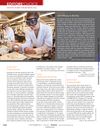 September 2013 in “Science”
 Transplanted human Olig2+ astroglia may help improve learning and memory after a stroke.
 6 citations
,
January 2020 in “BMC Neuroscience”
6 citations
,
January 2020 in “BMC Neuroscience” Male tissue has more cell death than female tissue after ischemia, and some neurosteroids only protect female cells.
12 citations
,
February 2023 in “Stem Cell Research & Therapy” HGF-modified hair follicle stem cells help brain recovery after injury in rats.
 January 2024 in “Wiadomości Lekarskie”
 Proper ischemic stroke treatment with a multidisciplinary approach reduces mortality and morbidity.
31 citations
,
September 2020 in “Stem Cell Research & Therapy” Hair follicle stem cells may help repair the brain after a stroke.
 May 2020 in “Research Square (Research Square)”
 Hair follicle stem cells may help treat strokes.
1 citations
,
August 2020 in “Research Square (Research Square)” Hair follicle stem cells may help treat strokes by improving brain recovery.
August 2020 in “Research Square (Research Square)” Hair follicle stem cells may help treat strokes.
January 2024 in “Turkish Neurosurgery” Dexpanthenol helps protect the brain and improve motor skills after a stroke.
 September 2013 in “Science”
 Special astroglia cells improved stroke recovery in rats, a hair growth drug reduced cancer spread, and tiny magnesium structures were more easily shaped.
 September 2013 in “Science”
 The document concludes that human astrocytes aid stroke recovery, research confidence affects student career aspirations, collagen affects cancer spread, a microRNA suppresses brain cancer growth, calmodulin regulates water channels, and small magnesium pieces deform differently.
 September 2013 in “Science”
 Certain astrocytes can protect the brain and improve recovery after a stroke, and a hair loss drug might reduce cancer spread.
 September 2013 in “Science”
 Special astrocytes improved learning and memory in rats after a stroke.