 24 citations
,
December 2018 in “Life sciences”
24 citations
,
December 2018 in “Life sciences” Lysophosphatidic acid is important for skin health and disease, and could be a target for new skin disorder treatments.
 21 citations
,
July 2017 in “Journal of Cosmetic and Laser Therapy”
21 citations
,
July 2017 in “Journal of Cosmetic and Laser Therapy” Vesicular carriers like liposomes may improve cosmetic skin treatment delivery and effectiveness but need more human research.
 21 citations
,
January 1988 in “Stress Medicine”
21 citations
,
January 1988 in “Stress Medicine” Stress affects skin health and emotional well-being should be considered in skin disease treatment.
 19 citations
,
June 2015 in “Actas Dermo-Sifiliográficas”
19 citations
,
June 2015 in “Actas Dermo-Sifiliográficas” Chronic kidney disease can cause skin problems that affect patient quality of life, and treating these conditions can improve outcomes.
 10 citations
,
November 2024 in “Nature Reviews Cardiology”
10 citations
,
November 2024 in “Nature Reviews Cardiology” Skin conditions can signal heart issues, highlighting the need for integrated care.
 8 citations
,
September 2016 in “Reviews in Endocrine and Metabolic Disorders”
8 citations
,
September 2016 in “Reviews in Endocrine and Metabolic Disorders” Skin health and diseases are closely linked to metabolic processes.
 3 citations
,
September 2023 in “Frontiers in immunology”
3 citations
,
September 2023 in “Frontiers in immunology” Chronic inflammatory skin diseases are caused by disrupted interactions between skin cells and immune cells.
 2 citations
,
February 2014 in “Journal of Crohn's and colitis”
2 citations
,
February 2014 in “Journal of Crohn's and colitis” Some IBD patients on anti-TNFs developed severe skin issues, but ustekinumab helped.
 1 citations
,
September 2025 in “EMJ Dermatology”
1 citations
,
September 2025 in “EMJ Dermatology” Menopause affects skin and hair, and more research is needed for effective treatments.
 1 citations
,
January 2000 in “Springer eBooks”
1 citations
,
January 2000 in “Springer eBooks” Pregnancy can cause various skin changes and diseases, requiring careful treatment to protect the baby.
 July 2026 in “Organoid Research”
 A unified framework is needed to improve skin organoid construction for research and clinical use.
 July 2026 in “Frontiers in Immunology”
 Targeting protein lactylation may improve skin disease treatments.
 February 2026 in “International Journal of Web of Multidisciplinary Studies”
 Restoring microbial balance and using exosome therapies may help treat hair disorders like alopecia and acne.
 January 2026 in “Quality in Sport”
 Semaglutide may help some skin disorders but can also cause skin issues.
 November 2025 in “Frontiers in Immunology”
 Immune cells are crucial for normal skin development and their dysfunction can cause skin disorders.
 October 2025 in “Frontiers in Immunology”
 Platelet-rich plasma might help treat eczema by reducing inflammation and repairing the skin.
 September 2023 in “Research Square (Research Square)”
 TNC+ fibroblasts play a key role in skin inflammation by interacting with T cells.
 March 2022 in “Journal of Clinical Case Studies Reviews & Reports”
 COVID-19 can cause or worsen skin conditions and might show early signs of infection.
 March 2022 in “Journal of clinical case studies reviews & reports”
 COVID-19 can cause different skin issues, including rashes and hair loss.
 April 2018 in “The journal of investigative dermatology/Journal of investigative dermatology”
 Electrical epilation damages hair follicles and surrounding skin, likely preventing hair regrowth.

Tailored nonsurgical cosmetic procedures are crucial for safely treating diverse skin types, especially skin of color.
 October 2016 in “Elsevier eBooks”
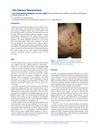
 Common noncancerous skin diseases have various treatments, including topical applications, light therapy, surgery, and medications, with psychological support being important.
 April 2016 in “The journal of investigative dermatology/Journal of investigative dermatology”
 BMP signaling controls hair growth and skin color.
 January 2014 in “Durham e-Theses (Durham University)”
 Notch1 helps skin heal by attracting cells that aid repair.
 June 2012 in “Springer eBooks”
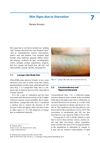
 Skin changes can indicate starvation and nutritional deficiencies in anorexia nervosa.
 April 1955 in “Archives of pediatrics & adolescent medicine”
 Children's skin diseases need special care and treatment.
 March 2024 in “International Research Journal Of Modernization In Engineering Technology And Science”
 Certain plants like Aloe vera and Neem are effective and safe for treating various skin conditions.
 November 2023 in “Curēus”
 Higher stress levels are linked to more skin problems, especially in young women.
 June 2015 in “Journal of the turkish academy of dermatology”
 Eating the right foods is important for skin health and can help treat some skin conditions.
 6 citations
,
February 1974 in “The BMJ”
6 citations
,
February 1974 in “The BMJ” The document concludes that scalp disorders can be treated with hair washing, specific shampoos, medications, and sometimes surgery or hair transplants, but hereditary baldness is untreatable.