17 citations
,
May 2019 in “BMJ Open” JAK/STAT inhibitors show promise for skin diseases but aren't yet approved.
16 citations
,
January 2020 in “Annals of the rheumatic diseases” Baricitinib might help treat hair loss in lupus patients, but more research is needed.
16 citations
,
June 2018 in “JAAD case reports” A JAK inhibitor improved both severe hair loss and chronic skin disease in one patient.
 14 citations
,
January 2020 in “Mediterranean Journal of Rheumatology”
14 citations
,
January 2020 in “Mediterranean Journal of Rheumatology” New JAK inhibitor drugs show promise for treating skin diseases but need more research on safety and effectiveness.
12 citations
,
November 2023 in “Skin Appendage Disorders” JAK inhibitors might help treat Lichen Planopilaris, but more research is needed.
11 citations
,
September 2024 in “American Journal of Clinical Dermatology” Switching JAK inhibitors or using dupilumab may help some alopecia areata patients who don't respond well to initial treatments.
 11 citations
,
December 2018 in “Journal of the European Academy of Dermatology and Venereology”
11 citations
,
December 2018 in “Journal of the European Academy of Dermatology and Venereology” Stopping JAK inhibitor treatment for hair loss can lead to worse hair loss than before the treatment.
 11 citations
,
October 2018 in “Pediatric dermatology”
11 citations
,
October 2018 in “Pediatric dermatology” Leflunomide and anthralin may effectively treat severe alopecia areata.
 11 citations
,
April 2015 in “EBioMedicine”
11 citations
,
April 2015 in “EBioMedicine” JAK inhibitors may help treat Alopecia Areata but need careful monitoring due to side effects.
8 citations
,
March 2023 in “PubMed” JAK inhibitors show promise in treating difficult skin diseases.
6 citations
,
October 2024 in “Journal of Family Medicine and Primary Care” Primary care doctors need to monitor JAK and TYK-2 inhibitors carefully for skin conditions.
4 citations
,
July 2023 in “Nature Medicine” The FDA approved a new Pfizer drug for hair loss in teens.
4 citations
,
January 2020 in “PubMed” JAK inhibitors may become the first approved treatment for alopecia areata if they are proven safe and effective.
3 citations
,
April 2024 in “International Journal of Women’s Dermatology” Access to JAK inhibitor therapy for alopecia areata patients is difficult, especially for racial minorities.
 3 citations
,
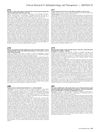
April 2016 in “Journal of Investigative Dermatology”
3 citations
,
April 2016 in “Journal of Investigative Dermatology” Tofacitinib, a JAK inhibitor, improved hair regrowth in most patients with severe alopecia areata and had minimal side effects.
2 citations
,
May 2025 in “Archives of Dermatological Research” JAK inhibitors do not increase cancer risk in severe alopecia areata compared to traditional treatments.
2 citations
,
February 2025 in “Archives of Dermatological Research” Baricitinib is a safe and effective alternative for alopecia areata patients who do not respond to tofacitinib.
2 citations
,
February 2025 in “Journal of the European Academy of Dermatology and Venereology” JAK inhibitors may effectively treat lichen planopilaris and frontal fibrosing alopecia with minimal side effects.
2 citations
,
May 2024 in “Expert Opinion on Drug Safety” Infections during JAK inhibitor treatment for alopecia areata are usually manageable and rarely stop treatment permanently.
 2 citations
,
March 2024 in “Meditsinskiy sovet = Medical Council”
2 citations
,
March 2024 in “Meditsinskiy sovet = Medical Council” JAK inhibitors effectively treat severe atopic dermatitis and alopecia areata.
 2 citations
,
April 2023 in “JEADV. Journal of the European Academy of Dermatology and Venereology/Journal of the European Academy of Dermatology and Venereology”
2 citations
,
April 2023 in “JEADV. Journal of the European Academy of Dermatology and Venereology/Journal of the European Academy of Dermatology and Venereology” JAK-inhibitors for alopecia areata are generally safe with mostly mild side effects and a low rate of treatment withdrawal.
 2 citations
,
April 2018 in “Journal of Investigative Dermatology”
2 citations
,
April 2018 in “Journal of Investigative Dermatology” Frontal fibrosing alopecia shows increased inflammation and JAK-STAT pathway activity without reduced hair proteins.
 2 citations
,
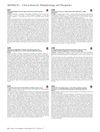
April 2017 in “Journal of Investigative Dermatology”
2 citations
,
April 2017 in “Journal of Investigative Dermatology” Tofacitinib helped over half of the patients with severe hair loss regrow at least 50% of their hair.
 1 citations
,
December 2022 in “The Nishinihon Journal of Dermatology”
1 citations
,
December 2022 in “The Nishinihon Journal of Dermatology” Baricitinib is an effective treatment for severe alopecia areata.
 1 citations
,
January 2020 in “Surgical & Cosmetic Dermatology”
1 citations
,
January 2020 in “Surgical & Cosmetic Dermatology” Combining oral minoxidil with JAK inhibitors helps regrow hair in severe alopecia areata cases.
 1 citations
,
April 2017 in “Journal of Investigative Dermatology”
1 citations
,
April 2017 in “Journal of Investigative Dermatology” Tofacitinib may slow hair loss in scarring alopecias but is unlikely to regrow significant hair.
 September 2014 in “SciBX”
 JAK inhibitors may help treat alopecia areata and promote hair regrowth.
 July 2026 in “Frontiers in Pediatrics”
 An 11-year-old girl with severe hair loss regrew and repigmented her hair after JAK inhibitor treatment.
June 2026 in “Frontiers in Immunology” JAK inhibitors effectively treat inflammatory skin diseases by targeting specific cytokine signals.
May 2026 in “Acta Dermato Venereologica” Early treatment with JAK inhibitors leads to better hair regrowth in acute alopecia areata.