May 2025 in “Journal of the European Academy of Dermatology and Venereology” Ritlecitinib is effective for long-term hair regrowth in alopecia areata, especially in females and early treatment.

New hair regrowth therapies show promise but need more research.
 May 2025 in “JEADV Clinical Practice”
 Hair specialists vary in testing for alopecia areata, highlighting the need for standard guidelines.
May 2025 in “OPAL (Open@LaTrobe) (La Trobe University)” Current treatments for non-scarring alopecia have limited effectiveness and side effects, while natural remedies may offer safer alternatives but need more research.
 May 2025 in “Orphanet Journal of Rare Diseases”
 TNF-α blockers and IL inhibitors improve symptoms in most patients with severe scalp condition, but more research is needed.

Baricitinib is more effective than tofacitinib for hair regrowth in alopecia patients.
 May 2025 in “Journal of Pharmacy And Bioallied Sciences”
 Tofacitinib effectively promotes hair regrowth in children with alopecia areata, but more research on long-term safety is needed.

Tofacitinib effectively regrows hair in alopecia universalis triggered by a virus.
 May 2025 in “Frontiers in Pharmacology”
 Targeting gut microbiome and metabolome may help treat autoimmune skin diseases like alopecia areata.
May 2025 in “OPAL (Open@LaTrobe) (La Trobe University)” Targeting specific metabolic and ionic pathways may improve alopecia areata treatment.
May 2025 in “OPAL (Open@LaTrobe) (La Trobe University)” Linoleic acid and magnesium are key in alopecia areata progression, and tofacitinib can help by affecting their pathway.
May 2025 in “OPAL (Open@LaTrobe) (La Trobe University)” Targeting specific metabolic and ionic pathways may improve alopecia areata treatment.
May 2025 in “OPAL (Open@LaTrobe) (La Trobe University)” Linoleic acid and magnesium are key in alopecia areata progression, and tofacitinib can help by affecting their pathway.
May 2025 in “International Journal of Dermatology” Alopecia areata patients are more likely to develop systemic lupus erythematosus.
May 2025 in “International Journal of Women’s Dermatology” 5-alpha reductase inhibitors and spironolactone don't increase gynecological tumor risk, glucagon-like-peptide-1 receptor agonists may increase alopecia risk, sanitary pads can cause dermatitis, early hidradenitis suppurativa intervention is crucial for Hispanic patients, community education boosts skin cancer awareness, metformin may improve skin cancer survival, LNG-IUDs can increase acne risk, machine learning accurately detects basal cell carcinoma, JAK-inhibitors may raise miscarriage risk, inclusive skincare ads affect those with darker skin, and CCCA in Black women might involve autoimmunity.
 April 2025 in “JAAD Case Reports”
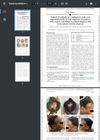
 Topical ruxolitinib and oral minoxidil together can regrow hair in certain types of hair loss.
 April 2025 in “Vestnik dermatologii i venerologii”
 JAK inhibitors like tofacitinib are effective and safer for severe alopecia areata than glucocorticosteroids.
 April 2025 in “Frontiers in Immunology”
 Tofacitinib effectively regrows hair in alopecia areata but may need continuous use.
 April 2025 in “International Journal of Molecular Sciences”
 New treatments for hair loss show promise with advanced therapies and better targeting.
 April 2025 in “BMC Immunology”
 Targeting SIRT1 with antisense oligonucleotides could be a promising treatment for hair loss.
 March 2025 in “Meditsinskiy sovet = Medical Council”
 Dupilumab and oral JAK inhibitors are effective for treating alopecia areata with atopic diseases.
March 2025 in “Journal of Clinical Medicine” Iron chelators can effectively reduce hair loss and improve hair growth in autoimmune alopecia.
 March 2025 in “Drug Development Research”
 The new gel combining minoxidil and tofacitinib effectively treats alopecia areata by promoting hair growth and reducing inflammation.
March 2025 in “Clinical and Experimental Dermatology” Older patients without prior JAK inhibitor treatment respond best to tofacitinib for alopecia areata.
 March 2025 in “Journal of Education Health and Sport”
 Alopecia areata causes hair loss due to immune issues, and while new treatments show promise, no universally effective solution exists yet.
Janus kinase inhibitors are the most supported treatment for pediatric alopecia areata, while other options have limited evidence.
March 2025 in “Journal of Investigative Dermatology” Children's books on alopecia and trichotillomania often miss important treatment information.
February 2025 in “Skin Appendage Disorders” Upadacitinib helps most people with alopecia regrow hair quickly and is generally safe.
February 2025 in “Diagnostics” Most patients improved in both atopic dermatitis and alopecia areata with certain treatments, but some had worsened symptoms, suggesting personalized care is needed.
February 2025 in “bioRxiv (Cold Spring Harbor Laboratory)” Cell detachment, not autoantibody binding, causes major changes in pemphigus.