June 2025 in “Revista Foco” JAK inhibitors effectively treat severe alopecia areata with manageable side effects.
 14 citations
,
January 2020 in “Mediterranean Journal of Rheumatology”
14 citations
,
January 2020 in “Mediterranean Journal of Rheumatology” New JAK inhibitor drugs show promise for treating skin diseases but need more research on safety and effectiveness.
 June 2023 in “Fundamental & clinical pharmacology”
 JAK inhibitors help treat some diseases but may increase risks of blood clots and cancer in certain patients.
13 citations
,
January 2020 in “Acta Dermato Venereologica” Ruxolitinib treatment led to unexpected hair regrowth in a patient with alopecia universalis.
 September 2023 in “JAAD case reports”
 A man developed oral hairy leukoplakia while on baricitinib, a medication for alopecia and arthritis, and doctors should watch for such side effects.
November 2025 in “Biomedicines” JAK1 inhibitors can help reduce itchiness in atopic dermatitis.

Baricitinib is more effective than tofacitinib for hair regrowth in alopecia patients.
4 citations
,
January 2020 in “PubMed” JAK inhibitors may become the first approved treatment for alopecia areata if they are proven safe and effective.
8 citations
,
March 2023 in “PubMed” JAK inhibitors show promise in treating difficult skin diseases.
 8 citations
,
October 2022 in “Dermatology practical & conceptual”
8 citations
,
October 2022 in “Dermatology practical & conceptual” Tofacitinib and ruxolitinib are effective and safe for treating various autoimmune skin and joint disorders.
 December 2025 in “International Journal of Innovative Technologies in Social Science”
 Oral JAK inhibitors effectively treat alopecia areata and are generally well-tolerated.
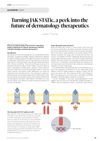 August 2024 in “New Zealand Medical Student Journal”
 JAK inhibitors show promise for treating skin diseases effectively and safely.
November 2023 in “Journal of Investigative Dermatology” JAK inhibitors are effective and generally safe for treating alopecia areata, but monitoring for side effects is important.
4 citations
,
October 2024 in “Journal of the American Academy of Dermatology” Abrocitinib may help treat alopecia areata effectively with mild side effects.
 3 citations
,
May 2023 in “Clinical drug investigation”
3 citations
,
May 2023 in “Clinical drug investigation” JAK inhibitors for alopecia areata are linked to minor side effects like headache and acne, but not to an increased risk of serious adverse events.
 2 citations
,
June 2023 in “Indian journal of dermatology, venereology, and leprology”
2 citations
,
June 2023 in “Indian journal of dermatology, venereology, and leprology” Janus kinase inhibitors can regrow hair in alopecia areata but may cause side effects and hair loss may return if treatment stops.
 7 citations
,
August 2023 in “Journal of the American Academy of Dermatology”
7 citations
,
August 2023 in “Journal of the American Academy of Dermatology” JAK inhibitors offer new hope for treating severe alopecia areata.
 July 2026 in “Zenodo (CERN European Organization for Nuclear Research)”
 JAK inhibitors may help treat alopecia areata by restoring hair growth.
 July 2026 in “Zenodo (CERN European Organization for Nuclear Research)”
 JAK inhibitors may help treat alopecia areata by restoring hair growth.
74 citations
,
February 2018 in “Journal of the American Academy of Dermatology” 5 citations
,
April 2019 in “Journal of Investigative Dermatology” Oral JAK inhibitors improved alopecia areata by modulating immune responses and boosting hair growth.
July 2026 in “Advances in Therapy” Clinicians prefer JAK inhibitors that regrow scalp hair quickly and effectively for alopecia areata.
 2 citations
,
January 2000 in “Journal of Toxicologic Pathology”
2 citations
,
January 2000 in “Journal of Toxicologic Pathology” A single recessive gene causes sparse hair in certain Japanese White rabbits.
 1 citations
,
January 2023 in “Portuguese Journal of Dermatology and Venereology”
1 citations
,
January 2023 in “Portuguese Journal of Dermatology and Venereology” JAK inhibitors effectively treat skin conditions and topical forms are safer.
September 2021 in “Pediatrics in review” A baby with KID syndrome died from infections and organ failure at 18 months old.
 116 citations
,
February 2017 in “Journal of the American Academy of Dermatology”
116 citations
,
February 2017 in “Journal of the American Academy of Dermatology” JAK inhibitors help with skin conditions but need more research on dosing and safety.
 56 citations
,
January 2019 in “Lancet”
56 citations
,
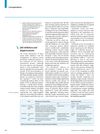
January 2019 in “Lancet” JAK inhibitors help regrow hair in alopecia areata patients, improving their quality of life.
2 citations
,
May 2024 in “Expert Opinion on Drug Safety” Infections during JAK inhibitor treatment for alopecia areata are usually manageable and rarely stop treatment permanently.
July 2025 in “Journal of Investigative Dermatology” Baricitinib stops hair loss and promotes regrowth in alopecia areata.
1 citations
,
March 2025 in “Skin Appendage Disorders” Baricitinib for alopecia areata may rarely cause eye issues like keratitis.