Baricitinib effectively promotes hair regrowth in severe alopecia with minimal side effects.
 January 2021 in “Anais do Congresso Brasileiro de Reumatologia 2020”
 Tofacitinib improved arthritis and partially improved hair loss in a lupus patient without side effects.

Self-monitoring blood pressure in pregnant women didn't improve outcomes, diabetes drugs may increase gallbladder disease risk, a new drug helps severe hair loss, a plant-based COVID-19 vaccine is 69.5% effective, and new anticoagulants are safer for diabetics with heart rhythm issues than warfarin.
 182 citations
,
December 2017 in “Journal of the American Academy of Dermatology”
182 citations
,
December 2017 in “Journal of the American Academy of Dermatology” Some treatments can help with a hair loss condition called alopecia areata, but none ensure lasting results; choices depend on the person, with JAK inhibitors showing promise for severe cases.
 February 2026 in “Clinical Drug Investigation”
 Baricitinib significantly improves nail and hair symptoms in severe alopecia areata.
High CCL11 levels may indicate poor response to baricitinib in severe alopecia areata.
 May 2025 in “JEADV Clinical Practice”
 Tofacitinib and methotrexate successfully treated a woman's severe skin, joint, and hair loss issues.
 June 2025 in “The Journal of Dermatology”
 Baricitinib is effective and safe for long-term treatment of severe alopecia areata.
 157 citations
,
December 2015 in “Journal of the American Academy of Dermatology”
157 citations
,
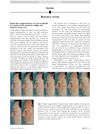
December 2015 in “Journal of the American Academy of Dermatology” A man with vitiligo and alopecia saw quick skin and hair improvement with ruxolitinib, but skin color gains were lost after stopping treatment.
 August 2025 in “Scientific Electronic library online (Sciences Carlos III Health Institute)”
 Tofacitinib can help regrow hair in about 50% of people with moderate-severe alopecia areata.
 March 2024 in “Dermatology and therapy”
 AA patients with comorbid conditions face more severe hair loss and need specific treatments.
 20 citations
,
January 2017 in “Actas Dermo-Sifiliográficas”
20 citations
,
January 2017 in “Actas Dermo-Sifiliográficas” Recent advances in hair loss treatments show significant progress.
May 2025 in “International Journal of Dermatology” Alopecia areata patients are more likely to develop systemic lupus erythematosus.
August 2017 in “Journal of biotechnology” Topical corticosteroids are the best initial treatment for children with Alopecia Areata.
55 citations
,
October 2015 in “Journal of Investigative Dermatology” Alopecia areata is linked to immune-related genes, suggesting JAK inhibitors as a potential treatment.
2 citations
,
May 2025 in “Archives of Dermatological Research” JAK inhibitors do not increase cancer risk in severe alopecia areata compared to traditional treatments.
 1 citations
,
May 2017 in “Journal of the American Academy of Dermatology”
1 citations
,
May 2017 in “Journal of the American Academy of Dermatology” Oral tofacitinib may be an effective and tolerable treatment for some people with severe alopecia areata.
 September 2023 in “Journal of The American Academy of Dermatology”
 Reducing the dose of Baricitinib to 2mg led to a loss of hair regrowth benefits in nearly half of the patients by Week-104.
 April 2023 in “The journal of investigative dermatology/Journal of investigative dermatology”
 Intravenous methylprednisolone helped over half of alopecia areata patients regrow hair, but many relapsed.
December 2025 in “International Journal of Dermatology” Combining low-dose oral minoxidil with immunomodulators shows promise for treating alopecia areata but needs more research.
 1 citations
,
August 2022 in “Journal of Dermatology and Dermatologic Surgery”
1 citations
,
August 2022 in “Journal of Dermatology and Dermatologic Surgery” A patient developed nerve problems as a side effect of a hair loss treatment called tofacitinib.
 May 2025 in “Journal of Inflammation Research”
 A combination of ixekizumab and tofacitinib successfully treated severe scalp cellulitis, leading to hair regrowth.
 28 citations
,
December 2017 in “Journal of Investigative Dermatology Symposium Proceedings”
28 citations
,
December 2017 in “Journal of Investigative Dermatology Symposium Proceedings” Tofacitinib shows promise for treating severe hair loss in adults and teens, with many experiencing regrowth, but hair loss returns when treatment stops.
 1 citations
,
January 2020 in “Surgical & Cosmetic Dermatology”
1 citations
,
January 2020 in “Surgical & Cosmetic Dermatology” Combining oral minoxidil with JAK inhibitors helps regrow hair in severe alopecia areata cases.
 April 2025 in “Vestnik dermatologii i venerologii”
 JAK inhibitors like tofacitinib are effective and safer for severe alopecia areata than glucocorticosteroids.
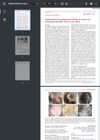 April 2024 in “JEADV clinical practice”
 Upadacitinib significantly improved both rheumatoid arthritis and alopecia areata in a patient.
 June 2023 in “British Journal of Dermatology”
 Baricitinib was effective in treating severe and very severe alopecia areata after 52 weeks.
 January 2023 in “National Journal of Physiology, Pharmacy and Pharmacology”
 Tofacitinib effectively reduced hair loss in alopecia areata patients without adverse effects.
 June 2022 in “Value in Health”
 Adding Baricitinib for severe alopecia areata will have a small impact on a health plan's budget.
 November 2020 in “Dubai medical journal”
 Tofacitinib may effectively regrow hair in alopecia totalis patients.