2 citations
,
May 2025 in “Archives of Dermatological Research” JAK inhibitors do not increase cancer risk in severe alopecia areata compared to traditional treatments.
48 citations
,
April 2021 in “Journal of the American Academy of Dermatology” Topical corticosteroids are the best initial treatment for children's alopecia areata.
 April 2025 in “Vestnik dermatologii i venerologii”
 JAK inhibitors like tofacitinib are effective and safer for severe alopecia areata than glucocorticosteroids.
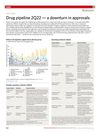 August 2022 in “Nature Biotechnology”
 Drug approvals slowed in 2Q22, but notable drugs like Amvuttra, Camzyos, and Olumiant were approved.
 1 citations
,
December 2022 in “The Nishinihon Journal of Dermatology”
1 citations
,
December 2022 in “The Nishinihon Journal of Dermatology” Baricitinib is an effective treatment for severe alopecia areata.
Ruxolitinib cream shows promise for vitiligo, and early melanoma diagnosis is crucial.
 January 2024 in “International Journal of Dermatology Venereology and Leprosy Sciences”
 Tofacitinib may be safe and effective for treating certain skin conditions in children.
 1 citations
,
January 2023 in “Przegląd Dermatologiczny”
1 citations
,
January 2023 in “Przegląd Dermatologiczny” The Polish Society of Dermatology recommends treatments for alopecia areata that vary by severity, including topical and systemic medications, with long-term maintenance important for management.
 March 2026 in “Editora Pasteur eBooks”
 Hair health is affected by various conditions and requires personalized treatment.
 October 2025 in “Editora Pasteur eBooks”
 Peptides improve skin health and treatments for hair loss and pregnancy-related skin issues are evolving.
 November 2023 in “Research Portal Denmark”
 Baricitinib shows promise for severe alopecia areata but isn't a cure and has side effects.
There are many treatments for common hair loss, but more trials are needed to decide which are best.
 April 2022 in “Health care of Tajikistan”
 Managing alopecia areata in children needs a personalized approach considering genetic, immune, and environmental factors.
4 citations
,
September 2025 in “Journal of the American Academy of Dermatology” June 2026 in “Indian Dermatology Online Journal” Tofacitinib may work better than methotrexate for treating moderate-to-severe alopecia areata.
13 citations
,
February 2017 in “Clinical rheumatology” Tofacitinib may help treat nail dystrophy, especially when other treatments fail.
3 citations
,
September 2024 in “JAAD reviews.” Topical corticosteroids are recommended first for treating pediatric alopecia areata due to their safety and ease of use.
May 2026 in “Inflammopharmacology” 2 citations
,
June 2020 in “Clinical Journal of Gastroenterology” Tofacitinib effectively treated both ulcerative colitis and alopecia areata in two patients.
1 citations
,
November 2025 in “Journal of Dermatological Treatment” Baricitinib is effective and safe for treating severe alopecia areata.
1 citations
,
April 2024 in “Journal of Dermatological Science”  March 2025 in “Experimental Dermatology”
 Overexpression of IKZF1 and Ikaros causes hair loss in mice similar to alopecia areata.
June 2026 in “Acta Dermato Venereologica” JAK inhibitors can help some people with long-standing alopecia areata regrow hair, but many stop treatment due to limited effectiveness.
October 2023 in “The Open Dermatology Journal” Baricitinib is effective for severe alopecia areata with manageable side effects, mainly upper respiratory infections.
37 citations
,
December 2001 in “Journal of Investigative Dermatology” Leptin may play a role in hair growth and hair follicle health.
3 citations
,
March 2025 in “Journal of Clinical Medicine” Ritlecitinib effectively treats alopecia areata with manageable side effects.
 July 2026 in “Dermatology and Therapy”
 Alopecia areata in Brazil causes significant psychosocial impacts, with limited access to advanced treatments, especially in public healthcare.
Oral minoxidil may have more cardiovascular risks than topical minoxidil.
 September 2023 in “British Journal of Dermatology”
 Hair regrowth from severe alopecia areata treatment with baricitinib can vary, with faster results in those with shorter hair loss duration.
 66 citations
,
June 2021 in “Journal of The American Academy of Dermatology”
66 citations
,
June 2021 in “Journal of The American Academy of Dermatology” Baricitinib is effective and safe for treating severe alopecia areata.