Search
for
Sort by
Research
90-120 / 1000+ resultsresearch Type II Keratins Are Phosphorylated on a Unique Motif during Stress and Mitosis in Tissues and Cultured Cells
Type II keratins are uniquely phosphorylated during stress and mitosis, affecting their structure and function.
research Scarring alopecia and nail loss in a patient with epidermolysis bullosa acquisita
Untreated epidermolysis bullosa acquisita can cause total hair and nail loss.

research USE OF TECHNOLOGY OF CRYODESTRUCTION OF PLANT RAW MATERIALS AND STUDY OF THE THERAPEUTIC EFFECTIVENESS OF THE VETERINARY PREPARATION "AKARO SPECTRA" (ANTI-PARASITIC TABLETS FOR DOGS)
"Akaro Spectra" tablets effectively eliminate dog parasites within two days.
research Probable drug‐triggered pemphigus foliaceus in a dog following administration of afoxolaner (NexGard)
A dog developed a skin condition called pemphigus foliaceus after taking NexGard, but got better with treatment.
research The effects of Novifit on cognitive function in aged beagle dogs
research Dog Owner's Home Veterinary Handbook
research [Contribution to one world, one health: a dog with demodicosis.].
Ivermectin, antibacterial drugs, and beta-glucan successfully treated a police dog's demodicosis.
research Ketoconazole in the treatment of dermatomycosis in cats and dogs
Ketoconazole effectively treats skin fungus in cats and dogs with minimal side effects.
![2-Deoxy-2-[18F]Fluoro-D-Glucose Positron Emission Tomography/Computed Tomography](/images/assets/35fab163-57b7-4db8-b1e0-2929b51b2144/small/60162.jpg)
research 2-Deoxy-2-[18F]fluoro-D-Glucose Positronen-Emissions-Tomographie/Computertomographie
FDG PET/CT can improve cancer treatment plans in dogs.
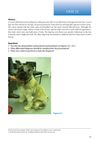
research Case 22
The dog had sebaceous adenitis, treated with ciclosporin, leading to some hair regrowth.
research Fit for a dog? The latest science on CBD for pets
CBD might help pets with pain, itching, and seizures, but results are mixed and more research is needed.
research A second KRT71 allele in curly coated dogs
A new gene variant causes curly coats in some dog breeds.
research Effects of Omega-3 polyunsaturated fatty acids on skin health, hair quality, and feeding behavior in adult Bichon Frises
600 mg/kg Omega-3 improves skin, hair, feeding, and metabolic health in Bichon Frises.
research Clinical Trial of Finasteride on Alopecia X in a Dog
research Heterozygous deletion of the NSDHL gene in an Appenzeller Mountain Dog with verrucous epidermal keratinocytic nevi
A genetic defect in an Appenzeller Mountain Dog caused skin issues, improved with ketoconazole, showing the importance of advanced genetic testing.
research Avaliação in vitro da segurança e eficácia de nutracêutico à base de alecrim para a pele de cães
The nutraceutical with rosemary may reduce inflammation in dog skin.
research ANAPLASMOSIS IN KINTAMANI CROSSBREED DOG: A CASE REPORT
The dog's health improved after treatment with antibiotics and other medications.
research DEMODICOSIS ACCOMPANIED BY ANCYLOSTOMIASIS AND TOXOCARIASIS IN DOMESTIC DOG
Oreo the dog got better from skin and worm infections after treatment and cleaner living conditions.
research Disposition and metabolism of finasteride in dogs.
research SEBACEOUS ADENITIS IN AKITA DOG – CASE REPORT
A 5-year-old Akita with a rare skin condition improved significantly after treatment.
research Genomic prediction and genome-wide association studies of morphological traits and distraction index in Korean Sapsaree dogs
Genomic prediction can improve breeding strategies for Korean Sapsaree dogs.
research Hair of the Dog: Identification of a Cis-Regulatory Module Predicted to Influence Canine Coat Composition
Researchers found a genetic region that influences the number of coat layers in dogs.

research Cyclosporin A: a new drug in the field of canine dermatology
Cyclosporin is effective in treating dog skin diseases and has fewer side effects compared to other treatments.
research FUNGAL DERMATITIS INFECTION OF MALASSEZIA SPP. IN MIXED BREED DOG
A mixed breed dog with skin issues improved significantly after treatment and needs to avoid dampness and certain bath products to prevent it from coming back.
research Evaluation of phenotypic risk indicators for the development of alopecia X (hair cycle arrest) in Pomeranian dogs in the Netherlands and Belgium
Male Pomeranians with woolly coats are more likely to develop alopecia X.
research Chromosomal localization of acidic and basic keratin genes of the domestic dog
Acidic keratin genes are on CFA9 and basic keratin genes are on CFA27 in dogs.
research Diagnosis and management of pemphigus foliaceus in a dog
The dog recovered successfully after treatment with multiple medications.
research PNEUMONIA AND DEMODICOSIS IN CROSSBREED POMERANIAN
The Pomeranian recovered well after treatment for pneumonia and demodecosis.
research ROLE OF THE TRANSCRIPTION FACTOR SOX9 IN THE TUMORIGENESIS OF SOME DOMESTIC ANIMALS NEOPLASMS
Sox9 is important in the development of tumors in domestic animals.