 October 2021 in “Journal of Investigative Dermatology”
 Dkk4 protein is necessary for the proper development and arrangement of hair follicles.
3 citations
,
April 2024 in “JAAD Case Reports” DPCP may be safe for treating alopecia during pregnancy, but more research is needed.
 June 2024 in “British Journal of Dermatology”
 KRT14 gene variants cause dermatopathia pigmentosa reticularis, affecting nails, teeth, and hair.
 July 2022 in “Journal of Investigative Dermatology”
 Dkk4 is necessary for the initial development and arrangement of hair follicles.
July 2026 in “Journal of Investigative Dermatology” 36 citations
,
May 2005 in “BMC dermatology” DPCP is effective for treating severe alopecia areata, but relapse is common.
 December 2025 in “International Journal of Research in Dermatology”
 Keratosis pilaris is common in young females, and dermoscopy helps diagnose it accurately.
May 2020 in “Business Innovation & Entrepreneurship Journal” PASIKULA, a turmeric-based hair removal product, successfully sold well and boosted turmeric's economic value.
11 citations
,
January 2009 in “Indian journal of dermatology, venereology, and leprology” DCPA is a chronic skin condition affecting the lower limbs, mainly in men, with unclear causes and treatments that often don't work well.
December 2004 in “Annales d Urologie” Finasteride may reduce prostate cancer risk.
 September 2024 in “Cermin Dunia Kedokteran”
 Improving medical training is key to eradicating frambusia by 2030.
37 citations
,
February 2007 in “Experimental Dermatology” Increasing PDCD4 protein may help prevent or treat some skin cancers.
22 citations
,
March 1999 in “International Journal of Clinical Practice” Diphencyprone (DCP) is an effective treatment for severe alopecia areata and resistant warts, with some risks.
 171 citations
,
July 2007 in “Journal of Investigative Dermatology”
171 citations
,
July 2007 in “Journal of Investigative Dermatology” A substance called DKK-1 increases in balding areas and causes hair cells to die when exposed to DHT.
 92 citations
,
January 2012 in “International Journal of Biological Sciences”
92 citations
,
January 2012 in “International Journal of Biological Sciences” The document introduced a new naming system for keratin-associated proteins to improve clarity and communication across species.
65 citations
,
February 2011 in “Molecular cancer therapeutics” CCT128930 is a promising new drug that effectively targets and inhibits a cancer-related protein, showing potential for cancer treatment.
1 citations
,
August 2024 in “Skin Health and Disease” Topical immunotherapy with DPCP led to some hair regrowth in most pediatric alopecia areata patients, especially those with milder cases and longer treatment.
July 2024 in “Journal of Investigative Dermatology” DS-2325a is safe and well-tolerated, supporting further development for Netherton Syndrome treatment.
 5 citations
,
June 2012 in “The journal of investigative dermatology/Journal of investigative dermatology”
5 citations
,
June 2012 in “The journal of investigative dermatology/Journal of investigative dermatology” Putting thymidine dinucleotide on newborn mice's skin can delay and reduce skin cancer.
4 citations
,
April 2019 in “JAAD Case Reports” DPR can cause skin, hair, and nail issues, sometimes appearing later in life.
 January 1999 in “Journal of the European Academy of Dermatology and Venereology”
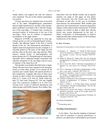
 RAPK is a rare skin disorder with pigmented spots, mainly on hands and feet, starting in youth.
May 2024 in “Journal of the Egyptian Womenʼs Dermatologic Society” Diphenylcyclopropenone is effective and safe for treating severe alopecia areata in children, with maintenance therapy reducing relapse risk.
9 citations
,
July 2022 in “Journal of Biological Chemistry” WWP2 is crucial for tooth development in mice.
16 citations
,
April 2000 in “Contact dermatitis” A man developed severe skin reactions after using a treatment for hair loss.
117 citations
,
April 2008 in “Developmental biology” Ectodysplasin inhibits Wnt signaling to help form hair follicles.
10 citations
,
June 2019 in “Dermatologic therapy” DPCP alone is more effective and safer for treating chronic extensive alopecia areata than combining it with anthralin.
14 citations
,
August 2014 in “Journal of the American Academy of Dermatology” Diphenylcyclopropenone (DPCP) is effective in treating alopecia areata, with most patients showing significant hair regrowth.
 April 2023 in “Cancer research”
 KRTAP2-3 could help predict cancer recurrence by identifying specific cancer cells.
 April 2016 in “Journal of Investigative Dermatology”
 A peptide known for reducing wrinkles also effectively inhibits an enzyme linked to skin inflammation and acne.
4 citations
,
April 2012 in “The journal of investigative dermatology/Journal of investigative dermatology” Krt16-deficient mice help understand skin disorders like PC and FNEPPK.