3 citations
,
June 2019 in “Veterinary record case reports” A dog developed a skin condition called pemphigus foliaceus after taking NexGard, but got better with treatment.
 November 2023 in “International surgery journal”
 A man's neck lump was a trichilemmal cyst, not cancer, and should be fully removed due to rare risk of becoming malignant.
3 citations
,
December 2003 in “Archives of Pathology & Laboratory Medicine” The nodule was a benign cutaneous lymphadenoma, not cancer, and was successfully removed.
3 citations
,
January 2002 in “Pediatric Drugs” Tinea capitis is a common scalp infection in children, treated with antifungal medications like griseofulvin, terbinafine, and fluconazole.
January 2022 in “Clinical Cases in Dermatology” A 47-year-old man was diagnosed with a specific type of hair loss and advised to use certain medications and avoid hair transplants.
 November 2024 in “International Journal of Dermatology”
 LC-OCT is a useful noninvasive tool for diagnosing and monitoring alopecia areata.
 1 citations
,
March 2024 in “Ophthalmic Plastic and Reconstructive Surgery”
1 citations
,
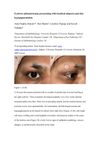
March 2024 in “Ophthalmic Plastic and Reconstructive Surgery” A pilomatrixoma in the eyebrow can cause hair loss and skin lightening.
3 citations
,
January 2020 in “Acta veterinaria indonesiana” The cat with ringworm got better after being treated with oral and topical medications for 35 days.
2 citations
,
July 2011 in “International Journal of Dermatology” EPF can occur without visible pustules.
1 citations
,
January 2008 in “SKINmed Dermatology for the Clinician” Treatment with prednisolone and dapsone stopped new blisters and partially healed previous ones.
3 citations
,
March 2022 in “Chinese Journal of Plastic and Reconstructive Surgery” Androgens may contribute to keloid development, and hormone-targeting treatments could help.
February 2013 in “Journal of the American Academy of Dermatology” 
Scarring alopecia, a type of hair loss, is most common in females under 35, often caused by discoid lupus erythematosus and pseudopelade of Brocq. Skin punch biopsy and histopathology are key to identifying its cause.
7 citations
,
January 2012 in “International Journal of Trichology” Sudden, unusual hair loss may indicate serious underlying health issues.
 48 citations
,
January 2011 in “International journal of trichology”
48 citations
,
January 2011 in “International journal of trichology” Intralesional triamcinolone acetonide is the most effective treatment for localized alopecia areata.
 23 citations
,
April 2018 in “Journal der Deutschen Dermatologischen Gesellschaft”
23 citations
,
April 2018 in “Journal der Deutschen Dermatologischen Gesellschaft” Permanent hair loss from cicatricial alopecia is treated by reducing inflammation and managing symptoms, but regrowth in scarred areas is unlikely.
 1 citations
,
October 2023 in “Journal of the Pakistan Medical Association”
1 citations
,
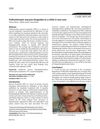
October 2023 in “Journal of the Pakistan Medical Association” Folliculotropic mycosis fungoides can occur in children and is diagnosed with specific tests, but often stays in early stages with treatment.
December 2020 in “Forum Dermatologicum” Intralesional triamcinolone acetonide can effectively limit the progression of GLPLS.
1 citations
,
December 2022 in “Skin Appendage Disorders” Recognizing trichofolliculomas is important to avoid unnecessary surgery.
17 citations
,
January 2014 in “Journal of Oral and Maxillofacial Pathology” Seborrheic keratosis is a common, harmless skin growth that can look like cancer, so it may need a biopsy.
February 2016 in “Journal of Allergy and Clinical Immunology” Consider DRIF and perform skin biopsies for persistent papular rashes.
The chapter concludes that certain skin diseases in bovines cause symmetrical, non-painful lesions and temporary hair loss due to stress.
 April 2016 in “Journal of The American Academy of Dermatology”
 Finasteride effectively treated hidradenitis suppurativa.
 1 citations
,
January 2009
1 citations
,
January 2009 A 25-year-old Malay fireman had skin bumps on his neck that were removed successfully after other treatments failed.
3 citations
,
January 2018 Bacterial skin diseases in camelids are often caused by moisture, trauma, and infections.
 April 2018 in “Journal of Investigative Dermatology”
 Macrophages are more involved in Lichen planopilaris than in Frontal fibrosing alopecia.
 32 citations
,
August 2003 in “Journal of the American Academy of Dermatology”
32 citations
,
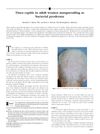
August 2003 in “Journal of the American Academy of Dermatology” Tinea capitis can be misdiagnosed as bacterial infection in adult women but is treatable with antifungal medication.
 5 citations
,
May 1999 in “Dermatologic Surgery”
5 citations
,
May 1999 in “Dermatologic Surgery” Lasers can effectively treat pseudofolliculitis barbae, but insurance often doesn't cover it, possibly due to racial bias.
 April 1963 in “Archives of Dermatology”
 Dermatological conditions are complex and treatments often have mixed results.
October 2021 in “European Journal of Dermatology” CAL-PDT is safer and more effective for treating actinic keratosis on the scalp.