 January 2024 in “International Journal of Dermatology Research”
 PRP is more effective than triamcinolone for treating alopecia areata.
Fire needle therapy's benefits and safety for alopecia areata need more evidence.
 January 2025 in “ACS Materials Letters”
 The hydrogel system improves healing in infected burn wounds by reducing inflammation and promoting tissue repair.
 April 2018 in “Journal of Investigative Dermatology”
  December 2015 in “Journal of skin and stem cell”
 Using a gel called Diclofenac can potentially cause hair to grow back in bald spots in older men.
 3 citations
,
May 2011 in “Journal of the American Academy of Dermatology”
3 citations
,
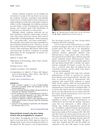
May 2011 in “Journal of the American Academy of Dermatology” A woman's excessive hair growth around a leg ulcer was linked to a treatment with Prostaglandin E1 ointment.
 April 2017 in “Journal of Dermatological Science”
 Benzoyl peroxide and adapalene gels work differently to reduce acne in mice.
10 citations
,
June 2023 in “Preprints.org” Hydrogel-forming microneedles are a safe and effective method for delivering drugs through the skin.
262 citations
,
May 2020 in “Advanced Functional Materials” The hydrogel promotes faster healing of infected wounds by enhancing tissue regeneration and preventing infection.
 April 2021 in “Journal of Cosmetic Dermatology”
 The May 2021 issue of the Journal of Cosmetic Dermatology suggests injectables are becoming more reliable and may reduce the need for cosmetic surgery.
 24 citations
,
January 2018 in “Journal of Visualized Experiments”
24 citations
,
January 2018 in “Journal of Visualized Experiments” PRP injections effectively promote hair growth in androgenetic alopecia patients.
 January 2007 in “Journal of The American Academy of Dermatology”
 Post-steroid panniculitis is now rare because doctors taper steroids more carefully.
89 citations
,
August 2018 in “JAMA Dermatology” Contact immunotherapy can improve hair regrowth in alopecia areata patients.
1 citations
,
June 2025 in “Therapeutic Delivery” Gas-propelled microneedles can improve drug delivery efficiency and precision.
 6 citations
,
July 2015 in “Australasian Journal of Dermatology”
6 citations
,
July 2015 in “Australasian Journal of Dermatology” A man developed an allergic skin reaction after using brimonidine for rosacea.
13 citations
,
January 2018 in “International Journal of Trichology” Intralesional triamcinolone injections can effectively stop frontal fibrosing alopecia with minimal side effects.
 5 citations
,
July 2020 in “Journal of the American Academy of Dermatology”
5 citations
,
July 2020 in “Journal of the American Academy of Dermatology” Adding antihistamines to topical corticosteroid and cryotherapy may improve hair regrowth in alopecia areata patients.
107 citations
,
July 1991 in “Journal of Allergy and Clinical Immunology”  January 2015 in “Journal of evolution of medical and dental sciences”
 Topical tacrolimus is effective and safe for treating alopecia areata.
 August 2020 in “Revista de chimie”
 Nitroglycerin ointment is now used to treat several skin conditions with fewer side effects.
9 citations
,
January 2019 in “International Journal of Trichology” Combining calcipotriol with mometasone is more effective for treating alopecia areata than using mometasone alone.
June 2022 in “Zenodo (CERN European Organization for Nuclear Research)” Microneedles offer a painless way to deliver drugs effectively but need more research before they can be widely used.
 11 citations
,
June 2023 in “Drug Delivery and Translational Research”
11 citations
,
June 2023 in “Drug Delivery and Translational Research” The gel with apocynin-loaded nanoparticles shows promise for treating rheumatoid arthritis.
2 citations
,
August 2023 in “Aesthetic Surgery Journal” RHA fillers are effective and safe for treating nasolabial folds in people of color.
October 2018 in “Annals of Reviews & Research” The new gel provides faster and longer-lasting pain relief than the cream.
January 2006 in “Chinese Journal of Dermatology” Latanoprost helps pig hair follicles grow faster by keeping them in the growth phase longer.
 November 2024 in “Journal of Drugs in Dermatology”
 Injectable minoxidil is a promising, effective treatment for hair loss.
51 citations
,
August 2010 in “British journal of dermatology/British journal of dermatology, Supplement” Intralesional triamcinolone acetonide helps regrow eyebrows in patients with frontal fibrosing alopecia.
4 citations
,
October 2013 in “Botanics Targets and Therapy” The herbal preparation may help manage alopecia by reducing inflammation and boosting the immune response.
 October 2025 in “Journal of Molecular Structure”
 Hyaluronic acid microneedles help deliver minoxidil derivatives effectively for hair regrowth.