 41 citations
,
September 2011 in “Journal of Ethnopharmacology”
41 citations
,
September 2011 in “Journal of Ethnopharmacology” Panax ginseng extract helps mice grow hair.
 15 citations
,
August 2017 in “International Journal of Molecular Medicine”
15 citations
,
August 2017 in “International Journal of Molecular Medicine” Panax ginseng extract may help prevent hair loss caused by DKK-1.
 8 citations
,
November 2015 in “Saudi Journal of Biological Sciences”
8 citations
,
November 2015 in “Saudi Journal of Biological Sciences” A mix of Panax ginseng and bee-pollen may help prevent prostate enlargement in rats.
 January 2020 in “JoLS Journal of Life Sciences”
 Red onion and Angelica gigas extracts promote hair growth and improve hair health.
 2 citations
,
March 2014 in “Journal of Korean Medicine”
2 citations
,
March 2014 in “Journal of Korean Medicine” Standardized rules are needed for consistent Romanized prescription names in Korean Traditional Medicine.
 7 citations
,
January 2015 in “Evidence-based Complementary and Alternative Medicine”
7 citations
,
January 2015 in “Evidence-based Complementary and Alternative Medicine” The review suggests renaming two herbs to avoid confusion and recommends more research for safe use.
 April 2018 in “Journal of Investigative Dermatology”
 Ginsenoside Rd may help improve skin aging by increasing collagen in the skin.
17 citations
,
October 2023 in “Molecules” Plant-derived PDRN from ginseng roots effectively heals skin and improves its barrier.
13 citations
,
August 2020 in “Nutrients” Ginseng extracts protect brain cells and reduce damage in diabetic rats.
 June 2026 in “International Journal of Molecular Sciences”
 Black Ginseng Concentrate may help treat hair loss by improving cell function and reducing stress.
 January 2020 in “Jurnal Penelitian Perawat Profesional”
 Panax Ginseng may help prevent hair loss.
22 citations
,
September 1998 in “PubMed” Panax ginseng helps prevent hair follicle cell death and speeds up hair cell recovery after radiation in mice.
 64 citations
,
June 2020 in “PLoS ONE”
64 citations
,
June 2020 in “PLoS ONE” Red light boosts beneficial compounds in Eclipta alba cultures.
 6 citations
,
January 2021 in “Annals of Dermatology”
6 citations
,
January 2021 in “Annals of Dermatology” 650 nm red light helps hair grow and prevents hair loss by affecting certain genes and biological processes.
January 2026 in “Industrial Crops and Products” Ginsenoside Rf from Panax ginseng promotes hair growth and could be a natural alternative for treating hair loss.
 8 citations
,
January 2014 in “BioMed Research International”
8 citations
,
January 2014 in “BioMed Research International” Eclipta alba extract was found to be effective in promoting hair growth in hairless mice.
 4 citations
,
June 2021 in “Journal of Microbiology and Biotechnology”
4 citations
,
June 2021 in “Journal of Microbiology and Biotechnology” Ginsenoside Rg4 from ginseng may help hair growth by activating certain cell signals.
 November 2024 in “Fermentation”
 Fermented ginsenosides from kimchi bacteria may promote hair growth better than finasteride.
 4 citations
,
May 2019 in “Zeitschrift für Naturforschung C”
4 citations
,
May 2019 in “Zeitschrift für Naturforschung C” Ishige sinicola extract helps bone-building cells grow and mature, which could aid in treating osteoporosis.
 26 citations
,
March 2018 in “Dermatology and Therapy”
26 citations
,
March 2018 in “Dermatology and Therapy” EPC-CM can reduce skin aging signs by boosting the skin's defense system.
 8 citations
,
June 2019 in “Journal of Ginseng Research”
8 citations
,
June 2019 in “Journal of Ginseng Research” Gintonin-enriched fraction promotes hair growth and could be a potential alopecia treatment.
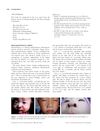 4 citations
,
December 2013 in “International Journal of Dermatology”
4 citations
,
December 2013 in “International Journal of Dermatology” Three children with nasal fungal infections were successfully treated with potassium iodide and sometimes itraconazole.
3 citations
,
June 2017 in “Journal of Physiology & Pathology in Korean Medicine” Puerariae Radix extract may help hair growth by increasing cell activity.
 122 citations
,
May 2010 in “Plant Physiology”
122 citations
,
May 2010 in “Plant Physiology” Different PIN proteins affect plant root hair growth by changing how auxin is transported.
 9 citations
,
June 2020 in “Tissue Engineering and Regenerative Medicine”
9 citations
,
June 2020 in “Tissue Engineering and Regenerative Medicine” HHORSC exosomes and PL improve hair growth treatment outcomes.
 March 2013 in “Molecular & Cellular Toxicology/Molecular & cellular toxicology”
 m-Aminophenol in hair dye can cause skin cell toxicity and stress responses.
 13 citations
,
March 2021 in “British Journal of Pharmacology”
13 citations
,
March 2021 in “British Journal of Pharmacology” KY19382 helps regrow hair and create new hair follicles.
 3 citations
,
April 2016 in “Food Science and Biotechnology”
3 citations
,
April 2016 in “Food Science and Biotechnology” Oriental melon leaf extract may help hair grow and keep it in the growing phase longer.
 14 citations
,
July 2021 in “Biomolecules”
14 citations
,
July 2021 in “Biomolecules” Centipeda minima extract helps hair grow by activating important growth signals and could be a promising hair loss treatment.
 2 citations
,
April 2018 in “Journal of Investigative Dermatology”
2 citations
,
April 2018 in “Journal of Investigative Dermatology” Frontal fibrosing alopecia shows increased inflammation and JAK-STAT pathway activity without reduced hair proteins.