 2 citations
,
January 2014 in “The Korean journal of medicine”
2 citations
,
January 2014 in “The Korean journal of medicine” The 2012 SLICC criteria provide an updated method for classifying Systemic Lupus Erythematosus.
7 citations
,
July 2022 in “Quality of Life Research” 80% scalp hair regrowth is a successful treatment for alopecia areata.
 3 citations
,
November 2023 in “Journal of Computer Science and Engineering (JCSE)”
3 citations
,
November 2023 in “Journal of Computer Science and Engineering (JCSE)” The method accurately detects diabetes with 94% effectiveness, reducing misdiagnosis risk.
 6 citations
,
December 2018 in “Australasian Journal of Dermatology”
6 citations
,
December 2018 in “Australasian Journal of Dermatology” The Trichoscopy Derived Sinclair Scale offers a more accurate and reliable way to measure hair loss severity than the traditional visual method.
 32 citations
,
September 2015 in “Dermatology”
32 citations
,
September 2015 in “Dermatology” Certain leukemia drugs can cause severe skin reactions that may require stopping treatment.
 28 citations
,
November 2020 in “Fluid Phase Equilibria”
28 citations
,
November 2020 in “Fluid Phase Equilibria” Minoxidil dissolves better in propylene glycol + water than in supercritical CO2.
 3 citations
,
May 2002 in “Therapeutische Umschau”
3 citations
,
May 2002 in “Therapeutische Umschau” The document concluded that cyproterone acetate and minoxidil are effective for female hair loss, and a supportive doctor-patient relationship is important.
 1 citations
,
November 2019 in “Actas Dermo-Sifiliográficas”
1 citations
,
November 2019 in “Actas Dermo-Sifiliográficas” The Spanish Hair-Specific Skindex-29 questionnaire effectively measures the quality of life impact of hair loss in Spanish-speaking women.
 January 2025 in “SKIN The Journal of Cutaneous Medicine”
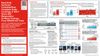
 Baricitinib significantly regrows hair in severe alopecia areata patients.
5 citations
,
February 2023 in “Skin Health and Disease” The Swedish Hairdex-S is a reliable tool for assessing quality of life in Alopecia Areata patients.
Baricitinib therapy helped many patients with severe alopecia regrow hair after 52 weeks.
 September 2015 in “Dermatologic Surgery”
 Computer-aided imaging system accurately measures baldness in Chinese women with hair loss.
 2 citations
,
April 2025 in “Dermatology and Therapy”
2 citations
,
April 2025 in “Dermatology and Therapy” Alopecia areata affects quality of life more in adolescents than adults.
 1 citations
,
April 2022 in “Dermatologic Surgery”
1 citations
,
April 2022 in “Dermatologic Surgery” The Progressive Loss Risk Scale is a system that shows the long-term risks of hair restoration surgery, which can change based on factors like age and transplant area.
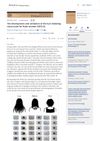 October 2023 in “The Journal of Dermatology”
 The HSVS-A is an effective tool for quickly screening hair shedding in Asian women.
2 citations
,
September 2024 in “Diagnostics” A new method accurately measures cell changes in breast cancer.
 17 citations
,
July 2017 in “International Journal of Behavioral Medicine”
17 citations
,
July 2017 in “International Journal of Behavioral Medicine” The Egyptian Arabic Skindex-16 is a reliable way to measure how skin diseases affect quality of life in Egyptian patients.
April 2016 in “The journal of investigative dermatology/Journal of investigative dermatology” The ALADIN score can predict how well patients with alopecia areata will respond to JAK inhibitor treatments.
 March 2025 in “SKIN The Journal of Cutaneous Medicine”
 Certain patient characteristics can help predict hair regrowth success with ritlecitinib in alopecia areata.
June 2024 in “British Journal of Dermatology” DLQI is a reasonable quality-of-life measure for alopecia patients, but more research is needed.
 13 citations
,
September 2018 in “Journal of the American Academy of Dermatology”
13 citations
,
September 2018 in “Journal of the American Academy of Dermatology” The document concludes that a new system using the SALT score should replace the current alopecia areata classification for better accuracy in assessing severity and prognosis.
5 citations
,
May 2001 in “Proceedings of SPIE, the International Society for Optical Engineering/Proceedings of SPIE” The DWLSM provides detailed imaging of hair shafts and follicles with high accuracy.
8 citations
,
August 2024 in “Clinical and Experimental Dermatology” A comprehensive scoring system for alopecia areata severity is needed.
 1 citations
,
January 2019 in “PubMed”
1 citations
,
January 2019 in “PubMed” Baldness score can't be used to predict prostate size.
19 citations
,
July 2019 in “Journal of Cosmetic Dermatology” A new tool can predict hair regrowth in patchy alopecia areata patients.
 7 citations
,
March 2025 in “Archives of Dermatological Research”
7 citations
,
March 2025 in “Archives of Dermatological Research” Trichoscopy helps better understand and manage alopecia areata, improving patient outcomes.
 November 2025 in “Frontiers in Medicine”
 The SAALIQ is a reliable tool for measuring the impact of alopecia areata on Spanish-speaking patients' quality of life.
1 citations
,
January 2026 in “JDDG Journal der Deutschen Dermatologischen Gesellschaft” LC-OCT can help diagnose different types of scarring alopecia.
25 citations
,
June 2009 in “British Journal of Dermatology” Early scar classification in lupus can improve treatment and patient outcomes.
 9 citations
,
January 2014 in “Postepy Dermatologii I Alergologii”
9 citations
,
January 2014 in “Postepy Dermatologii I Alergologii” The Polish Skindex-29 is a reliable and valid questionnaire for assessing the quality of life in Polish dermatology patients.