1 citations
,
October 2024 in “Medicina” CLEC4D gene variants may increase the risk of alopecia areata in Jordanians.
 April 2024 in “Research Square (Research Square)”
 A 27-year-old with APS-1 showed improvement in symptoms after treatment.
 6 citations
,
January 2014 in “Clinical hemorheology and microcirculation”
6 citations
,
January 2014 in “Clinical hemorheology and microcirculation” Hereditary elliptocytosis causes elongated red blood cells and can lead to mild or no symptoms.
 18 citations
,
August 2012 in “Cutaneous and Ocular Toxicology”
18 citations
,
August 2012 in “Cutaneous and Ocular Toxicology” People with alopecia areata have higher insulin resistance.
December 2025 in “Egyptian Journal of Basic and Applied Sciences” JAK1 gene variation may increase alopecia areata risk.
 30 citations
,
December 2001 in “Experimental dermatology”
30 citations
,
December 2001 in “Experimental dermatology” Gonadal hormones significantly affect the severity of alopecia areata in mice.
June 2026 in “Indian Dermatology Online Journal” Alopecia areata may involve systemic issues like blood clotting and inflammation, not just hair loss.
35 citations
,
December 2014 in “Clinical and experimental dermatology” Oxidative stress may play a role in causing alopecia areata.
July 2024 in “Journal of Investigative Dermatology” IL-27 may help prevent hair loss in alopecia areata by promoting immunosuppressive T cells.
3 citations
,
September 2021 in “JAAD case reports” Denosumab, a bone loss treatment, may cause hair loss and skin reactions due to immune system effects.
 4 citations
,
April 2016 in “Journal of The American Academy of Dermatology”
4 citations
,
April 2016 in “Journal of The American Academy of Dermatology” A patient with advanced kidney cancer and no hepatitis C developed skin inflammation due to a drug called interferon alpha-2a.
 September 1997 in “JEADV. Journal of the European Academy of Dermatology and Venereology/Journal of the European Academy of Dermatology and Venereology”
 Alopecia patients have a less active liver monoxygenase system, which can be treated with photochemotherapy and system inducers.
54 citations
,
January 1986 in “Medical clinics of North America/The Medical clinics of North America” Skin conditions in multiple myeloma patients vary with the timing of bone marrow transplants.
 7 citations
,
January 2018 in “Neurodegenerative Diseases”
7 citations
,
January 2018 in “Neurodegenerative Diseases” Researchers found a new ABCD1 gene mutation linked to a rare brain and nerve disorder with unusual brain changes.
2 citations
,
September 1993 in “PubMed” Levothyroxine treatment fully cured the young man's hypothyroid symptoms.
June 2025 in “Journal of Kufa for Chemical Sciences” Higher adrenaline and prolactin levels may indicate stress-related alopecia areata in adults.
 19 citations
,
December 2006 in “Archives of dermatology”
19 citations
,
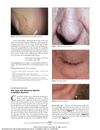
December 2006 in “Archives of dermatology” Hair casts and cutaneous spicules can be signs of multiple myeloma.
10 citations
,
January 2003 in “Dermatology” The E413K mutation in the hHb6 gene causes monilethrix, a hair disorder, but doesn't show consistent symptoms.
 November 2025 in “Clinical Cosmetic and Investigational Dermatology”
 LIPH mutations cause woolly hair in some Chinese people.
3 citations
,
January 2016 in “Dermatology online journal” Some people with lichen planus pigmentosus might later develop frontal fibrosing alopecia.
5 citations
,
March 2020 in “Thoracic Cancer” CT-707 is effective and safe for treating certain Chinese lung cancer patients.
 62 citations
,
June 2015 in “The Journal of Dermatology”
62 citations
,
June 2015 in “The Journal of Dermatology” People with alopecia areata have more Th17 cells and fewer Treg cells, which may be key to the condition's development.
 April 2017 in “Medicina Clínica (english Edition)”
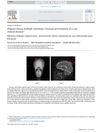
 A woman with a rare form of multiple myeloma had a headache and a skull mass, which led to her diagnosis after tests and a biopsy.
October 2025 in “Journal of the Endocrine Society” Combining medication and minimally invasive techniques can effectively manage Marine-Lenhart syndrome.
May 2019 in “Journal of Evidence Based Medicine and Healthcare” Alopecia Areata is often linked to other health issues like allergies, thyroid problems, and diabetes.
61 citations
,
June 2010 in “Journal of the European Academy of Dermatology and Venereology” Anti-TNF-α therapy may increase the risk of developing alopecia areata, especially in those with a history of autoimmune disease.
SH-SY5Y cell lysate is effective for diagnosing Satoyoshi syndrome.
 June 2023 in “Medeniyet medical journal”
 People with alopecia areata have similar retinal structures but thicker choroidal regions compared to those without the condition.
February 2026 in “Journal of Allergy and Clinical Immunology” Alopecia areata involves immune system issues and specific cell types that disrupt hair growth, leading to hair loss.
 November 2024 in “Benha Journal of Applied Sciences”
 Reduced alpha smooth muscle actin may cause hair loss in androgenetic alopecia.