 60 citations
,
February 1997 in “Journal of Dermatological Science”
60 citations
,
February 1997 in “Journal of Dermatological Science” Liposomes can safely and effectively deliver substances to mouse hair follicles, potentially useful for human hair treatments.
 1 citations
,
March 1994 in “Proceedings of the British Society of Animal Production”
1 citations
,
March 1994 in “Proceedings of the British Society of Animal Production” Prolactin and melatonin affect the growth of Angora and Cashmere goat hair differently.
 April 2023 in “Journal of Investigative Dermatology”
 Being allergic to linalool, a common fragrance ingredient, might contribute to developing frontal fibrosing alopecia.
 6 citations
,
January 2013 in “Experimental dermatology”
6 citations
,
January 2013 in “Experimental dermatology” Bimatoprost increases hair growth in mice without breaking down into other substances.
9 citations
,
February 2023 in “Genes” lncRNAs influence cashmere fiber traits like diameter and color in goats.
2 citations
,
December 1954 in “Experimental Biology and Medicine” Fluid loss through rat skin is minimal when inactive but increases with skin activity and hair growth.
16 citations
,
January 2021 in “BMC Genomics” Higher hair follicle density leads to more wool in rabbits, influenced by specific genes and lncRNAs.
14 citations
,
August 2021 in “Journal of Pharmaceutical Sciences” Cholesterol- and phospholipid-free niosomes improve deep skin drug delivery.
July 2024 in “LA Referencia (Red Federada de Repositorios Institucionales de Publicaciones Científicas)” Adipose tissue and eccrine gland displacement are common in certain alopecias but don't help differentiate between them.
 April 2025 in “Natural Product Communications”
 Angelica sinensis and Ligusticum sinense essential oils promote hair growth safely.
 July 2023 in “Frontiers in veterinary science”
 Certain long non-coding RNAs are important for controlling hair growth cycles in sheep.
Tan sheep's unique fur traits are determined during the embryonic stage by specific genes.
13 citations
,
September 2012 in “Cell & tissue research/Cell and tissue research” pCLCA2 protein may help maintain skin structure and function.
 April 2012 in “Informa Healthcare eBooks”
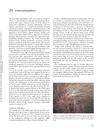
 Lichen planopilaris is a rare, chronic condition causing hair loss, mainly in middle-aged women, and early treatment is important to prevent permanent baldness.
4 citations
,
April 2022 in “Animals” Outdoor living and omega-3 supplements improve rabbit fur quality.
24 citations
,
May 2022 in “BMC Veterinary Research” lncRNAs play a key role in hair follicle development, affecting cashmere quality and yield.
46 citations
,
March 2009 in “Die Pharmazie” Minoxidil-loaded nanostructured lipid carriers are effective for topical use.
9 citations
,
October 1989 in “Australian Journal of Agricultural Research” Mouse epidermal growth factor temporarily stops wool growth and causes cell changes in Merino sheep.
 1 citations
,
October 2022 in “PubMed”
1 citations
,
October 2022 in “PubMed” Gender affects wool traits in sheep, with males and females showing differences in skin proteins related to wool growth.
37 citations
,
November 2019 in “Journal of Microbiology and Biotechnology” Loliolide can boost hair growth by activating specific cell pathways.
 April 2025 in “Ukrainian Journal of Veterinary and Agricultural Sciences”
 Adding a water-soluble fatty acid complex to sheep diets improves wool growth by increasing primary hair follicle size and density.
48 citations
,
February 2010 in “Molecular biology reports” KAP7.1 and KAP8.2 genes are crucial for cashmere quality in goats.
31 citations
,
July 2012 in “Journal of Lipid Research” ACBP is crucial for healthy skin in mice.
6 citations
,
November 1960 in “Experimental Biology and Medicine” Hair growth stages don't significantly change lipid content in mouse skin.
 February 2025 in “BMC Veterinary Research”
 Keratin proteins are crucial for hair growth in cashmere goats.
39 citations
,
January 2020 in “Scientific Reports” Four circRNAs were found to be significantly different in cashmere goat skin, affecting cashmere fineness.
 January 2021 in “Research Square (Research Square)”
 Rabbits with high wool production have more hair follicles, influenced by specific long noncoding RNAs.
 9 citations
,
May 2020 in “Journal of Pharmaceutical and Biomedical Analysis”
9 citations
,
May 2020 in “Journal of Pharmaceutical and Biomedical Analysis” Method measures latanoprost and minoxidil in skin accurately and precisely.
21 citations
,
November 1980 in “PubMed” A new mite species was found in California sea lions, causing skin issues.
1 citations
,
March 2006 in “Journal of Cosmetic Dermatology” The woman's forehead lesion was caused by ointment use and resolved with treatment.