 March 2024 in “Biomedical reports”
 Isoflavone may help manage PCOS symptoms, but its effectiveness is uncertain.
 50 citations
,
August 1985 in “Journal of steroid biochemistry/Journal of Steroid Biochemistry”
50 citations
,
August 1985 in “Journal of steroid biochemistry/Journal of Steroid Biochemistry” Spironolactone reduces the enzyme activity that converts testosterone to DHT, helping treat excessive hair growth in women.
 August 2024 in “Journal of Personalized Medicine”
 Tamsulosin increases the risk of floppy iris during eye surgery.
January 2012 in “Chinese Clinical Oncology” Disodium folinate can safely and effectively replace calcium folinate in colorectal cancer treatment.
 September 2023 in “Journal of Cosmetic Dermatology”
 Finasteride was more effective than hydroxychloroquine in treating frontal fibrosing alopecia.
 41 citations
,
March 2007 in “Steroids”
41 citations
,
March 2007 in “Steroids” New methods to make oxasteroids show promise for medical treatments like osteoporosis and breast cancer.
January 2004 in “Indian Journal of Nephrology”  September 2010 in “Institutional Repositories DataBase (IRDB)”
 Sorafenib can cause a temporary skin condition that goes away after stopping the drug.
December 2025 in “Microscopy and Microanalysis” Lycopene protects against testicular damage caused by finasteride.
2 citations
,
August 2017 in “Drug and therapeutics bulletin” Strontium ranelate is no longer available for treatment.
May 2008 in “10th European Congress of Endocrinology”  April 2016 in “Journal of Investigative Dermatology”
 FOL-005, a new substance, was found to reduce hair growth without toxicity when injected into skin, suggesting it could be used to treat excessive hair growth.
 9 citations
,
August 2014 in “Journal of The American Academy of Dermatology”
9 citations
,
August 2014 in “Journal of The American Academy of Dermatology” Hormonal imbalances may play a role in frontal fibrosing alopecia, and antiandrogenic drugs combined with steroids are currently the most effective treatment.
1 citations
,
January 2024 in “Arab Board Medical Journal” Tofacitinib effectively regrows hair in alopecia areata patients, especially in younger individuals, with manageable side effects.
 July 2025 in “American Journal of Clinical Dermatology”
 Alopecia treatments like 5α-reductase inhibitors and spironolactone are safe for breast cancer patients and high-risk women.
June 2026 in “Frontiers in Medicine” The excimer laser is a promising and safe treatment for frontal fibrosing alopecia.
 October 2004 in “Australian Prescriber”
 Lifestyle changes are more effective than medication for reducing type 2 diabetes risk.
 1 citations
,
September 2020 in “Actas Dermo-Sifiliográficas” July 2025 in “Journal of Investigative Dermatology”
1 citations
,
September 2020 in “Actas Dermo-Sifiliográficas” July 2025 in “Journal of Investigative Dermatology”  49 citations
,
January 1994 in “The Journal of Steroid Biochemistry and Molecular Biology”
49 citations
,
January 1994 in “The Journal of Steroid Biochemistry and Molecular Biology” RU 58841 may treat acne, hair loss, and excessive hair growth.
 November 2017 in “JAMA internal medicine”
 Women also use 5α-reductase inhibitors, and their effects differ from men.
December 2025 in “Actas Dermo-Sifiliográficas” Bicalutamide may improve hair growth in postmenopausal women with mild side effects.
 75 citations
,
July 2013 in “The Journal of Clinical Endocrinology and Metabolism”
75 citations
,
July 2013 in “The Journal of Clinical Endocrinology and Metabolism” Taking low-dose spironolactone and metformin together works better for PCOS symptoms than either drug alone.
January 2020 in “Brazilian Journal of Health and Pharmacy” Nanostructured lipid carriers can improve finasteride delivery for better hair loss treatment.
July 2024 in “Journal of Controlled Release” Nanostructured lipid carriers effectively deliver tofacitinib to hair follicles, reversing hair loss in alopecia areata.
 17 citations
,
June 1996 in “The Journal of Steroid Biochemistry and Molecular Biology”
17 citations
,
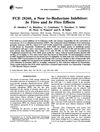
June 1996 in “The Journal of Steroid Biochemistry and Molecular Biology” FCE 28260 is a stronger and longer-lasting inhibitor of 5α-reductase than finasteride, which may make it a better treatment for certain medical conditions.
 May 2019 in “The Journal of Sexual Medicine”
 Flibanserin's effectiveness for low sexual desire in premenopausal women may vary based on hormone levels, with normal hormone levels showing better responses.
 November 2024 in “Gynecological Endocrinology”
 The article's findings are uncertain and should be viewed with caution.
 20 citations
,
January 2014 in “Journal of the European Academy of Dermatology and Venereology”
20 citations
,
January 2014 in “Journal of the European Academy of Dermatology and Venereology” The critique highlights an error in a review about hair loss treatment, stressing the need for accurate information and caution due to poor evidence quality.
 18 citations
,
May 2020 in “Biomolecules”
18 citations
,
May 2020 in “Biomolecules” Spironolactone, a heart and liver drug, has new uses including cancer treatment, viral infection prevention, and skin condition improvement.