 June 2025 in “Deleted Journal”
 Selamectin effectively cured the cats' infestation.
5 citations
,
January 2023 in “IDCases” Albendazole and praziquantel can cause severe side effects, especially with prolonged use or liver issues.
 28 citations
,
January 2000 in “Medical Mycology”
28 citations
,
January 2000 in “Medical Mycology” Fungal infections in lab animals can interfere with research.
 February 2026 in “Animals”
 Methionine supplementation in low-protein diets improves growth, fur quality, and gut health in blue foxes.
 January 2026 in “Frontiers in Pharmacology”
 Wedelolactone may help treat inflammation, infections, cancer, bone loss, and organ damage.
36 citations
,
June 2003 in “The journal of small animal practice/Journal of small animal practice” Trilostane helped a cat with a hormone issue but the cat later died from a kidney infection.
12 citations
,
February 2011 in “Equine veterinary education” A mare had severe symptoms and died from a large lymphoma.
Letrozole combined with Cabergoline improves ovulation and pregnancy rates in women with PCOS and high prolactin levels compared to Letrozole alone.
 52 citations
,
October 2004 in “Veterinary dermatology”
52 citations
,
October 2004 in “Veterinary dermatology” Melatonin and mitotane treatment led to hair re-growth in 62% of dogs with Alopecia X, but this was not always linked to normal hormone levels.
 6 citations
,
December 2008 in “Clinics in Dermatology”
6 citations
,
December 2008 in “Clinics in Dermatology” Escitalopram might effectively treat delusions of parasitosis and possibly Morgellons disease, with psychological factors being important to consider.
April 2015 in “The FASEB Journal” Midazolam's antiseizure effects are mainly due to synaptic GABA-A receptors, not neurosteroids or extrasynaptic receptors.
1 citations
,
January 2012 in “Springer eBooks” Mesotherapy can cause serious side effects like infections and skin reactions.
 4 citations
,
December 1962 in “European journal of endocrinology”
4 citations
,
December 1962 in “European journal of endocrinology” Alloxan diabetes, methylthiouracil, cortisone, and adrenaline affect how white mice hair follicles use glucose and cystine and their cell division.
 8 citations
,
March 2018 in “Journal of Drug Delivery Science and Technology”
8 citations
,
March 2018 in “Journal of Drug Delivery Science and Technology” Itraconazole-loaded nanoparticles are more effective and less toxic for treating fungal infections than conventional oral itraconazole.
 July 2015 in “Actas Dermo-Sifiliográficas”
 A young woman with a rare fungal infection showed significant improvement after treatment with antifungal medication.
 2 citations
,
January 1990 in “Leukemia & Lymphoma”
2 citations
,
January 1990 in “Leukemia & Lymphoma” The combination of mitoxantrone, etoposide, and prednisolone is effective for treating relapsed lymphoma with manageable side effects.
June 2013 in “Clinical Neurophysiology” Finasteride improved reflexes and motor activity in rats with liver-related brain issues.
 January 2024 in “Open Journal of Veterinary Medicine”
 The treatment effectively reduces yeast and improves skin in dogs.
6 citations
,
April 2019 in “Advances in Pharmacology and Pharmacy” Mimosa pudica extract may help create new sedative and anti-anxiety drugs.
 6 citations
,
January 2013
6 citations
,
January 2013 Hyperadrenocorticism in ferrets is linked to neutering and indoor housing, and is best treated with surgery and a deslorelin implant.
21 citations
,
August 2017 in “Journal of veterinary internal medicine” Combining amino acid and stem cell therapy may help manage hepatocutaneous syndrome in dogs.
 1 citations
,
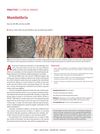
July 2018 in “CMAJ. Canadian Medical Association journal”
1 citations
,
July 2018 in “CMAJ. Canadian Medical Association journal” A three-year-old girl has hair loss despite treatment with selenium sulfide shampoo and anti-fungal medication.
Finasteride reduces prostate size and DHT in male mastomys but not in females.
July 2026 in “International Journal of Advanced Biochemistry Research” The herbal spray is a safe, cost-effective alternative to conventional treatment for bovine skin fungus.
 May 2023 in “Pharma innovation”
 Ringworm in cattle can be effectively treated with Povidone iodine and Whitefield ointment.
5 citations
,
January 1976 Leucaena was unpalatable, caused health issues, and reduced fertility in heifers.
3 citations
,
July 2023 in “Cells” MG53 helps reduce skin damage caused by nitrogen mustard.
132 citations
,
January 1987 in “Annals of Internal Medicine” Methimazole may cause skin defects in babies if taken during pregnancy.
 August 2024 in “Indian Journal of Animal Research”
 Clove oil effectively treats cattle dermatophytosis in 7 days.
16 citations
,
March 1986 in “Biochemical Pharmacology”