November 2018 in “Journal of dermatology & cosmetology” The document reports the first case of a rare skin condition in Colombia, the 19th case worldwide.
5 citations
,
January 2024 in “Fermentation” The new placenta-derived liquid improves skin moisture better than traditional extracts.
20 citations
,
November 2022 in “Nutrients” Placenta extract may protect and improve liver health by reducing stress, inflammation, and cell death, and promoting regeneration.
September 2021 in “The journal of investigative dermatology/Journal of investigative dermatology” Three genes linked to the development of trichilemmal cysts were found.
January 2022 in “Skin Appendage Disorders” Areata-like lupus can mimic alopecia areata but is a form of cutaneous lupus erythematosus.
 February 2024 in “Skin research and technology”
 The research suggests that immune cells and a specific type of cell death called ferroptosis are involved in Frontal fibrosis alopecia.
 28 citations
,
January 2006 in “Journal of agricultural safety and health”
28 citations
,
January 2006 in “Journal of agricultural safety and health” Most Latino farmworkers in the study had skin diseases, with fungal infections being the most common.
 12 citations
,
June 2016 in “Reviews in Endocrine and Metabolic Disorders”
12 citations
,
June 2016 in “Reviews in Endocrine and Metabolic Disorders” Some skin diseases and their treatments can negatively affect male fertility.
 6 citations
,
February 1974 in “The BMJ”
6 citations
,
February 1974 in “The BMJ” The document concludes that scalp disorders can be treated with hair washing, specific shampoos, medications, and sometimes surgery or hair transplants, but hereditary baldness is untreatable.
 January 2026 in “Forum Dermatologicum”
 Platelet-rich plasma helps improve skin and hair conditions.

Adipocytes in atopic dermatitis skin change and worsen inflammation and fibrosis.
 February 2024 in “Journal of dermatology research reviews & reports”
 A 50-year-old woman with breast cancer developed an autoimmune skin disorder, highlighting the need for thorough checks and team-based treatment.
 July 1980 in “Journal of The American Academy of Dermatology”
 The conference concluded that understanding hair and nail disorders is important, iron deficiency may be linked to hair loss, and while some treatments for skin conditions are effective, they may have risks and high costs.
 September 2022 in “The American Journal of Dermatopathology”
 Blocking IL-17 might help treat the hair loss condition Lichen planopilaris.
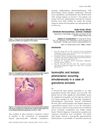 4 citations
,
January 2009 in “Indian Journal of Dermatology, Venereology and Leprology”
4 citations
,
January 2009 in “Indian Journal of Dermatology, Venereology and Leprology” A patient with granuloma annulare experienced both isotopic and isomorphic responses, with skin lesions responding to steroids but relapsing after stopping treatment.
July 2019 in “Zenodo (CERN European Organization for Nuclear Research)” Follicular mucinosis in a 15-year-old is usually harmless but needs monitoring for possible lymphoma.
April 2025 in “Health Science Reports” PRP treatment improved skin pigmentation and appearance in facial lichen planus pigmentosus.
5 citations
,
January 2024 in “JID Innovations” CCCA involves immune response and metabolism issues, suggesting new treatment options.
June 2025 in “British Journal of Dermatology” Premature canities is linked to low vitamin D and B12, family history, and higher MHR.
23 citations
,
February 2003 in “British Journal of Dermatology” A rare type of skin lymphoma was identified, affecting hair follicles and sweat glands.
 July 2023 in “British journal of dermatology/British journal of dermatology, Supplement”
 Skin tumors with CYLD cutaneous syndrome show more NF-κB activity and less organized collagen.
 20 citations
,
January 2008 in “Journal of Korean Medical Science”
20 citations
,
January 2008 in “Journal of Korean Medical Science” NGAL may help maintain skin balance and is linked to skin disorders and cancers.
 February 2023 in “Siriraj Medical Journal”
 Not all cases with typical signs of Alopecia Areata are actually diagnosed as such.
1 citations
,
August 2023 in “Clinical Cosmetic and Investigational Dermatology” Exclamation mark hairs help distinguish syphilitic alopecia from alopecia areata.
 4 citations
,
July 2024 in “Cureus”
4 citations
,
July 2024 in “Cureus” The treatment improved neck wrinkles and skin laxity.
 September 2016 in “Journal of Dermatological Science”
 Plasmacytoid dendritic cells, which overproduce IFN-α, may play a crucial role in starting alopecia areata, an autoimmune disease causing hair loss.
 13 citations
,
March 2011 in “British Journal of Dermatology”
13 citations
,
March 2011 in “British Journal of Dermatology” A woman with scalp lymphoma and hair loss improved with radiotherapy, highlighting the need for biopsies in similar cases.
 2 citations
,
April 2018 in “Journal of Investigative Dermatology”
2 citations
,
April 2018 in “Journal of Investigative Dermatology” Frontal fibrosing alopecia shows increased inflammation and JAK-STAT pathway activity without reduced hair proteins.
 41 citations
,
July 2017 in “Journal of The American Academy of Dermatology”
41 citations
,
July 2017 in “Journal of The American Academy of Dermatology” Men with Frontal fibrosing alopecia typically lose hair on the front scalp and sometimes on sideburns and upper lip, with treatments showing varied success.
November 2025 in “Journal of Investigative Dermatology” PCFCL may have unrecognized subtypes and needs more research.