 40 citations
,
January 2010 in “International Journal of Trichology”
40 citations
,
January 2010 in “International Journal of Trichology” Loose Anagen Syndrome is a hair condition where hairs can be easily pulled out, mainly affecting young girls, and may improve on its own or with treatment.
 25 citations
,
October 1996 in “Dermatologic Clinics”
25 citations
,
October 1996 in “Dermatologic Clinics” Loose Anagen Syndrome causes easy-to-pull, thin hair, mainly in young girls, and improves with age.
 19 citations
,
April 1995 in “Clinical Genetics”
19 citations
,
April 1995 in “Clinical Genetics” Two siblings were the first reported cases of inheriting both eye coloboma and loose anagen syndrome together.
 13 citations
,
July 2016 in “Pediatric Dermatology”
13 citations
,
July 2016 in “Pediatric Dermatology” Loose Anagen Syndrome is more common in females and may be inherited, often confused with other hair disorders, and lacks evidence for biotin treatment effectiveness.
3 citations
,
January 2020 in “JAAD Case Reports” A girl had two rare hair conditions that helped understand their overlap.
1 citations
,
December 2022 in “Skin Appendage Disorders” Teledermatology can effectively diagnose Loose Anagen Syndrome remotely.
 1 citations
,
January 2020 in “Skin appendage disorders”
1 citations
,
January 2020 in “Skin appendage disorders” A family was found with both Trichorhinophalangeal syndrome and Loose Anagen Syndrome, suggesting a genetic connection.
February 2021 in “PubMed” A 2-year-old girl had a hair disorder not shared by her identical twin.
January 2021 in “Dermatology online journal” One twin girl has Loose anagen syndrome with poorly anchored hair, diagnosed with a simple hair pull test, while her identical twin does not have the condition.
Loose anagen syndrome causes easy hair shedding in children, often resolving on its own.
84 citations
,
April 2002 in “Archives of Dermatology” Loose anagen hair syndrome may be caused by keratin gene mutations.
 46 citations
,
October 2009 in “Archives of Dermatology”
46 citations
,
October 2009 in “Archives of Dermatology” Loose anagen hair syndrome, often affecting young girls, can be diagnosed with a hair-pull test and usually gets better on its own, but severe cases may need treatment.
 31 citations
,
December 2010 in “Journal of the American Academy of Dermatology”
31 citations
,
December 2010 in “Journal of the American Academy of Dermatology” Loose anagen hair syndrome is caused by structural abnormalities in the hair follicle's inner root sheath.
 18 citations
,
March 2015 in “Journal of Dermatological Case Reports”
18 citations
,
March 2015 in “Journal of Dermatological Case Reports” Rectangular black granules, solitary yellow dots, and mostly single-hair follicles suggest Loose Anagen Hair Syndrome.
 13 citations
,
March 2014 in “Pediatric Dermatology”
13 citations
,
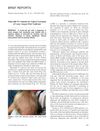
March 2014 in “Pediatric Dermatology” Minoxidil 5% solution significantly improved hair density in a girl with loose anagen hair syndrome over 28 months, with no side effects.
 12 citations
,
June 2009 in “Journal of Cosmetic Dermatology”
12 citations
,
June 2009 in “Journal of Cosmetic Dermatology” Loose Anagen Hair syndrome occurs in dark-skinned children and often improves on its own.
 9 citations
,
December 2020 in “British Journal of Dermatology”
9 citations
,
December 2020 in “British Journal of Dermatology” Low-dose oral minoxidil increases hair thickness and length in children with a hair disorder called Loose Anagen Hair Syndrome.
 8 citations
,
August 2013 in “Pediatric Dermatology”
8 citations
,
August 2013 in “Pediatric Dermatology” Loose Anagen Hair Syndrome is found in black-haired Indian children and is often missed, especially in boys.
2 citations
,
July 2019 in “Indian dermatology online journal” A 17-year-old girl and her brothers have a rare hair condition with long eyelashes, thick eyebrows, and easily pluckable hair.
 2 citations
,
August 2012 in “Journal of the American Academy of Dermatology”
2 citations
,
August 2012 in “Journal of the American Academy of Dermatology” Two patients with the same genetic mutation had both blistering skin and easily pulled out hair.
 1 citations
,
July 2019 in “Case reports in dermatology”
1 citations
,
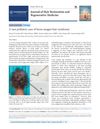
July 2019 in “Case reports in dermatology” A Thai boy was diagnosed with a rare hair disorder causing hair thinning and shedding.
 1 citations
,
April 2016 in “Journal of The American Academy of Dermatology”
1 citations
,
April 2016 in “Journal of The American Academy of Dermatology” The study concludes that Loose Anagen Hair Syndrome is a benign condition that usually improves with age but can be hard to diagnose and stressful for the family.
Loose anagen hair syndrome in children may improve with age, but treatment results vary.
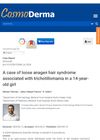
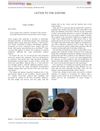
A 14-year-old girl with a condition that makes her hair easy to pull out also has a hair-pulling disorder, and treatment helped but she relapsed after a year.
 12 citations
,
March 2018 in “Australasian Journal of Dermatology”
12 citations
,
March 2018 in “Australasian Journal of Dermatology” Minoxidil treatment can reduce hair shedding, increase hair volume, and even change hair color in patients with loose anagen hair syndrome.
4 citations
,
April 2018 in “The journal of pediatrics/The Journal of pediatrics” A 6-year-old girl's inability to grow her hair long was due to Loose Anagen Hair Syndrome, which causes hair to shed easily and may improve with age.
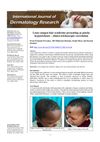 January 2026 in “International Journal of Dermatology Research”
 Early recognition of loose anagen hair syndrome is important to prevent misdiagnosis and unnecessary treatments.
A KRT32 gene variant causes loose anagen hair syndrome.
January 2025 in “International Journal of Trichology” Loose anagen hair syndrome in children often resolves on its own.
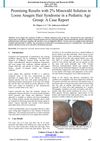 May 2023 in “International journal of science and research”
 2% minoxidil solution improved hair density and quality in children with Loose Anagen Hair Syndrome.