 July 2024 in “International Journal of Medical Arts”
 Latanoprost is more effective than minoxidil for treating alopecia areata.
 January 2025 in “International journal of research and scientific innovation”
 The liposomal hydrogel shows promise for hair loss treatment but needs more testing.
 55 citations
,
January 2002 in “Journal of liposome research”
55 citations
,
January 2002 in “Journal of liposome research” New liposomal formulations may improve delivery of treatments to hair follicles, potentially helping with hair loss.
Ganoderma lucidum extract promotes hair growth in bald rats, with higher doses producing better results, similar to the effects of Minoxidil 2%.
 31 citations
,
October 2012 in “Archives of ophthalmology”
31 citations
,
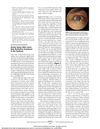
October 2012 in “Archives of ophthalmology” Laser hair reduction near the eyebrows can cause serious eye injuries even with safety measures.
 19 citations
,
October 2017 in “European Journal of Pharmaceutics and Biopharmaceutics”
19 citations
,
October 2017 in “European Journal of Pharmaceutics and Biopharmaceutics” The gel made of minoxidil and hydroxypropyl-β-cyclodextrin improves hair growth and is good for long-term use.
2 citations
,
January 2025 in “Journal of Oncology Pharmacy Practice” Pembrolizumab can cause unusual eyelash growth, but it may still be worth continuing if cancer treatment is effective.
Low-level laser therapy combined with Neoptide improved hair regrowth better than either treatment alone in rats.
 May 2023 in “Elsevier eBooks”
 Low-level laser/light therapy is effective and safe for mild to moderate hair loss in men and women when combined with other treatments.
 9 citations
,
January 2015 in “Laboratory Animal Research”
9 citations
,
January 2015 in “Laboratory Animal Research” Laminaria japonica and Cistanche tubulosa extracts combined may effectively promote hair growth.
2 citations
,
September 2025 in “Future Journal of Pharmaceutical Sciences” Lupeol shows promise for hair growth but needs better absorption and safety testing.
 December 2023 in “Azerbaijan Pharmaceutical and Pharmacotherapy J”
 The minoxidil gel could be a better treatment for hair loss than traditional forms.
46 citations
,
March 2009 in “Die Pharmazie” Minoxidil-loaded nanostructured lipid carriers are effective for topical use.
 4 citations
,
January 2020 in “Lasers in Surgery and Medicine”
4 citations
,
January 2020 in “Lasers in Surgery and Medicine” Using a 308-nm excimer lamp with minoxidil promotes hair growth in Alopecia Areata patients, especially younger ones or those with smaller bald spots.
 1 citations
,
January 2022 in “Journal of Pharmaceutical Sciences”
1 citations
,
January 2022 in “Journal of Pharmaceutical Sciences” The new skin cream with FOL-005 safely promotes hair growth and is stable and user-friendly.
 2 citations
,
August 2021 in “Journal of pharmaceutical research international”
2 citations
,
August 2021 in “Journal of pharmaceutical research international” Fenugreek seed extract in a nanoparticle gel could be a promising new treatment for hair loss.
January 2023 in “International Journal of Trichology” Low-level laser therapy is safe but not significantly better than minoxidil alone for hair growth.
 41 citations
,
December 2017 in “Lasers in Medical Science”
41 citations
,
December 2017 in “Lasers in Medical Science” Low-Level Laser Therapy (LLLT) is a safe and effective treatment for common hair loss, but more research is needed to find the best power and wavelength for treatment.
January 2014 in “프로그램북(구 초록집)” Laser and light treatments show promise for hair growth but need more research.
December 2022 in “Clinical and experimental dermatology and therapies” Adding the topical gel improved hair growth more than using minoxidil or finasteride alone.
 1 citations
,
January 2021 in “Dermatologic Therapy”
1 citations
,
January 2021 in “Dermatologic Therapy” Trichobiolight effectively treats hair loss with 82.5% success.
 January 2024 in “Photodiagnosis and Photodynamic Therapy”
 Using minoxidil with laser therapy is more effective for female hair loss than minoxidil alone.
June 2021 in “Current developments in nutrition” The LustrivaTM BH-002 supplement and hair serum improved women's hair, skin, and nail health and appearance.
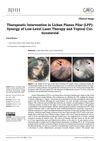 January 2024 in “Brazilian Journal of Hair Health”
 Combining low-level laser therapy with topical corticosteroids effectively improved Lichen Planopilaris symptoms.
December 2025 in “Journal of Dermatological Treatment” GT20029 helps regrow hair in men with hair loss and is well-tolerated.
 31 citations
,
June 2018 in “Dermatologic Surgery”
31 citations
,
June 2018 in “Dermatologic Surgery” Low-level light therapy safely improves hair coverage, thickness, and count in androgenetic alopecia patients.
2 citations
,
January 2025 in “Naunyn-Schmiedeberg s Archives of Pharmacology” Nanostructured lipid carriers can improve alopecia treatment by enhancing drug delivery and promoting hair growth.
 June 2022 in “C&EN global enterprise”
 The drug Olumiant is now approved to treat severe hair loss from alopecia and can also be used for some hospitalized COVID-19 patients.
 31 citations
,
September 2014 in “Journal of Pharmaceutical Sciences”
31 citations
,
September 2014 in “Journal of Pharmaceutical Sciences” Using a special laser can improve how well hair loss treatments get into the skin and hair follicles.