3 citations
,
December 2024 in “Journal of Animal Science” LncRNA MSTRG.14227.1 hinders hair follicle development in cashmere goats, affecting cashmere quality.
33 citations
,
April 2003 in “Oncogene” December 2025 in “Materials Technology” The engineered scaffold shows promise for effective skin repair.
 January 2014 in “Durham e-Theses (Durham University)”
 Notch1 helps skin heal by attracting cells that aid repair.
 7 citations
,
August 2020 in “Animal biotechnology”
7 citations
,
August 2020 in “Animal biotechnology” A specific RNA in cashmere goats helps improve hair growth by interacting with certain molecules.
 326 citations
,
February 2009 in “The American journal of pathology”
326 citations
,
February 2009 in “The American journal of pathology” Lgr5 is a marker for active, self-renewing stem cells in the intestine and skin, important for tissue maintenance.
June 2025 in “International Journal of Molecular Sciences” LncRNAs play a crucial role in muscle regulation and could help develop treatments for Duchenne muscular dystrophy.
July 2022 in “Journal of Investigative Dermatology” 35 citations
,
July 2010 in “The FEBS journal” The study found a specific peptide that helps detect TGase 3 activity in skin and hair follicles.
June 2026 in “Virtual and Physical Prototyping” A new method creates precise, stable microscale structures with reduced friction and potential for complex designs.
 86 citations
,
April 2016 in “Nature Communications”
86 citations
,
April 2016 in “Nature Communications” Notch1 helps skin heal by attracting specific immune cells.
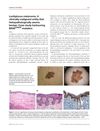 1 citations
,
March 2015 in “Journal of the European Academy of Dermatology and Venereology”
1 citations
,
March 2015 in “Journal of the European Academy of Dermatology and Venereology” A clinically suspected melanoma appeared benign under the microscope but was confirmed by specific tests and a rare mutation.
20 citations
,
January 2017 in “Genetica” The methylation of the HOXC8 gene's exon 1 affects cashmere fiber length in goats.
1 citations
,
May 2025 in “BMC Genomics” lncRNAs may help control cashmere goat hair growth by responding to light changes.
23 citations
,
July 2022 in “Nature Cell Biology” Targeting THY1 can improve skin repair and healing.
165 citations
,
May 2023 in “Science Advances” The hydrogel speeds up healing of infected wounds by providing oxygen and fighting bacteria.
26 citations
,
December 2003 in “Experimental Dermatology” Specific keratin gene mutations can cause monilethrix.
110 citations
,
January 1995 in “European Journal of Neuroscience” Glycine is a key transmitter in rat spinal cord synapses, often alongside GABA.
 October 2025 in “Advanced Materials”
 New lipid/fiber microplexes improve mRNA therapy for degenerative diseases by enhancing cell function and treatment effectiveness.
15 citations
,
August 2019 in “F1000Research” CMG2 and TEM8 receptors have distinct roles in skin and growth disorders, affecting collagen breakdown and growth.
June 2020 in “Research Square (Research Square)” The study found key long non-coding RNAs involved in yak hair growth cycles.
December 2021 in “Figshare” BBS7 is essential for healthy gums and teeth by supporting cell function and blood flow.
2 citations
,
July 2019 in “Indian dermatology online journal” A 17-year-old girl and her brothers have a rare hair condition with long eyelashes, thick eyebrows, and easily pluckable hair.
 January 2018 in “Stem cell biology and regenerative medicine”
 The conclusion is that the nuclear lamina and LINC complex in skin cells respond to mechanical signals, affecting gene expression and cell differentiation, which is important for skin health and can impact skin diseases.
71 citations
,
May 2024 in “New England Journal of Medicine” Ruxolitinib may effectively treat APS-1 by reducing harmful immune responses.
 47 citations
,
July 2014 in “European Journal of Pharmaceutics and Biopharmaceutics”
47 citations
,
July 2014 in “European Journal of Pharmaceutics and Biopharmaceutics” Scientists created a gel with nanoparticles to deliver medicine to hair follicles effectively.

Proper niche formation in Drosophila requires Slit-Robo signaling for cell migration.
November 2022 in “Journal of Investigative Dermatology” ILC1-like cells can cause alopecia areata by themselves.
6 citations
,
August 2015 in “Acta histochemica” Lysozyme might help mouse hair grow.
September 2025 in “Journal of Clinical Medicine” Elevated granulysin levels may indicate disease activity in vitiligo and alopecia areata.