Male androgenetic alopecia (MAA) is a common, hereditary hair loss condition in men, linked to heart disease, and can be treated with minoxidil, finasteride, or hair transplantation.
41 citations
,
December 2008 in “Pediatric Dermatology” Trichoscopy can diagnose Netherton syndrome without pulling hairs.
March 2015 in “Daehan boncho haghoeji/Daehan bonchohak hoeji” Haeae-tang helps hair grow in mice.

HEM-13HDC, a mix of 8 herbal extracts, helps hair grow and affects hair growth at a molecular level.
June 2025 in “Korean Journal of Pharmacognosy” Isoalantolactone promotes hair growth by activating specific cell pathways.
1 citations
,
January 2018 in “Jornal Brasileiro de Patologia e Medicina Laboratorial” Monilethrix causes brittle hair and hair loss, and it runs in families.
21 citations
,
April 2004 in “Australasian Journal of Dermatology” A 3-year-old girl has a rare condition causing sparse hair and nail issues, with minimal improvement from treatment.
 1 citations
,
September 2022 in “Molecules”
1 citations
,
September 2022 in “Molecules” Fructus Malvae may help with diabetes, tumors, and hair loss due to its various active compounds.
 6 citations
,
March 2014 in “Herba Polonica”
6 citations
,
March 2014 in “Herba Polonica” Plant extracts may help treat hormone-related hair loss.
11 citations
,
November 2023 in “Journal of Advanced Research” Activating ALDH2 can boost hair growth.
August 2023 in “Apple Academic Press eBooks” Eclipta prostrata promotes hair growth and has health benefits.
1 citations
,
August 2024 in “Journal of Morphology” Mammary glands evolved from hair organs in Monodelphis domestica.
January 2013 in “Annals of Ayurvedic Medicine” Abrus precatorius seed oil promotes hair growth and has antifungal properties.
May 2017 in “Journal of the American Academy of Dermatology” Monilethrix is a rare, inherited condition causing fragile hair and hair loss, with no cure but some treatments may help.
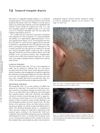 April 2012 in “Informa Healthcare eBooks”
 Temporal triangular alopecia is a lifelong condition with hairless patches on the side of the head that may be present from birth.
 14 citations
,
July 2021 in “Biomolecules”
14 citations
,
July 2021 in “Biomolecules” Centipeda minima extract helps hair grow by activating important growth signals and could be a promising hair loss treatment.
January 2000 in “The Mouseion at the JAXlibrary (Jackson Laboratory)” The lanceolate hair-J mutation in mice helps understand human hair disorders like Netherton's syndrome.
 December 2024 in “Australian Journal of General Practice”
 The woman's hair loss pattern doesn't match typical conditions like alopecia areata or female pattern hair loss.
3 citations
,
July 2020 in “International Journal of Applied Pharmaceutics” The banana corm extract shampoos are stable and may effectively promote hair growth.
July 1990 in “British Journal of Dermatology”  July 2023 in “Journal of Natural Remedies”
 Shell ginger contains kavalactones that promote hair growth and have anti-cancer, anti-inflammatory, and anti-obesity effects.
January 2026 in “Clinical Case Reports” A 6-year-old girl had both monilethrix and trichorrhexis nodosa, causing brittle hair, with minimal improvement from treatment.
5 citations
,
March 2025 in “Phytomedicine” Deoxyshikonin from Arnebiae Radix helps hair grow by activating a specific cell pathway.
 March 2024 in “Nutrients”
 Gynostemma pentaphyllum and its component damulin B could help hair grow by activating certain cell pathways.
 24 citations
,
December 2014 in “International Journal of Molecular Medicine”
24 citations
,
December 2014 in “International Journal of Molecular Medicine” Eclipta alba extract helps increase hair growth and decrease hair loss-related protein in mice.
August 2018 in “Journal of the Korean Chemical Society” Anemarrhena asphodeloides extract promotes hair growth in mice.
 4 citations
,
January 2011 in “Der Pharmacia Lettre”
4 citations
,
January 2011 in “Der Pharmacia Lettre” Hibiscus flower extract slowed down hair growth in rats.
20 citations
,
December 2021 in “Plants” Tamarix aphylla may be effective for various medical conditions, but more research is needed to confirm its safety and effectiveness.
4 citations
,
August 2023 in “Journal of Cosmetic Dermatology” Gynostemma pentaphyllum extract may help grow hair and prevent graying.