July 2021 in “Physiology and Pharmacology” Umbilical cord masks can help reduce melasma in postpartum women.
 June 2023 in “NILES Journal forGeriatric and Gerontology/NILES Journal for Geriatric and Gerontology”
 Oral tranexamic acid is a safe and effective treatment for melasma.
21 citations
,
January 2008 in “Indian Journal of Dermatology Venereology and Leprology”  October 2023 in “Medical records-international medical journal”
 People with AB blood type may be more likely to get melasma.
4 citations
,
December 2014 in “Indian Journal of Dermatology” A rare skin condition with cysts was found on a 5-year-old boy's scalp.
1 citations
,
March 2025 in “Portuguese Journal of Dermatology and Venereology” Many women with melasma also have metabolic syndrome.
 June 2021 in “Asian Journal of Medical Sciences”
 Vitamin B12 deficiency can cause reversible skin darkening.
2 citations
,
June 2018 in “Dermatologic Surgery” 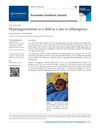 November 2024 in “Karnataka Pediatric Journal”
 Chikungunya can cause hyperpigmentation in children and should be considered in diagnosis.
September 2023 in “Journal of the American Academy of Dermatology” The cosmetic product improved melasma and skin quality without causing irritation.
 October 2025 in “Pediatric Dermatology”
 A 16-year-old boy's facial condition improved with doxycycline, suggesting an immune response to hair follicle damage.
10 citations
,
October 2023 in “Indian Dermatology Online Journal” Choose melasma treatments based on individual needs and local availability.
 3 citations
,
March 2021 in “Cureus”
3 citations
,
March 2021 in “Cureus” A rare combination of halo nevi, nonsegmental vitiligo, and early gray hair can occur together.
 13 citations
,
February 2020 in “Journal of the American Academy of Dermatology”
13 citations
,
February 2020 in “Journal of the American Academy of Dermatology” Microneedling and oral tranexamic acid both improve facial melasma, but microneedling shows more sustained benefits.
10 citations
,
September 1994 in “International Journal of Dermatology” Three Iranian men had reddish-brown facial pigmentation with no effective treatment.
13 citations
,
October 2000 in “International Journal of Dermatology” A 6-year-old boy in India was diagnosed with Bloom's syndrome, showing growth and developmental issues, and skin problems worsened by sunlight.
November 2024 in “Tạp chí Y học Cộng đồng” Oral and topical tranexamic acid effectively and safely improve melasma.
July 2022 in “European Journal of Dermatology” Brodalumab is more effective than ustekinumab in treating psoriasis.
 March 2025 in “JDDG Journal der Deutschen Dermatologischen Gesellschaft”
 Facial hyperpigmentation improved with oral isotretinoin and ivermectin cream after Demodex mites were identified as the cause.
1 citations
,
December 2024 in “Case Reports in Dermatology” Cyclophosphamide likely causes skin darkening by affecting hair follicles.
10 citations
,
May 2017 in “Clinical and experimental dermatology”  January 2025 in “Indian Dermatology Online Journal”
 Treatment reduced cystic lesions but didn't change existing Nevus Comedonicus.
 November 2017 in “International journal of research in dermatology”
 A rare skin disorder, nevus comedonicus, can appear on one side of the body following Blaschko's lines.
34 citations
,
February 2012 in “International Journal of Dermatology” Dermatoscopy can help identify hydroquinone-induced skin issues, avoiding invasive biopsies.
April 2021 in “Authorea (Authorea)” A 20-year-old woman had stable Progressive Hemifacial Atrophy and Vitiligo after treatment, suggesting a possible link between the conditions.
 6 citations
,
April 2014 in “PubMed”
6 citations
,
April 2014 in “PubMed” A man got brown patches on his skin (melasma) after taking finasteride, a hair loss treatment.
1 citations
,
August 2019 in “Chinese Medical Journal” A man developed facial skin lesions after a stem cell transplant, which improved with specific treatments.
June 2023 in “Scholars journal of medical case reports” A black-skinned woman was diagnosed with Vogt-Koyanagi-Harada disease and treated with steroids and eye drops.
January 2026 in “Deutsches Ärzteblatt international”  January 2022 in “International Journal of Nutrology”
 Diet and nutrients, including lycopene from tomatoes and hydroquinone from wheat, can help control melasma, a skin condition.