6 citations
,
July 2005 in “Acta Ophthalmologica Scandinavica” Mitochondriopathy may cause eyelash loss.
 3 citations
,
March 2019 in “Case Reports”
3 citations
,
March 2019 in “Case Reports” A man with myotonic dystrophy type 1 had 28 skin cancers, suggesting a link between the disease and skin cancer, emphasizing the need for sun protection and regular skin checks.
33 citations
,
May 2018 in “Stem Cell Reports” Krt15+ cells in the mouse intestine resist radiation and can start tumors.
2 citations
,
June 2013 in “Journal of Clinical Pathology” The LMNA mutation affects skin structure even in asymptomatic carriers.
17 citations
,
September 2018 in “Matrix Biology” Laminin-511 is essential for proper melanocyte movement and development in mice.
 81 citations
,
November 2012 in “Journal of the National Cancer Institute”
81 citations
,
November 2012 in “Journal of the National Cancer Institute” The tumor suppressor gene FLCN affects mitochondrial function and energy use in cells.
 April 2023 in “Journal of Investigative Dermatology”
 An elderly woman's upper lip lump, thought to be a mucocele, was actually a rare type of lymphoma usually found on legs, treated successfully with chemotherapy and radiation.
April 2017 in “Journal of Investigative Dermatology” Deleting Crif1 in mouse skin disrupts skin balance and hair growth.
 April 2023 in “Authorea (Authorea)”
 A young woman with a rare skin cancer was diagnosed late because her symptoms were unusual for the disease.
 August 2023 in “The journal of investigative dermatology/Journal of investigative dermatology”
 Longer immunotherapy treatment may improve outcomes for Merkel cell carcinoma patients.
August 2009 in “Mechanisms of Development” 51 citations
,
February 2004 in “Journal of Investigative Dermatology” MCSP may help identify and regulate skin stem cells, affecting hair growth and regeneration.
January 1999 in “Praxis sociológica” Melanocyte stem cells can become melanoma, resembling human melanoma.
5 citations
,
August 2021 in “Experimental dermatology” Overexpressing Merkel cell virus proteins in human hair follicles can create clusters of cells that resemble Merkel cell cancer.
 10 citations
,
July 2013 in “British Journal of Dermatology”
10 citations
,
July 2013 in “British Journal of Dermatology” High MUC-18/MCAM levels in blood indicate a worse outlook for melanoma patients.
4 citations
,
December 2023 in “Medicine” Lower levels of MYLK and CALD1 in bladder cancer and osteosarcoma are linked to worse survival rates.
 April 2023 in “The journal of investigative dermatology/Journal of investigative dermatology”
 The protein p21 is more abundant in normal skin cells than in melanoma cells and may help protect against melanoma, with UVB light affecting its levels.
10 citations
,
November 2009 in “Pigment cell & melanoma research” The document concludes that MGRN1 affects mouse fur color by interfering with a receptor's signaling, but its full role in the body is still unknown.
 April 2016 in “Journal of Investigative Dermatology”
 Lymphoid-specific helicase (Lsh) is crucial for skin growth, change, and healing after injury.
 August 2012 in “Nature Cell Biology”
 The tumor suppressor BRCA2 helps in cell division by bringing key proteins to the area where cells split.
60 citations
,
October 2020 in “Nature Communications” AP-1 and TGFß work together to drive resistance in basal cell carcinoma, suggesting new treatment options.
20 citations
,
July 2017 in “Journal of Investigative Dermatology” IL-1 receptor absence in mice leads to skin cysts and changes in immune response after UVB exposure.
9 citations
,
July 2007 in “Journal of Investigative Dermatology” Claudin expression changes help the skin respond to injury.
41 citations
,
December 2011 in “The journal of investigative dermatology/Journal of investigative dermatology” Deleting MED1 in skin cells causes hair loss and skin changes.
 27 citations
,
January 2012 in “Current Topics in Microbiology and Immunology”
27 citations
,
January 2012 in “Current Topics in Microbiology and Immunology” Mice that can regenerate tissue have cells that pause in the cell cycle, which is important for healing, similar to axolotls.
 5 citations
,
August 2019 in “iScience”
5 citations
,
August 2019 in “iScience” Deleting the Trf1 protein in mice is safe and may help prevent cancer without major side effects.
 April 2017 in “Journal of Investigative Dermatology”
 Removing the Crif1 gene in mouse skin disrupts skin balance and hair growth.
22 citations
,
September 2011 in “Journal of Investigative Dermatology” TCF/Lef1 is essential for skin barrier function by regulating lipid metabolism.
 11 citations
,
December 2010 in “Archives of Dermatology”
11 citations
,
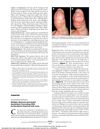
December 2010 in “Archives of Dermatology” A man with rare skin changes on his fingers was diagnosed with multiple myeloma-linked amyloidosis.
December 2022 in “Biochemical and Biophysical Research Communications” HtrA2 activity is crucial for normal hair growth by regulating fat cell development.