 23 citations
,
January 2014 in “Molecular Therapy”
23 citations
,
January 2014 in “Molecular Therapy” Applying a special DNA plasmid to the skin can make it thicker and stronger.
 October 2012 in “Advanced Materials Research”
 Higher temperatures improve rabbit hair strength up to 50°C, but moisture weakens it.
CMV infection increases the risk of GvHD after bone marrow transplants.
MVP treatment is effective and safe for recurrent breast cancer.
June 2026 in “Clinical Case Reports” Early recognition and treatment of multiple carboxylase deficiency with biotin can prevent serious health issues in infants.
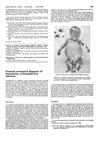 39 citations
,
June 1982 in “The BMJ”
39 citations
,
June 1982 in “The BMJ” Blood tests confirmed a baby in the womb had a CMV infection.
822 citations
,
January 2021 in “Genome biology” scMC effectively separates biological signals from technical noise in single-cell genomics data.
June 2025 in “British Journal of Dermatology” Premature canities is linked to low vitamin D and B12, family history, and higher MHR.
 14 citations
,
May 2019 in “Human gene therapy”
14 citations
,
May 2019 in “Human gene therapy” MC-DNA vector-based gene therapy can temporarily treat CBS deficiency in mice.
17 citations
,
July 2024 in “Frontiers in Oncology” New therapies and trials are needed for Merkel cell carcinoma, a tough skin cancer.
116 citations
,
August 2021 in “Stem Cell Research & Therapy” Menstrual blood stem cell vesicles show promise for treating various medical conditions.
2 citations
,
September 2022 in “Annals of Oncology” Mirvetuximab soravtansine improves quality of life and reduces symptoms more than standard chemotherapy in ovarian cancer patients.

Careful diagnosis and management of MCTD are crucial due to potential severe complications.

RCVS should be considered in thunderclap headaches, and MRA and DSA are better for diagnosis than CT angiogram.
 10 citations
,
July 2013 in “British Journal of Dermatology”
10 citations
,
July 2013 in “British Journal of Dermatology” High MUC-18/MCAM levels in blood indicate a worse outlook for melanoma patients.
21 citations
,
December 2019 in “PloS one” The rat model showed early perimenopause with regular cycles and low hormones, and late perimenopause with irregular cycles and higher hormone levels.
June 2017 in “The Medical Journal of Australia” The man's rash, hair loss, and vision issues were due to syphilis, not CMV.
9 citations
,
December 2023 in “Materials Today Bio” Multibranch carboxyl-modified cellulose is a safe and effective material for stopping bleeding.
1 citations
,
February 2023 in “Russian Journal of Bioorganic Chemistry” The new compound may be a safer alternative to finasteride for prostate protection.
 June 2001 in “Journal of The American Academy of Dermatology”
 The exam tested knowledge on various skin-related topics for CME credit.
December 2025 in “Medical dosimetry”  April 2024 in “Current Rheumatology Reviews”
 MCTD should be considered in children with recurring muscle issues, lupus-like symptoms, and edema.
17 citations
,
April 2023 in “Cell Biology International” RDW is a useful, cost-effective tool for diagnosing and monitoring various diseases.
March 2025 in “Laboratory Investigation” MESTSV is a rare tumor that is mostly benign but needs long-term monitoring due to potential recurrence.

Lower postoperative hematocrit levels increase the risk of death within 28 days after coronary artery bypass surgery.
13 citations
,
December 2021 in “Journal of Cellular and Molecular Medicine” Exosome-enriched vesicles from placental cells improved skin condition in a patient with chronic graft-versus-host disease.
 April 2025 in “Journal of Digestive Cancer Research”
 Milk-derived vesicles are promising for delivering drugs orally and treating various conditions.
8 citations
,
January 2025 in “Cell Transplantation” MSC-derived EVs show promise for therapy, but production and understanding need improvement.
 May 2014 in “Transfusion and Apheresis Science”
 The study found that the quality of cord blood units remains consistent before freezing and after thawing, indicating that attached tube segments reliably represent the graft's properties.
 April 2018 in “Journal of Investigative Dermatology”
 CENPV, a new partner of CYLD, helps regulate ciliary acetylated tubulin and is overexpressed in certain skin tumors.