 84 citations
,
July 2003 in “European journal of biochemistry”
84 citations
,
July 2003 in “European journal of biochemistry” Mouse skin can produce and process serotonin, with variations depending on hair cycle, body location, and mouse strain.
 35 citations
,
January 2013 in “International Journal of Trichology”
35 citations
,
January 2013 in “International Journal of Trichology” Kids with early graying hair often have low levels of calcium, ferritin, and vitamin D3.
 30 citations
,
July 2017 in “BioEssays”
30 citations
,
July 2017 in “BioEssays” Activating NRF2 might help treat hair disorders by improving antioxidant defenses.
 26 citations
,
May 2021 in “International Journal of Molecular Sciences”
26 citations
,
May 2021 in “International Journal of Molecular Sciences” Cheonggukjang may help prevent and manage various diseases and improve overall health, but its odor and safety concerns need addressing.
 26 citations
,
June 2019 in “The journal of investigative dermatology/Journal of investigative dermatology”
26 citations
,
June 2019 in “The journal of investigative dermatology/Journal of investigative dermatology” Regenerative therapies show promise for treating vitiligo and alopecia areata.
 25 citations
,
November 2014 in “Ageing Research Reviews”
25 citations
,
November 2014 in “Ageing Research Reviews” Skin aging is caused by stem cell damage and can potentially be delayed with treatments like antioxidants and stem cell therapy.
 25 citations
,
March 2012 in “Journal of Dermatological Science”
25 citations
,
March 2012 in “Journal of Dermatological Science” Genetic variants linked to ten skin diseases were found, showing both immune and non-immune factors play a role.
 24 citations
,
October 2014 in “Cold Spring Harbor Perspectives in Medicine”
24 citations
,
October 2014 in “Cold Spring Harbor Perspectives in Medicine” Genetic research has advanced our understanding of skin diseases, but complex conditions require an integrative approach for deeper insight.
 14 citations
,
May 2021 in “Marine Drugs”
14 citations
,
May 2021 in “Marine Drugs” PDRN, derived from salmon sperm, shows promise in healing wounds, reducing inflammation, and regenerating tissues, but more research is needed to understand its mechanisms and improve its use.
 14 citations
,
December 2013 in “Molecules”
14 citations
,
December 2013 in “Molecules” Two compounds from Asiasarum heterotropoides roots show potential as lung cancer treatments without harming normal cells.
 11 citations
,
July 2014 in “American Journal of Clinical Dermatology”
11 citations
,
July 2014 in “American Journal of Clinical Dermatology” People with vitiligo may have a higher rate of Helicobacter pylori infection, but the infection's severity doesn't affect how severe the vitiligo is.
 9 citations
,
December 2014 in “Neuropsychiatric Disease and Treatment”
9 citations
,
December 2014 in “Neuropsychiatric Disease and Treatment” People with first-time vitiligo have lower levels of a certain brain protein compared to healthy individuals.
 9 citations
,
May 2012 in “PLOS ONE”
9 citations
,
May 2012 in “PLOS ONE” ILK is essential for skin development, pigmentation, and healing.
 7 citations
,
December 2015 in “Experimental Dermatology”
7 citations
,
December 2015 in “Experimental Dermatology” Sh-Polypeptide 9 may be better than minoxidil for hair growth and protection against damage.
 5 citations
,
August 2018
5 citations
,
August 2018 Plant extracts can benefit skin but must be safe and high-quality.
 4 citations
,
February 2017 in “Journal of Cutaneous Medicine and Surgery”
4 citations
,
February 2017 in “Journal of Cutaneous Medicine and Surgery” Compounds from certain trees used by First Nations people show potential for treating skin conditions and promoting hair growth, but more research is needed to confirm their safety and effectiveness.
 3 citations
,
July 2024 in “Frontiers in Pharmacology”
3 citations
,
July 2024 in “Frontiers in Pharmacology” Puerariae Lobatae Radix can reduce sebaceous gland size and secretion, potentially treating related skin conditions.
 2 citations
,
March 2025 in “Archives of Dermatological Research”
2 citations
,
March 2025 in “Archives of Dermatological Research” HEV light can harm or help skin and scalp, so safe exposure guidelines are needed.
 2 citations
,
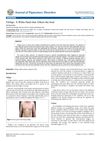
January 2017 in “Journal of Pigmentary Disorders”
2 citations
,
January 2017 in “Journal of Pigmentary Disorders” Vitiligo causes white skin patches and can lead to psychological stress.
 1 citations
,
January 2025 in “Frontiers in Pharmacology”
1 citations
,
January 2025 in “Frontiers in Pharmacology” Total glucosides of paeony can help treat skin conditions but need more research for clinical use.
 1 citations
,
September 2024 in “Quality in Sport”
1 citations
,
September 2024 in “Quality in Sport” Hair graying can be delayed or prevented with antioxidants, lifestyle changes, and genetic therapy.
 1 citations
,
August 2020 in “IntechOpen eBooks”
1 citations
,
August 2020 in “IntechOpen eBooks” Old drugs like finasteride and spironolactone are being successfully used for hair loss and skin conditions, and many other drugs show promise for new uses in dermatology.
 1 citations
,
July 2016 in “Elsevier eBooks”
1 citations
,
July 2016 in “Elsevier eBooks” Understanding skin structure and development helps diagnose and treat skin disorders.
 1 citations
,
January 2013 in “Springer eBooks”
1 citations
,
January 2013 in “Springer eBooks” Cosmeceuticals may benefit skin health but need more research for efficacy and safety confirmation.
 April 2026 in “Frontiers in Cell and Developmental Biology”
 CD200- cells in hair follicles have a higher ability to regenerate hair.

Hair follicle-derived sheets can effectively treat vitiligo by repigmenting skin.
 February 2026 in “Clinical Cosmetic and Investigational Dermatology”
 Low humidity changes skin gene expression, but emollients can help manage these changes.
 December 2025 in “MEDFARM Jurnal Farmasi dan Kesehatan”
 Topical metformin shows promise for treating skin conditions like acne and psoriasis.
 November 2025 in “EXPERIMENTAL ANIMALS”
 Stingless bee propolis may help regenerate hair follicles and improve pigment function in chemotherapy-induced hair loss.

Azelaic acid helps with skin pigmentation issues, but its full effects are not completely understood.