 January 2014 in “Durham e-Theses (Durham University)”
 Notch1 helps skin heal by attracting cells that aid repair.
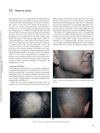 April 2012 in “Informa Healthcare eBooks”
 Alopecia areata is a common autoimmune condition causing varying hair loss, diagnosed by specific patterns of inflammation around hair follicles, with several treatment options available.
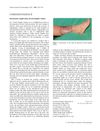 May 2002 in “British Journal of Dermatology”
 Hair loss caused by longer latent hair cycle and sudden miniaturization, not gradual follicle size reduction.
 21 citations
,
February 2013 in “Clinics in Dermatology”
21 citations
,
February 2013 in “Clinics in Dermatology” New treatments for advanced skin cancer are improving patient outcomes, but drug resistance and finding the right treatment combinations are still big challenges.
37 citations
,
November 2017 in “Medical Sciences” Melanoma's complexity requires personalized treatments due to key genetic mutations and tumor-initiating cells.
10 citations
,
January 2012 in “Journal of Oncology” The surrounding tissue plays a crucial role in the growth and spread of skin cancer.
20 citations
,
December 2020 in “Frontiers in Immunology” The immune processes causing VKH and vitiligo are similar in dogs and humans.
3 citations
,
May 2013 in “International journal of molecular sciences” Epidermal stem cells show promise for treating orthopedic injuries and diseases.
38 citations
,
June 2016 in “Journal of Tissue Engineering and Regenerative Medicine” Microcolumn grafting can effectively regenerate full-thickness, functional skin without scarring.
 23 citations
,
June 2016 in “FEBS Journal”
23 citations
,
June 2016 in “FEBS Journal” Boosting β-catenin signaling in certain skin cells can enhance hair growth.
22 citations
,
December 2013 in “Stem cells and development” Horse skin stem cells combined with platelet-rich plasma improve skin healing.
173 citations
,
August 2015 in “Developmental cell” The study identified unique genes in hair follicle cells and their environment, suggesting these genes help organize cells for hair growth.
23 citations
,
May 2023 in “Cell Proliferation” TGF-β and FGF pathways are crucial for skin development and regeneration.
20 citations
,
July 2017 in “Journal of Investigative Dermatology” IL-1 receptor absence in mice leads to skin cysts and changes in immune response after UVB exposure.
20 citations
,
February 2004 in “Clinical & Experimental Immunology” SADBE treatment led to complete hair regrowth in mice with alopecia areata by altering immune cell movement.
11 citations
,
September 2019 in “The journal of investigative dermatology/Journal of investigative dermatology” A specific group of skin stem cells was found to help maintain hair follicle cells.
 January 2017 in “Journal of Investigative Dermatology Symposium Proceedings”
 The 2015 Hair Research Congress concluded that stem cells, maraviroc, and simvastatin could potentially treat Alopecia Areata, topical minoxidil, finasteride, and steroids could treat Frontal Fibrosing Alopecia, and PTGDR2 antagonists could also treat alopecia. They also found that low-level light therapy could help with hair loss, a robotic device could assist in hair extraction, and nutrition could aid hair growth. They suggested that Alopecia Areata is an inflammatory disorder, not a single disease, indicating a need for personalized treatments.
2 citations
,
January 2015 248 citations
,
April 1988 in “Differentiation” Human and bovine hair follicles have distinct cytokeratins specific to hair-forming cells.
32 citations
,
September 1996 in “Archives of Dermatological Research” 6 citations
,
September 1996 in “Archives of Dermatological Research”  December 2024 in “Cell Communication and Signaling”
 Fat tissue vesicles protect skin from UV damage better than stem cell vesicles.
5 citations
,
March 2017 in “Immunology and Cell Biology” Biomedical imaging has greatly improved understanding and treatment of solid tumors.
15 citations
,
January 2017 in “Pigment International” Early hair graying is often inherited and influenced by genetics, environment, and lifestyle, but treatment options are limited.
286 citations
,
June 2012 in “Nature Immunology” Hair follicles help attract immune cells to the skin during stress.
286 citations
,
August 2007 in “Journal of Clinical Investigation” Alopecia areata is an autoimmune disease where T cells attack hair follicles.
158 citations
,
May 2003 in “Journal of Investigative Dermatology” Hair growth is influenced by dynamic changes in hair follicle cells, which could help treat hair loss.
70 citations
,
December 2004 in “Proceedings of the National Academy of Sciences” BMP signaling affects hair color by interacting with the MC-1R pathway.
55 citations
,
October 2019 in “The journal of allergy and clinical immunology/Journal of allergy and clinical immunology/The journal of allergy and clinical immunology” The review suggests that other immune cells besides CD8+ T cells may contribute to alopecia areata and that targeting regulatory cell defects could improve treatment.
28 citations
,
July 2005 in “Journal of Investigative Dermatology” Sca-1+ cells in newborn mouse skin may become fat cells.