Search
for
Sort by
Research
900-930 / 1000+ resultsresearch Cutaneous Sequelae After Burn Injury: Pruritus, Dyspigmentation and Malignancy—Mechanisms and Management
Burn injuries can cause long-term itching, skin color changes, and cancer risks, needing personalized treatment.

research 203 Automated skin surface phenotype for melanoma risk assessment
An automated method accurately assesses melanoma risk using 3D body images to analyze skin traits.
research Erythromelanosis follicularis faciei et colli with reticulated hyperpigmentation of the extremities
A rare skin condition causes red and dark patches on the face and limbs.
research Author response: Crosstalk with keratinocytes causes GNAQ oncogene specificity in melanoma
Keratinocytes can reverse the effects of the GNAQ oncogene, inhibiting melanoma cell growth.

research Influence of Pigmentation on the Codeine Content of Hair Fibers in Guinea Pigs
Darker hair in guinea pigs holds more codeine than lighter hair.
research Mutations in ABCB6 Cause Dyschromatosis Universalis Hereditaria
Mutations in the ABCB6 gene cause Dyschromatosis Universalis Hereditaria.

research Desmoplastic melanoma presenting as an alopecic patch in a young patient
A man had a rare skin cancer that looked like a bald spot.

research Bilateral Eyelash Poliosis with Raccoon Erythema and Hypopigmentation-Contact Follicular Leukoderma
Topical eyedrops may cause eyelash whitening and skin lightening around the eyes.

research The senescence-like activity of BMS-470539 is associated with anti-fibrotic actions in models of dermal fibrosis
BMS-470539 reduces skin fibrosis and inflammation.

research Dissecting the boundary of quiescence and activation of murine melanocyte stem cells in the hair follicle niche
Melanocyte stem cells in hair follicles are key to understanding and potentially preventing hair graying.
research Hair Removal in Darker Skin Types Using Light-Based Devices
Laser hair removal can be effective for darker skin but requires careful use to avoid side effects.
research Regrowth of black hair in two red‐haired alopecia areata patients
Two red-haired men with alopecia areata regrew black hair instead of red.

research Axitinib-induced repigmentation of grey hair in a patient with metastatic renal cell carcinoma
Axitinib treatment turned a man's grey hair back to black.
research Rapid hair depigmentation in patient treated with pazopanib
Pazopanib treatment caused rapid hair color loss, possibly indicating its effectiveness.
research A Simple Drug Delivery System for Platelet-Derived Bioactive Molecules, to Improve Melanocyte Stimulation in Vitiligo Treatment
The new drug delivery system improves vitiligo treatment by enhancing melanocyte activity and viability.

research LOP12
Sentinel lymph node biopsy is recommended for all types of desmoplastic melanoma due to higher rates of nodal metastasis.

research LOP12
Sentinel lymph node biopsy is recommended for all types of desmoplastic melanoma due to higher rates of nodal metastasis.

research The Skin and Subcutaneous Tissues
The document concludes that skin and nail changes can indicate various underlying health conditions.

research Differential effects of melatonin as a broad range UV-damage preventive dermato-endocrine regulator
Melatonin protects skin against UV damage by regulating various cellular processes.

research Premature Graying as a Consequence of Compromised Antioxidant Activity in Hair Bulb Melanocytes and Their Precursors
Gray hair may be caused by lower antioxidant activity in hair cells.
research Targeting the (Un)differentiated State of Cancer
Less differentiated melanoma cells are more vulnerable to a type of cell death, which could improve cancer treatments.

research 518 Nutrient and stress sensing as novel physiological regulator of human hair pigmentation and greying: Role of mTORC1 activity
Blocking mTORC1 activity could increase hair pigmentation and potentially reverse greying.
research Dose–hair concentration relationship and pigmentation effects in patients on low-dose clozapine
Clozapine levels in hair reflect dosage and bind more to pigmented hair.
research A Short Report on Melanocyte/Melanoma Culture, Senescence, and Reproducibility
Clear documentation and shared best practices are essential for improving research consistency in pigment cells.
research Photodegradation of hair of different ethnicity after 1 year of exposure to natural weathering in Arizona
Hair with more melanin resists weather damage better.
research A pair of transmembrane receptors essential for the retention and pigmentation of hair
Bmpr2 and Acvr2a receptors are crucial for hair retention and color.
research A mouse model of vitiligo based on endogenous auto-reactive CD8 + T cell targeting skin melanocyte
A new mouse model effectively mimics vitiligo for research and drug testing.
research Hair cycle and hair pigmentation: dynamic interactions and changes associated with aging
As people age, their hair follicles produce less pigment, leading to gray and white hair, due to factors like reduced enzyme activity and damage to melanocyte DNA.
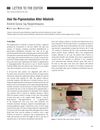
research Hair Re-Pigmentation After Nilotinib
Nilotinib may cause gray hair to return to its original color.