January 2022 in “Figshare” lncRNA MTC helps goat skin cells grow and may aid hair growth by controlling proteins linked to cell growth.
PMEE may help reverse greying hair by boosting melanin production.
 April 2017 in “Journal of Dermatological Science”
 B cells can both help and hinder the body's defense against melanoma.
 January 2017 in “Archives of clinical and biomedical research”
 Enhancing melanin's energy generation may help treat alopecia areata.
4 citations
,
January 2019 in “Micron” Fetal hair follicles have melanocytes with melanosomes at different stages, which are broken down into pigment particles in keratinocytes.
11 citations
,
January 1956 in “Journal of Investigative Dermatology” January 1992 in “Proceedings of the New Zealand Society of Animal Production” Ferret hair growth starts between 0 and 4 days after melatonin treatment, with cell growth peaking in the hair germ and declining as the hair matures.
 December 2025 in “Journal of Advanced Biotechnology and Experimental Therapeutics”
 Mesenchymal stem cells may help reduce melanin in UV-exposed mice.
 January 2012 in “heiDOK (Heidelberg University)”
 Dormant melanoma cells in mice interact minimally with memory T cells due to a suppressive tumor environment.
26 citations
,
October 1996 in “Journal of Endocrinology/Journal of endocrinology” Goat hair follicles have insulin-like growth factor-I receptors that might affect hair growth, but no melatonin receptors were found.
8 citations
,
September 2011 in “Scanning” Multiphoton microscopy effectively images mouse skin layers and structures.
January 2015 in “OpenBU/Boston University Institutional Repository (Boston University)” Neuropilin 2 may be a biomarker for melanoma and affects melanocyte behavior.
4 citations
,
January 2006 in “International Journal of Cosmetic Science” The method shows how hair lipids form specific patterns and their roles in hair structure.
 1 citations
,
December 2018 in “Journal of cutaneous pathology”
1 citations
,
December 2018 in “Journal of cutaneous pathology” Some skin growths with mucin can form hair follicles and resemble skin cancer, but a special stain can help tell them apart.

Human placental extract effectively and safely improves melasma, ulcers, and alopecia areata.
 37 citations
,
January 2016 in “Australasian Journal of Dermatology”
37 citations
,
January 2016 in “Australasian Journal of Dermatology” Scalp melanomas are more dangerous and often missed, needing earlier detection.
33 citations
,
January 2015 in “Journal of Ginseng Research” Ginsenoside Rg3 from Panax ginseng can lighten skin by reducing melanin production.
49 citations
,
July 2000 in “Journal of Histochemistry & Cytochemistry” POMC-derived peptides are important for skin functions like immune response and stress management.
 6 citations
,
April 2014 in “PubMed”
6 citations
,
April 2014 in “PubMed” A man got brown patches on his skin (melasma) after taking finasteride, a hair loss treatment.
January 2008 in “Linchuang pifuke zazhi” Betamethasone activates and increases the growth of certain skin cells from hair follicles.
September 2023 in “Journal of the American Academy of Dermatology” BAP1 mutations are rare in pediatric melanocytic tumors and may develop later in life.
 3 citations
,
July 2024 in “Annals of Biomedical Engineering”
3 citations
,
July 2024 in “Annals of Biomedical Engineering” Multiphoton microscopy can effectively detect early endometrial cancer by analyzing collagen changes.
 19 citations
,
April 2016 in “Experimental Dermatology”
19 citations
,
April 2016 in “Experimental Dermatology” Melanoblasts migrate to the skin using various pathways, and understanding this process could help with skin disease research.
 4 citations
,
August 2011 in “Aktuelle Dermatologie”
4 citations
,
August 2011 in “Aktuelle Dermatologie” Topical melatonin is a safe treatment that may reduce hair loss in people with androgenetic alopecia.
7 citations
,
June 2018 in “Archives of Rheumatology” A woman with lupus developed rare skin growths that went away on their own.
 November 2012 in “Actas Dermo-Sifiliográficas”
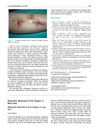
 An 86-year-old man had a rare tongue melanoma but refused treatment, showing the need for early cancer detection and treatment.
 January 2016 in “Journal of Investigative Dermatology”
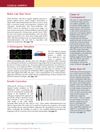
 Some cells may slow melanoma growth, a protein could affect skin pigmentation, a gene-silencing method might treat hair defects, skin bacteria changes likely result from eczema, and a defensin protein could help treat multiple sclerosis.
1 citations
,
April 2015 in “InTech eBooks” RAGE is a potential target for melanoma treatment, but its effectiveness is uncertain due to variable expression levels.
3 citations
,
August 2022 in “International Journal of Molecular Sciences” TSC2-/meth cells can cause skin lesions, hair growth, and lung issues, and may be treated with chromatin remodeling agents.
2 citations
,
September 2024 in “Animals” Key genes influence melanin in chicken muscles, affecting their value.