5 citations
,
November 1979 in “Archives of dermatology” Tretinoin cream successfully treated a woman's skin condition called Fox-Fordyce disease.
 12 citations
,
April 2005 in “Mycoses”
12 citations
,
April 2005 in “Mycoses” A 1-day or 3-day itraconazole treatment is effective for acute vulvovaginal candidosis, but recurrent cases may need longer treatment.

New acne treatments like clascoterone and minocycline foam are effective, and using antibiotics carefully is important to avoid resistance.
 5 citations
,
January 2024 in “Journal of the American Academy of Dermatology”
5 citations
,
January 2024 in “Journal of the American Academy of Dermatology” Use benzoyl peroxide, retinoids, antibiotics, and isotretinoin for acne, and combine treatments for better results.
 January 2026 in “Physical Education Health and Social Sciences”
 Combining probiotics, clotrimazole gel, and laser therapy improves treatment for recurrent yeast infections.
 October 2024 in “Iraqi postgraduate medical journal”
 Ciprofloxacin is slightly more effective than Clindamycin for reducing acne.
11 citations
,
July 1984 in “Australian Veterinary Journal” Some treatments worked for horse ringworm, but mass treatment should focus on stopping infection spread, not just hair regrowth.
 22 citations
,
March 2018 in “American Journal of Clinical Dermatology”
22 citations
,
March 2018 in “American Journal of Clinical Dermatology” New acne treatments show promise as alternatives to traditional therapies.
February 2023 in “Reactions Weekly” September 2010 in “Reactions weekly” The combination of tretinoin, minoxidil, and betamethasone valerate may cause severe scalp inflammation.
 9 citations
,
August 2024 in “Cureus”
9 citations
,
August 2024 in “Cureus” Ketoconazole shampoo is a safe and effective treatment for scalp seborrheic dermatitis.
February 2022 in “Institutional Repositories DataBase (IRDB)” Improper steroid use can cause skin issues like rosacea, which may improve after stopping the steroid and using benzoyl peroxide.
4 citations
,
July 2022 in “Clinical Cosmetic and Investigational Dermatology” Clascoterone 1% cream is a promising new treatment for acne.
 January 2024 in “Figshare”
 Turpentine ointment is an effective and safe treatment for folliculitis.
 3 citations
,
March 2019 in “Journal of Pigmentary Disorders”
3 citations
,
March 2019 in “Journal of Pigmentary Disorders” Clascoterone and minocycline are effective acne treatments with quick results and fewer side effects.
 16 citations
,
November 2023 in “Scientific Reports”
16 citations
,
November 2023 in “Scientific Reports” The niosomes effectively target hair follicles for acne treatment.
 April 2012 in “Journal of the American Academy of Dermatology”
 Clofazimine may be effective for treating ashy dermatosis.
3 citations
,
January 2000 in “Current Medical Research and Opinion” Eflornithine HCl 13.9% cream is safe for skin use with mild, temporary irritation.
 March 2026 in “Seven Editora eBooks”
 Testosterone creams and gels can be effective but have serious risks and should be used only with medical supervision.
133 citations
,
July 2006 in “International Journal of Dermatology” The cream effectively and safely reduces facial hair in women.
 1 citations
,
May 2024 in “Cureus”
1 citations
,
May 2024 in “Cureus” Combining oral isotretinoin and rifampicin effectively treats folliculitis decalvans.
 March 2025 in “Journal of Pakistan Association of Dermatologists”
 5% dapsone gel is more effective than 1% clindamycin gel for treating acne.
22 citations
,
November 1979 in “Archives of dermatology” A woman with Fox-Fordyce disease had symptom relief using tretinoin cream.
January 2012 in “Journal of Islamic International Medical College” Using topical steroids for acne is a bad idea and causes many skin problems.
 January 2026 in “Anti-Infective Agents”
 The new gel effectively treats scalp and beard fungal infections with fewer side effects.
 134 citations
,
January 2019 in “American journal of clinical dermatology”
134 citations
,
January 2019 in “American journal of clinical dermatology” Antibiotics can reduce acne but may lead to resistant bacteria, and understanding the skin's bacteria is important for treatment.
January 2023 in “Indian Dermatology Online Journal” Two newborns with rare skin infections were successfully treated with antifungal cream.
 22 citations
,
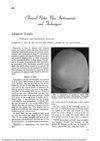
March 1963 in “Archives of dermatology”
22 citations
,
March 1963 in “Archives of dermatology” A woman regrew her hair significantly using a corticosteroid cream with a plastic cover.
 January 2025 in “Letters in Drug Design & Discovery”
 Ozonated olive oil may effectively treat fungal skin infections.
 February 2010 in “Journal of The American Academy of Dermatology”
 NB-002 is a promising new topical treatment for fungal nail infections, showing better results than a non-medicated option.