Search
for
Sort by
Research
330-360 / 1000+ results
research Frontal fibrosing alopecia: A new autoimmune entity?
Frontal Fibrosing Alopecia might be an autoimmune disease.
research Combination therapy with topical minoxidil and nano-microneedle-assisted fibroblast growth factor for male androgenetic alopecia: a randomized controlled trial in Chinese patients
Combining minoxidil and fibroblast growth factor is more effective for treating male hair loss than using either alone.

research Expression patterns of MITF during human cutaneous embryogenesis: evidence for bulge epithelial expression and persistence of dermal melanoblasts
Melanocyte precursors in human fetal skin follow a specific migration pattern and some remain in the skin's deeper layers.

research Efficacy and Safety of Rb‐bFGF in Hair Transplantation: A Prospective and Comparative Study
Rb-bFGF improves hair transplant results and patient satisfaction with fewer complications.
research Birt-Hogg-Dube Syndrome with a Novel Mutation in the FLCN Gene
A new mutation in the FLCN gene linked to Birt-Hogg-Dube syndrome was found, suggesting people with certain lung collapse should be tested for this mutation and screened for kidney and colon cancer.
research Melanocortins in fibroblast biology – current update and future perspective for dermatology
α-MSH may help treat skin inflammation and fibrosis.
research Solitary Basaloid Follicular Hamartoma: A Report of Two Cases.
Basaloid follicular hamartoma is a rare, benign skin growth often misdiagnosed.

research 1406 Environmental pathobiology of frontal fibrosing alopecia (FFA): A link between linalool sensitization and FFA development
Being allergic to linalool, a common fragrance ingredient, might contribute to developing frontal fibrosing alopecia.

research FEA-guided co-design of bubble microneedles: controlled tip separation for rapid transdermal and sublingual delivery
Bubble microneedles effectively deliver drugs through the skin and mouth, improving treatment speed and efficiency.
research Glabellar clinical and trichoscopic findings in patients with frontal fibrosing alopecia
Frontal fibrosing alopecia can be diagnosed by examining facial areas and treated with specific medications to stop its progression.
research Frontal Fibrosing Alopecia
Frontal fibrosing alopecia is a scarring hair loss condition mainly affecting postmenopausal women, with unclear causes.
research Defining pseudofolliculitis barbae in 2001: A review of the literature and current trends
Pseudofolliculitis barbae is a chronic skin condition affecting mainly African American and Hispanic individuals, caused by shaving tightly curled hair, and managed by prevention and treatment but not curable.

research FEA-guided co-design of bubble microneedles: controlled tip separation for rapid transdermal and sublingual delivery
Bubble microneedles effectively deliver drugs through skin and mouth, improving hair growth and lowering glucose.
research Trichofolliculoma With Mucinosis
A rare hair follicle tumor showed unusual high levels of mucin.
research Forensic skeletal and molecular anthropology face to face: Combining expertise for identification of human remains
Combining skeletal and molecular anthropology improves identifying human remains.
research 869 The specification of Merkel cell in the back skin and glabrous paw skin is controlled by FGFR2-meditated signaling
FGFR2 signaling controls Merkel cell formation in different skin regions.
research Steroid 5α-reductase inhibition by polymethoxyflavones
Certain natural compounds can block an enzyme linked to prostate enlargement and hair loss, showing potential for new treatments.
research A human serum‐enriched medium formulation supports high viability and marker expression in primary melanocyte cultures from the outer root sheath and epidermis
A human serum-enriched medium effectively supports melanocyte growth and activity without using animal-derived supplements.

research Health Utility of Facial Angiofibroma associated with Tuberous Sclerosis Complex
Moderate facial angiofibroma significantly reduces quality of life compared to almost-clear cases, highlighting the benefits of treatment.
research Comparison betweenMalasseziaFolliculitis and Non-MalasseziaFolliculitis
Malassezia folliculitis mainly affects the trunk in males and is better detected with d-PAS staining.

research Fibrosing Frontal Alopecia: A comprehensive study to understand its etiology
More research is needed to better understand and treat Fibrosing Frontal Alopecia.
research Frontal Fibrosing Alopecia: Successfully Treated with Methotrexate or Just the Natural Disease Progression?
Methotrexate may help stabilize frontal fibrosing alopecia.
research Voltammetric detection with a comprehensive electrochemistry study of minoxidil using nuclear magnetic resonance and infrared analyses: Applications in the forensic and pharmaceutical fields
A new, quick method accurately detects minoxidil in drugs and cosmetics.

research Frontal fibrosing alopecia: Iatrogenic endocrine disruption
Certain drugs and supplements may contribute to hair loss in the frontal hairline in older women.

research Frontal Fibrosing Alopecia in Men: A Review of the Literature
Frontal fibrosing alopecia in men is often misdiagnosed and needs better diagnostic criteria and treatments.
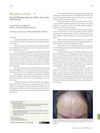
research Frontal fibrosing alopecia: follow-up of a brazilian group
Frontal fibrosing alopecia mostly affects postmenopausal women, with diagnosis often delayed by 3 years.
research Folliculosebaceous Cystic Hamartoma with Spindle Cell Lipomatous and Neural Components
A woman had a unique skin growth with hair follicle, oil glands, fat cells, spindle cells, and nerve fibers.

research Fgf21 Deficiency Delays Hair Follicle Cycling and Modulates miRNA–Target Gene Interactions in Mice
Lack of Fgf21 slows hair growth by affecting gene interactions.
research Three cases of postmenopausal frontal fibrosing alopecia
Cosmetic treatments can replenish key amino acids in damaged hair, improving its strength and appearance.