 April 2026 in “Frontiers in Cell and Developmental Biology”
 Hair follicles in mice help detect and respond to germs.
 February 2026 in “International Journal of Web of Multidisciplinary Studies”
 Restoring microbial balance and using exosome therapies may help treat hair disorders like alopecia and acne.
 January 2026 in “RSC Advances”
 The hydrogel speeds up diabetic wound healing and reduces scarring.
 December 2025 in “Al-Iraqia Medical College Journal”
 Virus infection risk is linked to heat tolerance and size, but decreases with high humidity and mutation rate.
 January 2025 in “Turkish Journal of Cerebrovascular Diseases”
 CARASIL can cause different symptoms even with the same genetic mutation.
 May 2024 in “International journal of science and research”
 Unani treatment significantly regrows hair in young adults with androgenetic alopecia.
 April 2024 in “Frontiers in cellular and infection microbiology”
 Blue light might help treat skin conditions by affecting the skin's bacteria.
 October 2023 in “bioRxiv (Cold Spring Harbor Laboratory)”
 A protein called EGFR protects hair follicle stem cells, and when it's disrupted, hair follicles can be damaged, but blocking certain pathways can restore hair growth.
 October 2023 in “International journal of biology, pharmacy and allied sciences”
 Henna helps wounds heal faster and better.
 September 2023 in “Mağallaẗ baġdād li-l-ʿulūm”
 Microbial communities in Duku plant roots vary between wet and dry habitats, affecting plant health.
 November 2022 in “Journal of Education, Health and Sport”
 The skin's bacteria might influence the development of a hair loss condition called alopecia areata.
 October 2022 in “Research Square (Research Square)”
 The conclusion is that certain chemicals from Bacillus subtilis help improve plant root growth through a hormone-related process.
 January 2014 in “Durham e-Theses (Durham University)”
 Notch1 helps skin heal by attracting cells that aid repair.
 December 2011 in “Asia-Pacific biotech news”
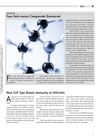
 In 2011, there were major scientific breakthroughs in cancer treatment, immunity, Parkinson's, virus simulation, schizophrenia, hair growth, lung cancer, and medical grafts.
 March 2005 in “International Journal of Cosmetic Science”
 DVI provides detailed 3D imaging of hair and shows how various products protect and enhance hair.
 March 2005 in “International Journal of Cosmetic Science”
 A new method helps understand hair shine and various products improve hair care.
 773 citations
,
August 2017 in “International Journal of Molecular Sciences”
773 citations
,
August 2017 in “International Journal of Molecular Sciences” The secretions of mesenchymal stem cells could be used for healing without using the cells themselves.
 425 citations
,
January 2021 in “SN Applied Sciences”
425 citations
,
January 2021 in “SN Applied Sciences” Alginate is great for tissue engineering because it's safe, easy to use, and helps heal tissues.
 421 citations
,
January 2015 in “Chemical Society Reviews”
421 citations
,
January 2015 in “Chemical Society Reviews” Improving artificial vascular grafts requires better materials and surface designs to reduce blood clotting and support blood vessel cell growth.
 141 citations
,
November 2005 in “International journal of pharmaceutics”
141 citations
,
November 2005 in “International journal of pharmaceutics” Hair follicles may soon be used more for targeted and systemic drug delivery.
 119 citations
,
March 2020 in “Frontiers in Bioengineering and Biotechnology”
119 citations
,
March 2020 in “Frontiers in Bioengineering and Biotechnology” Asia has made significant progress in tissue engineering and regenerative medicine, but wider clinical use requires more development.
 103 citations
,
January 2011 in “Blood”
103 citations
,
January 2011 in “Blood” Thymus transplantation successfully restored immune function in infants with FOXN1 deficiency.
 95 citations
,
July 2010 in “Genes & development”
95 citations
,
July 2010 in “Genes & development” Notch/CSL signaling controls hair follicle differentiation through Wnt5a and FoxN1.
 77 citations
,
April 2016 in “Science Advances”
77 citations
,
April 2016 in “Science Advances” Researchers created a fully functional, bioengineered skin system with hair from stem cells that successfully integrated when transplanted into mice.
 66 citations
,
May 2021 in “Science Advances”
66 citations
,
May 2021 in “Science Advances” Different scaffold patterns improve wound healing and immune response in mouse skin, with aligned patterns being particularly effective.
 66 citations
,
December 2014 in “Nature Communications”
66 citations
,
December 2014 in “Nature Communications” Fibroblasts can be turned into melanocytes for potential skin treatments.
 62 citations
,
November 2009 in “Aging Cell”
62 citations
,
November 2009 in “Aging Cell” Hedgehog signaling helps keep hair follicle stem cells the same in both young and old human skin.
 57 citations
,
June 2021 in “Polymers”
57 citations
,
June 2021 in “Polymers” Photothermal hydrogels are promising for infection control and tissue repair, and combining them with other treatments could improve results and lower costs.
 56 citations
,
March 2016 in “International Wound Journal”
56 citations
,
March 2016 in “International Wound Journal” Skin grafts are effective for chronic leg ulcers, especially autologous split-thickness grafts for venous ulcers, but more data is needed for diabetic ulcers.
 54 citations
,
August 2019 in “Bioscience trends”
54 citations
,
August 2019 in “Bioscience trends” Stem cells help repair tissue mainly by releasing beneficial substances, not by replacing damaged cells.