
Plakophilin 1 helps control skin cell immune responses to prevent excessive inflammation.
 November 2025 in “Research Review”
 Probiotics can help reduce acne and improve skin health.
 November 2025 in “Frontiers of Agricultural Science and Engineering”
 Rhizobacterial strain RT3 helps lettuce survive drought by producing protective substances like proline.
 May 2025 in “Journal of Food and Nutrition Research”
 Black wolfberry ferment may help regrow hair in cases of androgenetic alopecia.
 March 2025 in “Frontiers in Pharmacology”
 The hydrogel dressing rapidly heals wounds and promotes blood clotting better than existing options.
 January 2025 in “International Journal of Advanced Biochemistry Research”
 Alpha linolenic acid and linoleic acid help treat inflammatory skin conditions in dogs.
 January 2025 in “ARC Journal of Dermatology”
 Transgender youth on hormone therapy need personalized acne treatments and supportive care.
 December 2024 in “Mağallaẗ ʻulūm al-rāfidayn”
 Adding more zinc oxide nanoparticles increases sunblock SPF.
 September 2024 in “South Eastern European Journal of Public Health”
 Alopecia areata patients have higher IgE and IL-13 levels, suggesting immune involvement.
 July 2024 in “Frontiers in Microbiology”
 Data-driven methods can help understand microbiota's role in diseases and develop personalized treatments.
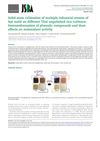 June 2024 in “Okayama University Scientific Achievement Repository (Okayama University)”
 Koji mold on unpolished Thai-colored rice boosts antioxidant activity more than on other rice types.
 April 2024 in “International Journal of Research in Medical Sciences”
 Demographic and lifestyle factors significantly influence scalp diseases.
 April 2024 in “The Egyptian Journal of Hospital Medicine ”
 Current treatments for androgenetic alopecia manage symptoms but don't cure it, and it affects social and psychological well-being.
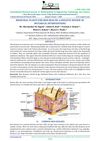 March 2024 in “International Research Journal Of Modernization In Engineering Technology And Science”
 Certain plants like Aloe vera and Neem are effective and safe for treating various skin conditions.
 February 2024 in “Bangladesh pharmaceutical journal”
 The conclusion is that the tested yogurts from Bangladesh are rich in vitamins thiamine and riboflavin, and the testing method is reliable.
 November 2023 in “The Bovine practitioner”
 A bull got very sick and had to be put down after eating hairy vetch for months.
Women with PCOS are at higher risk for gum disease, and managing shared risk factors can help both conditions.
 July 2023 in “Institutional Repositories DataBase (IRDB)”
 Malassezia species may contribute to hair loss in AGA patients.
 June 2023 in “Benha Journal of Applied Sciences”
 Acne is caused by multiple types of bacteria.
COVID-19 can cause skin problems and affect dermatology treatments, with recommendations for skin care and cautious use of certain drugs.
Tiny particles called extracellular vesicles show potential for improving skin health in cosmetics, but more research is needed to confirm their safety and effectiveness.
 January 2023 in “Discovery immunology”
 T cells and bacteria in the gut and skin help maintain health and protect against disease.
 June 2022 in “Journal of Experimental Biology and Agricultural Sciences”
 Most E. coli in broiler chickens are resistant to multiple antibiotics.
 December 2021 in “Benha Journal of Applied Sciences”
 Higher Claudin 3 levels in the blood are linked to more severe alopecia areata.
 March 2021 in “Actas Dermo-Sifiliográficas”
 The microbiome may be linked to hair loss and could be a target for new treatments.
 March 2021 in “Mansoura Veterinary Medical Journal /Mansoura Veterinary Medical Journal”
 Ringworm is a common, contagious fungal infection in dogs that can spread to humans and requires lengthy treatment.
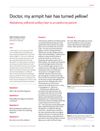
A 15-year-old boy's smelly, yellow armpit hair improved with clindamycin treatment.

Skin stem cells are crucial for maintaining and repairing skin, with potential for treating skin disorders and improving wound healing.
 January 2015 in “Indian Journal of Medical Biochemistry”
 Men with early balding should be checked for metabolic syndrome, as there's a link between the two.
 March 2014 in “CRC Press eBooks”
 Some nutrients and antioxidants may improve skin and hair health, but more research is needed to confirm these benefits.