132 citations
,
September 2021 in “Frontiers in Public Health” COVID-19 affects multiple body systems, not just the lungs.
16 citations
,
October 2024 in “Journal of Paediatrics and Child Health” Alopecia areata negatively affects the self-esteem and quality of life of children and teens.
6 citations
,
February 2021 in “Frontiers in Neurology” Cyclosporine-A can cause serious blood clots in the brain, so patients need careful monitoring.
2 citations
,
September 2019 in “Neurology Neuroimmunology & Neuroinflammation” IVIg treatment improved symptoms but caused permanent dark hair loss.
November 2024 in “Dermatology Online Journal” Dupilumab may help treat alopecia areata, but more research is needed.
 August 2024 in “Current Protocols”
 The C3H/HeJ mouse model is useful for studying and testing treatments for alopecia areata.
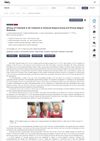
Tofacitinib may effectively treat hair loss and improve symptoms in autoimmune conditions like alopecia areata and Sjögren's syndrome, but long-term treatment might be necessary.
 February 2023 in “Global journal of health sciences and research”
 Zinc levels are not significantly linked to the presence or severity of alopecia areata.
 May 2022 in “Journal of the American Academy of Dermatology”
 The document suggests using a topical Vitamin D treatment for hair loss rather than oral supplements and calls for more research.
November 2025 in “Bioactive Materials” The cryogel effectively heals infected wounds and promotes tissue regeneration without scarring.