July 2026 in “Anales de la Facultad de Ciencias Médicas (Asunción)” Azathioprine can rarely cause hair loss, which improves after stopping the drug.
July 2026 in “Journal of Cosmetic Dermatology” Carboxytherapy improves the effectiveness of standard treatments for hair loss.
 June 2026 in “Korean Journal of Food Science and Technology”
 The fermented soybean-lactobacillus complex can boost hair growth and follicle formation.

Laser treatments effectively increase hair growth in hair loss conditions.
 March 2026 in “Asian Journal of Medical Sciences”
 Most adults with alopecia have some quality of life impairment, mainly minimal to moderate, and are treated with minoxidil.
March 2026 in “Journal of Cosmetic Dermatology” PRP shows promise for hair growth but needs standardized methods for better results.
 February 2026 in “Cureus”
 The Q-switched ruby laser effectively lightened eyebrow tattoos but may reduce eyebrow hair density.
January 2026 in “Clinical Dermatology Review” Platelet-rich plasma therapy improves hair growth and health in androgenetic alopecia better than some FDA-approved treatments.
 December 2025 in “JMIR Dermatology”
 Topical finasteride is well-tolerated and satisfies most users with minimal side effects.
 November 2025 in “International Journal of Molecular Sciences”
 Combining different drugs can improve hair loss treatment.
Simvastatin and Luteolin effectively reduce hair loss and promote hair growth.
 July 2025 in “Russian Journal of Skin and Venereal Diseases”
 Exosome therapy significantly increased hair density in androgenetic alopecia patients.
 July 2025 in “International Journal of Pharmaceutical Sciences Review and Research”
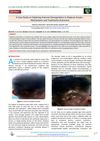
 Individualized treatment and psychological support improved the patient's quality of life and appearance despite medication side effects.

GLP-1 receptor agonists can cause skin and hair issues due to rapid weight loss, but these can be managed with proper care and treatments.
 February 2025 in “Brazilian Journal of Hair Health”
 A personalized combination treatment can effectively promote hair growth and stabilize hair loss in women with androgenetic alopecia.
 January 2025 in “Journal of Dermatological Treatment”
 Early treatment can help reverse hair loss caused by cosmetic fillers.
 January 2025 in “International Journal of Trichology”
 Topical alternatives like Redensyl, Procapil, onion juice, and rosemary oil may help with hair loss and have fewer side effects.
 January 2025 in “International Journal of Medical Arts”
 Topical sildenafil 1.0% may help increase hair count in female pattern hair loss.
 September 2024 in “Current Oncology”
 Docetaxel often causes hair loss, with limited effective treatments and no cure for permanent hair loss.
 September 2023 in “Journal of the Dermatology Nurses’ Association”
 Platelet-Rich Plasma (PRP) may be a safe and effective treatment for hair loss caused by Alopecia Areata.
 June 2023 in “International journal of science and research”
 PRP injections help hair regrowth safely but may need more research.
 April 2023 in “Revista colombiana de reumatología”
 JAK inhibitors like tofacitinib can effectively treat severe alopecia areata.
Minoxidil and finasteride are the only FDA-approved treatments for hair loss caused by genetic and hormonal factors, but their effectiveness is often doubted, indicating a need for new treatments.
December 2022 in “Zenodo (CERN European Organization for Nuclear Research)” Microneedling with minoxidil is most effective for reducing hair loss and increasing hair volume.
 November 2022 in “The Indian journal of chest diseases & allied sciences”
 Isoniazid can rarely cause hair loss, which is reversible after stopping the drug.
 April 2022 in “Jurnal Ilmiah Kesehatan Media Husada”
 Telogen effluvium is a common, reversible hair loss condition treatable with patient education and sometimes Minoxidil.
Trichosol™ with Minoxidil can boost hair growth by 20%.
 June 2017 in “Reactions Weekly”
 Some breast cancer treatments caused long-term hair loss in women, similar to a condition called alopecia areata.
 April 2017 in “Australasian Journal of Dermatology”
 The session covered updates on skin treatments, including radiotherapy, imiquimod, acitretin, JAK inhibitors, and strategies for managing rosacea and preventing surgical infections.
May 2015 in “Cancer research” After chemotherapy for early breast cancer, 33.4% of patients had long-term significant hair loss, with some hair regrowth over time, but treatments for hair loss were largely ineffective.