52 citations
,
January 2016 in “Brazilian Journal of Medical and Biological Research” Combining glycyrrhizin and UVB light is most effective for improving vitiligo.
3 citations
,
March 2013 in “QScience Connect” Photodynamic therapy with methylene blue and a laser effectively destroys hair follicles better than traditional laser hair removal.
144 citations
,
December 2017 in “Pigment cell & melanoma research” Melasma is now considered a skin aging disorder caused by sun exposure in people with a genetic tendency, which impacts treatment and prevention approaches.
2 citations
,
May 2018 in “Dermatologic Surgery” 
A portable imaging system shows promise for diagnosing skin diseases and checking laser treatment effects.
1 citations
,
April 2013 in “Journal of Investigative Dermatology”  63 citations
,
December 2002 in “Archives of Dermatology”
63 citations
,
December 2002 in “Archives of Dermatology” The 308-nm excimer laser is a promising treatment for vitiligo with varying success and mild side effects.
November 2025 in “Journal of Clinical Practice and Medical Research” For a natural "sun-kissed" look on dark-to-medium blonde hair, use a 2–3 level color difference, apply in three zones, and finish with acidic glossing.
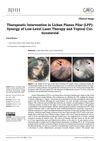 January 2024 in “Brazilian Journal of Hair Health”
 Combining low-level laser therapy with topical corticosteroids effectively improved Lichen Planopilaris symptoms.
 April 2021 in “Journal of Investigative Dermatology”
 Photobiomodulation therapy may help treat hair loss in people with darker skin, but more research is needed.

Low level laser or LED therapy combined with infiltrations may help hair growth.
 12 citations
,
January 2011 in “Photodermatology, photoimmunology & photomedicine”
12 citations
,
January 2011 in “Photodermatology, photoimmunology & photomedicine” This therapy effectively treats resistant alopecia areata with minimal side effects.
 7 citations
,
March 2019 in “Medicine”
7 citations
,
March 2019 in “Medicine” Combining light therapy and microneedling shows promise for treating female hair loss.
 26 citations
,
April 1999 in “Dermatologic Clinics”
26 citations
,
April 1999 in “Dermatologic Clinics” The long-pulsed alexandrite laser is effective for hair reduction, particularly for light-skinned individuals with dark hair, but caution is needed for darker skin.
 30 citations
,
September 2009 in “Seminars in Cutaneous Medicine and Surgery”
30 citations
,
September 2009 in “Seminars in Cutaneous Medicine and Surgery” Dermoscopy has greatly improved the diagnosis of skin lesions and our understanding of their morphology and biology.
5 citations
,
January 2019 in “Methods in molecular biology” Multiphoton microscopy can effectively image live cells in cornea, skin, and hair follicles over time.
 January 2024 in “Dermatology Review”
 Combining PRP with hydroquinone is more effective for treating melasma than using hydroquinone alone.
December 2022 in “Skin appendage disorders” Combining low-level light therapy with minoxidil helps hair regrowth better than using minoxidil alone, especially early on.
 November 2025 in “SKIN The Journal of Cutaneous Medicine”
 Low-level light therapy safely increases hair growth in various types of hair loss.
September 2023 in “Journal of the American Academy of Dermatology” The cosmetic product improved melasma and skin quality without causing irritation.
12 citations
,
September 2020 in “Nanomaterials” The new drug delivery system improves vitiligo treatment by enhancing melanocyte activity and viability.
 January 2015 in “Our Dermatology Online”
 Intralesional triamcinolone is the most effective treatment for hair regrowth in alopecia areata patients.
 50 citations
,
December 2010 in “Dermatologic Surgery”
50 citations
,
December 2010 in “Dermatologic Surgery” Laser treatment can stimulate hair growth for male pattern hair loss.
 May 2017 in “Journal of The American Academy of Dermatology”
 595 nm pulsed dye laser is a cost-effective treatment for nonmelanoma skin cancer with a low recurrence rate.
January 2015 in “Journal of cosmetics, dermatological sciences and applications” The combined technology safely and effectively removes hair at home on dark skin.
1 citations
,
December 2020 in “Medical lasers” The laser therapy device effectively increased hair growth in people with androgenetic alopecia.
 4 citations
,
May 2021 in “Lasers in Surgery and Medicine”
4 citations
,
May 2021 in “Lasers in Surgery and Medicine” Light therapy reduces scalp inflammation, boosts hair regrowth with Minoxidil 2%.
7 citations
,
August 2024 in “Skin Research and Technology” The study's findings are unreliable due to retraction.
 3 citations
,
May 2018 in “European Journal of Dermatology”
3 citations
,
May 2018 in “European Journal of Dermatology” Photodynamic therapy may not work for erythroplasia of Queyrat and could lead to invasive squamous cell carcinoma.
19 citations
,
August 2018 in “Journal of the American Academy of Dermatology” Both lasers are equally effective and safe for treating freckles.