 July 2026 in “Pharmacological Reports”
 Topical latanoprost acid may help hair growth in women with hair loss.
 July 2026 in “International Journal of Innovative Technologies in Social Science”
 Current treatments for keratosis pilaris provide temporary relief, but more research is needed for better solutions.
 June 2026 in “Barind Medical College Journal”
 Misuse of topical steroids worsens skin infections, causing unusual and severe symptoms.
STS01 1% effectively promotes hair regrowth with minimal side effects.
 April 2026 in “Journal of Pharmaceutical Innovation”
 Curcumin nanocrystal gel improves skin absorption and is safe and effective for topical use.
 December 2025 in “Saudi Pharmaceutical Journal”
 The new minoxidil formula speeds up hair growth effectively.
Magnetized saline water hydrogel helps heal pressure ulcers quickly in elderly patients.

The new minoxidil gel may improve hair loss treatment by staying on the scalp longer and penetrating better.
 July 2024 in “Forum Dermatologicum”
 Topical treatments for hair loss can be effective but need careful safety evaluation.
 July 2024 in “International Journal of Medical Arts”
 Latanoprost is more effective than minoxidil for treating alopecia areata.
 January 2024 in “Jurnal Ilmu Kesehatan Hewan”
 A mixed breed dog with skin issues improved significantly after treatment and needs to avoid dampness and certain bath products to prevent it from coming back.
 December 2023 in “International Journal of Advanced Research in Science, Communication and Technology”
 A reliable method was created to measure Minoxidil and Finasteride in a solution.
 December 2023 in “International journal of multidisciplinary research and analysis”
 SH-MSCs gel reduced IL-6 and increased TGF-β, suggesting it could treat alopecia.
 December 2023 in “International journal of multidisciplinary research and analysis”
 SH-MSCs gel can effectively treat alopecia by increasing IL-10 and decreasing TNF-α gene expression.
 November 2023 in “Dermatology Research and Reports”
 A stable ivermectin cream may effectively treat rosacea without long-term antibiotics.
 September 2023 in “International Journal of Applied Pharmaceutics”
 The formulated gel is a promising treatment for alopecia areata.
 June 2023 in “International Journal of Clinical Research and Reports”
 Method B with propylene glycol is better for stable low-concentration DPCP solutions for alopecia areata.
 June 2023 in “International Journal for Research in Applied Science and Engineering Technology”
 Emulgel improves skin delivery of various drugs better than traditional methods.
 November 2021 in “International journal of life science and pharma research”
 The new gel for psoriasis is effective, stable, and easy to apply.
 July 2021 in “International journal of dermatology, venereology and leprosy sciences”
 Diphenylcyclopropenone is more effective and has fewer side effects than dinitrochlorobenzene for treating alopecia areata.
 May 2015 in “Journal of The American Academy of Dermatology”
 5% minoxidil foam helps women with thinning hair.
 219 citations
,
March 2004 in “Journal of The American Academy of Dermatology”
219 citations
,
March 2004 in “Journal of The American Academy of Dermatology” 5% and 2% minoxidil solutions effectively promote hair growth and reduce hair loss, with 5% being slightly more effective but having more side effects.
 72 citations
,
December 2012 in “Expert Opinion on Drug Delivery”
72 citations
,
December 2012 in “Expert Opinion on Drug Delivery” Niosomes are promising for skin drug delivery, offering benefits like improved drug penetration and stability.
 45 citations
,
August 2011 in “Journal of Microencapsulation”
45 citations
,
August 2011 in “Journal of Microencapsulation” Chitosan microparticles improve minoxidil sulphate delivery, potentially reducing daily applications.
 34 citations
,
October 2014 in “European journal of pharmaceutics and biopharmaceutics”
34 citations
,
October 2014 in “European journal of pharmaceutics and biopharmaceutics” The new drug delivery system releases the drug better in sebum and targets follicles more effectively than the conventional cream.
 8 citations
,
October 2015 in “Asian Journal of Chemistry”
8 citations
,
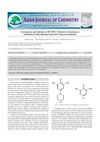
October 2015 in “Asian Journal of Chemistry” A new method was created to accurately measure minoxidil and aminexil in hair loss treatments.
 8 citations
,
April 1988 in “Journal of endocrinological investigation”
8 citations
,
April 1988 in “Journal of endocrinological investigation” Topical spironolactone cream doesn't cause hormone-related side effects in the body.
 1 citations
,
January 2015 in “Side effects of drugs annual”
1 citations
,
January 2015 in “Side effects of drugs annual” The document concludes that various dermatological treatments and drugs can cause skin reactions and side effects.
 January 2023 in “Vìsnik problem bìologìï ì medicini”
 Androgenic alopecia causes hair follicle degradation and skin restructuring, but some hair elements remain.
Tretinoin is used topically to treat acne, skin aging, and various skin conditions.