 October 2021 in “Dermatology Reports”
 Higher IL-17A levels indicate more severe alopecia areata.
 36 citations
,
November 2005 in “Journal of The American Academy of Dermatology”
36 citations
,
November 2005 in “Journal of The American Academy of Dermatology” Topical latanoprost doesn't effectively regrow hair in severe eyebrow alopecia areata cases.
 24 citations
,
June 2016 in “Acta dermato-venereologica”
24 citations
,
June 2016 in “Acta dermato-venereologica” Tofacitinib helped a young woman's severe hair loss and arthritis but not her plaque psoriasis.
 9 citations
,
January 2023 in “Dermatology and therapy”
9 citations
,
January 2023 in “Dermatology and therapy” A 14-year-old girl with severe hair loss regrew her hair using upadacitinib.
 1 citations
,
July 2023 in “Al-Azhar Medical Journal”
1 citations
,
July 2023 in “Al-Azhar Medical Journal” Higher antigliadin antibodies are linked to more severe alopecia areata, suggesting screening for celiac disease in these patients.
 30 citations
,
May 2016 in “Expert Opinion on Biological Therapy”
30 citations
,
May 2016 in “Expert Opinion on Biological Therapy” New treatments targeting immune pathways show promise for severe hair loss but need more research for safety and effectiveness.
 29 citations
,
March 2019 in “JEADV. Journal of the European Academy of Dermatology and Venereology/Journal of the European Academy of Dermatology and Venereology”
29 citations
,
March 2019 in “JEADV. Journal of the European Academy of Dermatology and Venereology/Journal of the European Academy of Dermatology and Venereology” Older age at onset of alopecia areata leads to less severe and shorter episodes, with most patients experiencing significant hair regrowth.
 11 citations
,
February 2021 in “Journal of Cosmetic Dermatology”
11 citations
,
February 2021 in “Journal of Cosmetic Dermatology” Oral tofacitinib helped regrow hair in over half of the patients with severe alopecia, but relapses and side effects were common.
 March 2026 in “Dermatology and Therapy”
 Distinct miRNA signatures could help diagnose and treat severe Alopecia Areata.
 2 citations
,
December 2018 in “Journal of cosmetic dermatology”
2 citations
,
December 2018 in “Journal of cosmetic dermatology” Higher CRBP1 levels are linked to more severe alopecia areata.
 May 2026 in “Nursing Reports”
 Slovak breast cancer survivors have moderate quality of life, with emotional and cognitive strengths but social and physical challenges, needing targeted support.
 68 citations
,
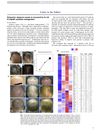
November 2015 in “The Journal of Allergy and Clinical Immunology”
68 citations
,
November 2015 in “The Journal of Allergy and Clinical Immunology” Blocking IL-12/IL-23p40 helped reverse severe hair loss in patients.
 April 2024 in “Journal of asthma and allergy”
 Abrocitinib effectively treated severe atopic dermatitis and mild alopecia areata in a 12-year-old boy after dupilumab failed.
 43 citations
,
November 2018 in “Nature Communications”
43 citations
,
November 2018 in “Nature Communications” Genetic variations affecting skin structure play a key role in severe acne.
9 citations
,
June 2025 in “Journal of Clinical Medicine” PRP is a promising and safe treatment for early to moderate knee osteoarthritis but needs standardized protocols.
 July 2026 in “Applied Sciences”
 Excimer laser therapy can help regrow hair in alopecia areata but is less effective for severe cases and has mixed results for cicatricial alopecia.
 1 citations
,
April 2017 in “Journal of Investigative Dermatology”
1 citations
,
April 2017 in “Journal of Investigative Dermatology” Tofacitinib may help regrow hair in severe alopecia areata, but results differ greatly between people.
 40 citations
,
June 2023 in “Dermatology and Therapy”
40 citations
,
June 2023 in “Dermatology and Therapy” Alopecia Areata causes emotional stress and stigma, but those with severe hair loss may adapt better.
 1 citations
,
September 2025 in “Clinical Cosmetic and Investigational Dermatology”
1 citations
,
September 2025 in “Clinical Cosmetic and Investigational Dermatology” Upadacitinib is effective and safe for treating severe Alopecia Areata in adolescents.
 1 citations
,
September 2023 in “Dermatology and Therapy”
1 citations
,
September 2023 in “Dermatology and Therapy” Baricitinib helps improve hair growth in severe alopecia, with better results in less severe cases and higher doses working faster.
 November 2025 in “Clinical Cosmetic and Investigational Dermatology”
 Tofacitinib is effective and safe for treating severe alopecia areata.
 29 citations
,
December 2017 in “International Journal of Dermatology”
29 citations
,
December 2017 in “International Journal of Dermatology” People with alopecia areata often have lower vitamin D levels, which are linked to more severe and longer-lasting hair loss, but vitamin D receptor levels in the skin don't show the same pattern and don't predict treatment success.
 182 citations
,
December 2017 in “Journal of the American Academy of Dermatology”
182 citations
,
December 2017 in “Journal of the American Academy of Dermatology” Some treatments can help with a hair loss condition called alopecia areata, but none ensure lasting results; choices depend on the person, with JAK inhibitors showing promise for severe cases.
 8 citations
,
May 2025 in “Dermatology and Therapy”
8 citations
,
May 2025 in “Dermatology and Therapy” Local corticosteroids can help with alopecia areata, but hair loss often returns after stopping treatment.
 1 citations
,
January 2023
1 citations
,
January 2023 Alopecia Areata significantly reduces quality of life, especially in women, long-term sufferers, and severe cases.
 February 2026 in “Frontiers in Immunology”
 Ivarmacitinib significantly improved hair regrowth in severe alopecia areata after tofacitinib was less effective.
 November 2025 in “SKIN The Journal of Cutaneous Medicine”
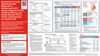
 Baricitinib significantly regrows hair in teens with severe alopecia areata.
 January 2025 in “Acta Dermatovenerologica Alpina Pannonica et Adriatica”
 Baricitinib is effective and safe for treating severe alopecia areata.
 April 2018 in “Journal of Investigative Dermatology”
 Both Th1 and Th2 immune responses are increased in alopecia areata, with Th2 response more strongly linked to how severe the disease is.
 67 citations
,
March 2021 in “Dermatology and Therapy”
67 citations
,
March 2021 in “Dermatology and Therapy” Alopecia areata greatly harms quality of life, causing emotional and social issues.