13 citations
,
February 2008 The new natural sindoor is safe, non-toxic, and eco-friendly.
Herbal hair dyes using plants like henna and beetroot are safer and can produce varied colors, with two-stage applications giving darker shades.
 January 2013 in “Transactions of the Materials Research Society of Japan”
 CMADK reduces hair damage from bleaching and permanent waving.
79 citations
,
January 1975 in “Food and Cosmetics Toxicology” The hair dye formulations tested did not cause long-term toxicity or cancer in mice.
 January 1963 in “Stain technology”
 Ziehl-Neelsen's stain helps identify different parts of hair in sheep and goats.
 12 citations
,
February 2010 in “Tetrahedron Letters”
12 citations
,
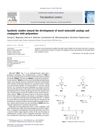
February 2010 in “Tetrahedron Letters” New minoxidil compounds with better water solubility were made, but their full effects and safety need more research.
 6 citations
,
March 1998 in “Textile Research Journal”
6 citations
,
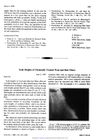
March 1998 in “Textile Research Journal” Chemical treatments can change the scale heights of wool and cashmere fibers, affecting their identification.

Plant-based dyes are a safe, effective, and eco-friendly alternative to synthetic dyes.
 January 2024 in “Authorea (Authorea)”
 Using laccase to add poly(tyrosine) to wool makes it less likely to shrink and stronger.
11 citations
,
January 2006 in “Journal of the American Leather Chemists Association” Oxidizing agents break down keratin in wool and hair, causing swelling and increased solubility.
 11 citations
,
June 2013 in “Journal of Chemical Education”
11 citations
,
June 2013 in “Journal of Chemical Education” Minoxidil detects nitrite in water, creating a simple, cheap test.
1 citations
,
June 2025 in “Journal of Cellular and Molecular Medicine” Plant-derived compounds may help reverse grey hair by boosting melanin production.
 12 citations
,
October 1954 in “Textile Research Journal”
12 citations
,
October 1954 in “Textile Research Journal” Hair absorbs alkali bromide salts and water, affecting its structure, with absorption decreasing at higher temperatures.
 April 2026 in “Cosmetics”
 The shampoo effectively covers gray hair gradually and maintains color after multiple washes.
29 citations
,
April 2011 in “Journal of Microscopy” The modified osmium method improves hair cortex staining for better visualization.
 9 citations
,
January 1989 in “Sen'i Gakkaishi”
9 citations
,
January 1989 in “Sen'i Gakkaishi” Wool and hair fibers absorb moisture similarly due to their keratin structure, with the amount of non-crystalline areas affecting the moisture uptake.
7 citations
,
March 1990 in “Pigment Cell Research” Certain chemicals cause hair graying in black mice but not yellow mice.
 2 citations
,
January 2017 in “Journal of Biotechnology Research Center”
2 citations
,
January 2017 in “Journal of Biotechnology Research Center” Hair dyes affect DNA analysis results, with the prepFiler kit working best for hair with follicles.
 14 citations
,
September 1954 in “Textile Research Journal”
14 citations
,
September 1954 in “Textile Research Journal” Hair absorbs different substances from solutions based on pH levels.
 34 citations
,
January 2012 in “Journal of Dermatological Science”
34 citations
,
January 2012 in “Journal of Dermatological Science” Hydrogen peroxide and monoethanolamine in hair dye can cause dermatitis and hair loss.

Camel hair textiles treated with Rose Bengal effectively kill bacteria under light.
 May 2026 in “Zenodo (CERN European Organization for Nuclear Research)”
 The herbal hair dye is a safe, effective, and natural alternative to chemical dyes.
1 citations
,
January 2017 in “Science” A new method was developed to create complex molecular knots using iron ions.
 March 2013 in “Molecular & Cellular Toxicology/Molecular & cellular toxicology”
 m-Aminophenol in hair dye can cause skin cell toxicity and stress responses.
August 2024 in “International Journal of Cosmetic Science” Acetyl zingerone methyl ether protects and extends hair color while improving hair health.
 May 2026 in “Zenodo (CERN European Organization for Nuclear Research)”
 The herbal hair dye with Barleria prionitis is a safe, effective, and natural alternative to chemical dyes.
 January 2022 in “Social Science Research Network”
 A special coating was made for artificial hair fibers that can slowly release silver ions for up to 56 days, providing long-term protection against bacteria and inflammation.
18 citations
,
January 1965 in “Stain Technology” 5 citations
,
January 2004 in “Journal of applied polymer science” Urea helps hair dye penetrate better and last longer.

A natural hair dye from cuttlefish ink and chitosan effectively colors hair black without harmful chemicals.