 1 citations
,
February 2013 in “InTech eBooks”
1 citations
,
February 2013 in “InTech eBooks” Genetic mutations cause various hair diseases, and whole genome sequencing may reveal more about these conditions.
July 2026 in “Pakistan BioMedical Journal” Social media heavily influences biotin overuse for beauty, stressing the need for better health education.
 April 2026 in “Stem Cell Research & Therapy”
 Regenerative treatments improve hair growth in androgenetic alopecia with mild side effects.
 July 2025 in “New Phytologist”
 MLO proteins help regulate calcium and ROS levels, promoting root hair growth in Arabidopsis.
 January 2023 in “European endocrinology”
 People with alopecia have a higher risk of thyroid cancer.
 August 2021 in “Research Square (Research Square)”
 Borneol Essential Oil could be a natural and safe acne treatment.

People with androgenic alopecia are more likely to have metabolic syndrome than healthy individuals.
September 2012 in “European journal of psychotraumatology” A new method accurately measures long-term hormone levels in hair.
October 2025 in “Frontiers in Pharmacology” Arctium lappa L. might help treat immune-related skin diseases, but more research is needed.
VDAC2 promotes cell death in cashmere goat hair follicles through the P53 pathway.
 May 2025 in “Galen Medical Journal”
 New targeted therapies for psoriasis show promise but face challenges like side effects and treatment resistance.
 April 2024 in “bioRxiv (Cold Spring Harbor Laboratory)”
 GRK2 is essential for healthy hair follicle function, and its absence can lead to hair loss and cysts.

Iron deficiency anemia can cause itching, which often improves with iron supplements.
 January 2023 in “Tehnika”
 Biomedical engineers are crucial for developing better treatments for chronic and autoimmune diseases.
 June 2022 in “Journal of the turkish academy of dermatology”
 People with plantar corns and calluses may have a higher chance of having metabolic syndrome.
April 2019 in “Journal of the Endocrine Society” Using LC-MS/MS for hormone measurement can prevent false high testosterone results and avoid unnecessary tests.
 April 2016 in “Annals of laboratory medicine”
 The method reliably profiles eicosanoids and shows epitestosterone reduces their levels, similar to common anti-inflammatory drugs.
 April 2012 in “Informa Healthcare eBooks”
 Lichen planopilaris is a rare, chronic condition causing hair loss, mainly in middle-aged women, and early treatment is important to prevent permanent baldness.
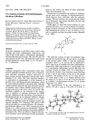 December 1998 in “Acta Crystallographica Section C-crystal Structure Communications”
 A new compound with strong antiandrogenic effects was found, potentially useful for treating conditions like acne and prostate cancer.
40 citations
,
January 2022 in “Nutrients” Diet can influence inflammatory skin diseases.
 14 citations
,
January 2018 in “Endocrinology and Metabolism”
14 citations
,
January 2018 in “Endocrinology and Metabolism” Many infertile women with PCOS in Central Vietnam have metabolic or insulin resistance syndrome, with obesity and older age increasing the risk.
9 citations
,
June 2023 in “Cells” Certain natural and synthetic compounds may help treat inflammatory skin diseases by targeting a specific signaling pathway.
7 citations
,
October 2024 in “Cells” Autophagy is essential for proper skin cell development and function.
 3 citations
,
April 2022 in “Bioengineering”
3 citations
,
April 2022 in “Bioengineering” Ultrasound can help deliver genes to cells to stimulate tissue regeneration and enhance hair growth, but more research is needed to perfect the method.
2 citations
,
November 2025 in “Pharmaceutics” Cell-mediated drug delivery systems improve skin disease treatment by using living cells for precise, prolonged, and less toxic therapy.

Iron deficiency worsens inflammatory skin diseases by disrupting iron balance and increasing inflammation.

Menopause-related skin changes may increase fungal infections and inflammation.

Removing SIX1 in fat cells reduces skin fibrosis.
 May 2023 in “Current Medicinal Chemistry”
 Microneedle patches improve drug delivery for skin treatments and cosmetic enhancements.
 January 2008 in “Durham e-Theses (Durham University)”
 Hair follicle stem cells are similar to mesenchymal stem cells and can become neural-like cells under certain conditions.