11 citations
,
September 2019 in “The journal of investigative dermatology/Journal of investigative dermatology” A specific group of skin stem cells was found to help maintain hair follicle cells.
9 citations
,
May 2022 in “Frontiers in Cellular Neuroscience” Mesenchymal stromal cell therapies show promise for treating various diseases but need more research and standardization.
8 citations
,
June 2023 in “Journal of clinical medicine” Nanofat shows promise for facial rejuvenation and treating skin issues but needs more research for long-term safety.
 8 citations
,
July 2022 in “Biomedicines”
8 citations
,
July 2022 in “Biomedicines” Autophagy helps keep skin healthy and may improve treatments for skin diseases.
5 citations
,
January 2024 in “Reproductive Medicine and Biology” Androgen and Wnt signals are crucial for developing and functioning male genitalia and erectile tissues.
5 citations
,
July 2023 in “Frontiers in Veterinary Science” Combining PRP and MSCs improves skin healing and structure.
 5 citations
,
February 2022 in “International Journal of Molecular Sciences”
5 citations
,
February 2022 in “International Journal of Molecular Sciences” Different immune cells like platelets, mast cells, neutrophils, macrophages, T cells, B cells, and innate lymphoid cells all play roles in skin wound healing, but more research is needed due to inconsistent results and the complex nature of the immune response.
4 citations
,
January 2023 in “Andrology” The testes produce sperm and hormones essential for male development.
 4 citations
,
October 2022 in “American journal of physiology. Heart and circulatory physiology”
4 citations
,
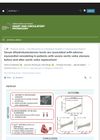
October 2022 in “American journal of physiology. Heart and circulatory physiology” Higher DHT levels are linked to worse heart changes in severe aortic valve stenosis patients.
2 citations
,
January 2025 in “International Journal of Molecular Sciences” Chitosan-encapsulated Cordyceps militaris reduces lung cell damage from pollution.
2 citations
,
September 2023 in “International journal of molecular sciences” Special proteins are important for skin balance, healing, and aging, and affect skin stem cells.
2 citations
,
June 2016 in “International journal of experimental pathology” Human skin has less GDNF and its receptor with age.
1 citations
,
July 2025 in “The Open Dermatology Journal” Tissue engineering in cosmetics offers safer, more effective products and ethical alternatives to animal testing.
1 citations
,
May 2024 in “International Journal of Molecular Sciences” Adenosine receptors could be promising targets for treating inflammatory skin diseases like psoriasis.
 1 citations
,
July 2023 in “International Journal of Molecular Sciences”
1 citations
,
July 2023 in “International Journal of Molecular Sciences” Treating fat stem cells with low oxygen boosts hair growth cell growth through specific signaling pathways.
 1 citations
,
June 2023 in “Cells”
1 citations
,
June 2023 in “Cells” Exosomes could be a promising way to help repair skin and treat skin disorders.
 1 citations
,
September 2022 in “Pharmaceutics”
1 citations
,
September 2022 in “Pharmaceutics” The stiffness of a wound affects hair growth during healing, with less stiff areas growing more hair.
 July 2026 in “Pharmaceuticals”
 Marine-derived polysaccharide nanofibers could improve wound healing but face challenges in becoming widely used.
 April 2026 in “International Journal of Molecular Sciences”
 Targeting non-Smad pathways in TGF-β signaling may improve keloid treatment.
 April 2026 in “International Journal of Molecular Sciences”
 Diabetic patients need tailored cosmetic treatments for skin aging, with new therapies showing promise.
 April 2026 in “International Journal of Molecular Sciences”
 Wnt signaling is crucial for skin, hair, and nail health and regeneration.
November 2025 in “Bioactive Materials” The cryogel effectively heals infected wounds and promotes tissue regeneration without scarring.
 October 2025 in “Gene Expression”
 Exosome therapy could be a promising new way to treat hair loss.
October 2025 in “International Journal of Molecular Sciences” Rebamipide may help regrow hair by activating hair follicle stem cells.
October 2025 in “Frontiers in Pharmacology” Arctium lappa L. might help treat immune-related skin diseases, but more research is needed.
August 2025 in “Materials Today Bio” The modified nanofibrous dressings effectively heal infected wounds by reducing bacteria and inflammation.
July 2025 in “Nano Research” Nanotechnology can improve tissue healing by controlling immune responses.
 January 2025 in “Burns & Trauma”
 Titanium dioxide nanoparticles can help heal wounds faster and better.
April 2024 in “Biomolecules” Exosomal miRNAs from stem cells can help improve skin health and delay aging.
 January 2024 in “Advanced Science”
 New microspheres help heal skin wounds and regrow hair without scarring.