The new treatment regimen was effective in promoting significant hair growth in all 15 male patients with androgenic alopecia.
21 citations
,
March 2018 in “American Journal Of Pathology” Mutations in NIPAL4 cause skin issues by disrupting lipid layers, but some improvement is seen with topical treatment.
 June 2024 in “JEADV Clinical Practice”
 Severe alopecia areata patients have a low chance of spontaneous hair regrowth.
June 2026 in “Journal of Dermatological Science” N,N-Dimethylglycine sodium salt helps prevent hair loss and promotes hair growth.
3 citations
,
August 2014 in “International Research Journal of Pharmacy” Nasal therapy with sesame oil and head massage with neem oil effectively reduce dandruff.
October 2024 in “International Journal of Pharmaceutics” Finasteride in lipid carriers improved hair growth in rats.
 10 citations
,
March 2016 in “Journal of The American Academy of Dermatology”
10 citations
,
March 2016 in “Journal of The American Academy of Dermatology” Antiandrogenic drugs could be a good treatment option for frontal fibrosing alopecia.
July 2024 in “Clinical Case Reports” Recognizing rare hair loss patterns in young females can improve understanding and treatment.
 24 citations
,
October 2018 in “JAAD Case Reports”
24 citations
,
October 2018 in “JAAD Case Reports” A woman's eyelash regrowth was successful using tofacitinib solution for alopecia areata.
 1 citations
,
December 2024 in “Dermatology and Therapy”
1 citations
,
December 2024 in “Dermatology and Therapy” The STRIAA tool helps doctors quickly and effectively assess the severity of Alopecia Areata.
8 citations
,
June 2023 in “Journal of clinical medicine” Nanofat shows promise for facial rejuvenation and treating skin issues but needs more research for long-term safety.
January 2026 in “Queensland University of Technology” Dietetic-led cognitive-behavioral therapy may improve treatment for adults with ARFID.
Nepenthes kampotiana extract can potentially prevent hair loss and could be an effective treatment for common baldness.

Acupuncture may help with hair regrowth in alopecia areata, but more research is needed.
3 citations
,
May 2025 in “Carbohydrate Polymers” The new microneedle patch effectively treats alopecia areata with fewer side effects than oral medication.
 3 citations
,
August 2015 in “Acta Scientiarum Biological Sciences”
3 citations
,
August 2015 in “Acta Scientiarum Biological Sciences” Neem extract is safe for pregnant or lactating rats at tested doses.
 January 2017 in “Journal of clinical & experimental dermatology research”
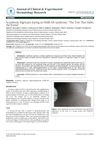
 The case shows skin changes can indicate deeper health issues like insulin resistance, which are challenging to manage.
January 2026 in “International journal of Indian medicine” Ayurvedic treatment can effectively regrow hair in alopecia areata without side effects.
May 2025 in “VETERINARY SCIENCE TECHNOLOGIES OF ANIMAL HUSBANDRY AND NATURE MANAGEMENT” Poor-quality feed and low vitamin A cause reproductive issues in nutrias.
April 2018 in “DSpace@MIT (Massachusetts Institute of Technology)” Nephronectin is linked to worse outcomes in breast cancer and helps cancer spread.
 July 2018 in “British Journal of Dermatology”
 Hair regrowth was seen in 83% of children with alopecia, immune system plays a role in the condition, and various treatments showed effectiveness for hair and nail disorders.
 1 citations
,
September 2025 in “Clinical Cosmetic and Investigational Dermatology”
1 citations
,
September 2025 in “Clinical Cosmetic and Investigational Dermatology” Upadacitinib is effective and safe for treating severe Alopecia Areata in adolescents.
June 2025 in “British Journal of Dermatology” Nail abnormalities in children can indicate deeper health issues.
3 citations
,
January 2016 NuMA-microtubule interactions are crucial for proper skin structure and hair growth.
December 2025 in “Journal of Ayurveda and Integrated Medical Sciences” Modern lifestyle factors like stress and pollution cause premature greying of hair.
2 citations
,
March 2023 in “Journal of Public Health in Africa” Combining beeswax and oleum cacao in the carrier system boosts hair growth.
Doctors should consider Netherton syndrome in patients with chronic skin and hair issues to avoid misdiagnosis.
 April 2017 in “IOSR journal of dental and medical sciences”
 Netherton Syndrome is a non-treatable genetic disorder in children causing skin, hair, and allergy issues.
 October 2024 in “Journal of the Endocrine Society”
 Certain genetic variants reduce enzyme activity, contributing to non-classic congenital adrenal hyperplasia.
 May 2023 in “International Journal of Trichology”
 Tofacitinib may be an effective and safe treatment for hair loss in teenagers with alopecia areata.