 January 2025 in “International Journal of Dermatology Sciences”
 Nail changes in alopecia areata are common and may indicate severity and genetic risk.
45 citations
,
January 2018 in “International Journal of Dermatology” Nail problems are common in people with alopecia areata, often leading to cosmetic and functional issues, but more research is needed for treatment guidelines.
 56 citations
,
August 2020 in “American Journal of Clinical Dermatology”
56 citations
,
August 2020 in “American Journal of Clinical Dermatology” New tools help assess eyebrow, eyelash, and nail changes in Alopecia Areata, improving understanding of patient experiences.
 19 citations
,
January 2018
19 citations
,
January 2018 Most people with alopecia areata have nail changes, which are common but don't greatly affect their quality of life.
 9 citations
,
April 2018 in “Journal of Dermatological Treatment”
9 citations
,
April 2018 in “Journal of Dermatological Treatment” Tofacitinib improves nail conditions in patients with severe hair loss and does not affect hair regrowth.
6 citations
,
April 2024 in “Health Science Reports” Younger patients with severe alopecia areata often have nail problems.
 March 2026 in “Scholars Journal of Medical Case Reports”
 Nail issues are common in kids with alopecia areata and should be checked for better diagnosis.
 January 2026 in “Dermatology Practical & Conceptual”
 Nail changes are common in alopecia areata and can indicate its severity.
 January 2024 in “Case Reports in Dermatological Medicine”
 Baricitinib may effectively treat nail changes in alopecia areata.
 November 2018 in “The European research journal”
 RDW can be a useful marker for inflammation in alopecia areata patients.
2 citations
,
January 2024 in “BioMed Research International” Patients with alopecia areata and eosinophilia have more nail issues and severe hair loss.
July 2026 in “Skin Appendage Disorders” Nail changes are common in kids with long-lasting alopecia areata.

Nail involvement is common in children with long-term alopecia areata, regardless of scalp severity.

Nail changes in kids with stubborn alopecia areata often happen with longer illness but aren't linked to how much hair is lost.
2 citations
,
June 2023 in “Clinical and Experimental Neuroimmunology” Thymoma may link myasthenia gravis, nail dystrophy, and alopecia areata.
 April 2019 in “International journal of research in dermatology”
 A child with rough nails also had hair loss and allergies.
44 citations
,
May 1980 in “Archives of Dermatology” "20-nail dystrophy" can have multiple causes.
 3 citations
,
January 2019 in “Annals of dermatology/Annals of Dermatology”
3 citations
,
January 2019 in “Annals of dermatology/Annals of Dermatology” Hydroxychloroquine effectively treated twenty-nail dystrophy in a patient with alopecia areata.
 February 2026 in “Clinical Drug Investigation”
 Baricitinib significantly improves nail and hair symptoms in severe alopecia areata.
 26 citations
,
October 2016 in “Case Reports in Dermatology”
26 citations
,
October 2016 in “Case Reports in Dermatology” A man with severe hair loss saw hair and nail improvement after 10 months on tofacitinib without side effects.
 September 2023 in “SKIN The Journal of Cutaneous Medicine”
 Talquetamab may cause hair loss and skin issues.
 48 citations
,
May 1999 in “International Journal of Dermatology”
48 citations
,
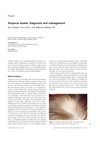
May 1999 in “International Journal of Dermatology” Alopecia areata is an unpredictable autoimmune hair loss condition, treated based on severity, with half of patients regrowing hair within a year without treatment.
29 citations
,
December 2019 in “Expert review of clinical pharmacology” JAK inhibitors are a promising new treatment for hair loss and nail problems in alopecia areata.
 3 citations
,
December 2018 in “Journal of Pakistan Association of Dermatology”
3 citations
,
December 2018 in “Journal of Pakistan Association of Dermatology” Alopecia areata mainly affects young people, often showing as patchy hair loss on the scalp.
 1 citations
,
February 2020 in “International Journal of Research in Dermatology”
1 citations
,
February 2020 in “International Journal of Research in Dermatology” Scalp alopecia areata mostly affects young adult males, often starts suddenly, and usually presents as single, patchy lesions.
21 citations
,
February 2024 in “JAMA Dermatology” Alopecia areata severity is influenced by factors like long disease duration, relapses, treatment response, and mental health, leading to the creation of a new severity measurement tool.
 1 citations
,
October 2020 in “International Journal of Research in Dermatology”
1 citations
,
October 2020 in “International Journal of Research in Dermatology” The study concluded that short vellus hair and yellow dots were the most common signs of alopecia areata, indicating disease activity and remission.
August 2025 in “Medical Journal of Armed Police Force Nepal” Alopecia areata is more common in males, mostly affects the scalp, and often appears as patchy hair loss.
January 2015 in “Journal of Practical Dermatology” Younger children with alopecia areata often experience more severe hair loss and longer illness, with allergies and nutrient deficiencies playing a role.
 87 citations
,
December 2016 in “British journal of dermatology/British journal of dermatology, Supplement”
87 citations
,
December 2016 in “British journal of dermatology/British journal of dermatology, Supplement” Cancer patients treated with immune checkpoint inhibitors may develop alopecia, but some hair regrowth is possible with treatment.