 41 citations
,
December 2015 in “JAMA Dermatology”
41 citations
,
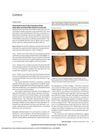
December 2015 in “JAMA Dermatology” Tofacitinib citrate improved nail dystrophy and pain in patients with alopecia universalis without causing side effects.
40 citations
,
June 2021 in “Clinical, cosmetic and investigational dermatology” JAK inhibitors show promise in effectively treating hair loss from alopecia areata.
14 citations
,
September 2021 in “Journal of Inflammation Research” Alopecia areata patients, especially women with nail issues or atopic diseases, are at higher risk for other autoimmune diseases.
10 citations
,
January 2013 in “International Journal of Trichology” Systemic steroids effectively treated severe nail issues in a card illusionist with alopecia areata.
 4 citations
,
January 2022 in “Drug design, development and therapy”
4 citations
,
January 2022 in “Drug design, development and therapy” Intramuscular corticosteroids are effective and safe for severe alopecia areata, with most patients regrowing hair, but nearly half may relapse.
3 citations
,
January 2018 in “Skin Appendage Disorders” Nail issues are common in alopecia areata patients.
2 citations
,
June 2024 in “Journal of Clinical Medicine” Alopecia Areata can affect nails, often improving on its own, but JAK inhibitors may help.
2 citations
,
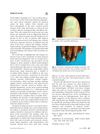
February 2021 in “PubMed” Koilonychia in alopecia areata can improve with oral corticosteroids.
 2 citations
,
June 2018 in “Journal of the American Academy of Dermatology”
2 citations
,
June 2018 in “Journal of the American Academy of Dermatology” Alopecia areata causes varying hair loss and nail changes, and treatments include topical, systemic, and injectable therapies.
1 citations
,
May 2022 in “British Journal of Dermatology” The instruments are valid but don't fully capture the emotional impact on adolescents with alopecia areata.
 1 citations
,
December 2013 in “Journal of Evolution of Medical and Dental Sciences”
1 citations
,
December 2013 in “Journal of Evolution of Medical and Dental Sciences” Alopecia areata causes patchy hair loss due to unknown factors, affecting all ages and genders.
 July 2025 in “Berkala Ilmu Kesehatan Kulit dan Kelamin”
 Alopecia areata in children shows varied symptoms and may involve nails, needing further evaluation for other health issues.
 October 2024 in “La Tunisie Médicale”
 Over half of alopecia areata patients in Tunisia experience depression, highlighting the need for psychological support.
 January 2024 in “Dermatology Practical & Conceptual”
 Spotted lunula may help identify alopecia areata.
 October 2021 in “Dermatology Reports”
 Higher IL-17A levels indicate more severe alopecia areata.
275 citations
,
November 2002 in “International Journal of Dermatology” Alopecia areata mainly affects young people and has significant psychological impacts, especially in males.
 109 citations
,
May 2011 in “Dermatologic Therapy”
109 citations
,
May 2011 in “Dermatologic Therapy” Alopecia areata is a type of hair loss that can lead to complete baldness, often associated with other autoimmune conditions, and half of the cases may see hair return within a year.
 29 citations
,
October 2012 in “Anais Brasileiros De Dermatologia”
29 citations
,
October 2012 in “Anais Brasileiros De Dermatologia” Diagnosing hair loss disorders needs clinical, dermoscopic, and histological differences, and checking menstrual cycle, weight changes, drug therapy, and nail changes.
 27 citations
,
December 2015 in “Clinical and Experimental Dermatology”
27 citations
,
December 2015 in “Clinical and Experimental Dermatology” Diphencyprone helped most patients with alopecia areata regrow some hair.
 13 citations
,
November 2012 in “Journal of The European Academy of Dermatology and Venereology”
13 citations
,
November 2012 in “Journal of The European Academy of Dermatology and Venereology” Certain factors like allergies, nail problems, and hair loss patterns can predict how well someone with patchy hair loss will respond to skin cream treatments.
 10 citations
,
January 2013 in “Faṣlnāmah-i bīmārīhā-yi pūst”
10 citations
,
January 2013 in “Faṣlnāmah-i bīmārīhā-yi pūst” Vitamin D levels are not linked to alopecia areata.
 7 citations
,
December 2016 in “British Journal of Dermatology”
7 citations
,
December 2016 in “British Journal of Dermatology” The report suggests that hair loss in Cronkhite-Canada syndrome may be caused by alopecia areata incognita, as shown by a patient's improvement with treatment.
 3 citations
,
October 2020 in “Journal of Investigative Dermatology Symposium Proceedings”
3 citations
,
October 2020 in “Journal of Investigative Dermatology Symposium Proceedings” The main goal for new Alopecia Areata treatments should be significant improvement in scalp hair growth.
 2 citations
,
January 2020 in “Skin appendage disorders”
2 citations
,
January 2020 in “Skin appendage disorders” Early onset, severe types, nail changes, family history, and body hair loss worsen alopecia areata prognosis; sticking to treatment helps.
 2 citations
,
February 2014 in “Hair therapy & transplantation”
2 citations
,
February 2014 in “Hair therapy & transplantation” Alopecia Areata is an autoimmune condition causing hair loss, influenced by genetics, environment, and possibly improved by anti-MIF therapy, with many patients experiencing regrowth within a year.
2 citations
,
January 1996 in “Annals of saudi medicine/Annals of Saudi medicine” Alopecia areata is unpredictable, with limited treatment effectiveness, especially in severe cases.
1 citations
,
December 2023 in “Experimental Dermatology” Children with alopecia areata before age 4 may have better short-term hair regrowth.
1 citations
,
September 2021 in “DOAJ (DOAJ: Directory of Open Access Journals)” Alopecia areata patients often have other autoimmune diseases, especially women with nail issues or atopic diseases.
1 citations
,
September 2014 in “Turkish Journal of Dermatology” Alopecia areata severity in children is linked to atopy history, disease duration, and nail involvement, but not anemia.
July 2024 in “Journal of Pakistan Association of Dermatologists” Alopecia areata mainly affects young people, and dermoscopy helps diagnose and assess its severity.