 8 citations
,
January 2000
8 citations
,
January 2000 Terbinafine effectively stops fungal invasion of human keratin.
7 citations
,
October 2024 in “Cells” Autophagy is essential for proper skin cell development and function.
 7 citations
,
August 2005 in “British Journal of Dermatology”
7 citations
,
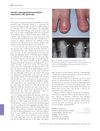
August 2005 in “British Journal of Dermatology” Etanercept improved symptoms of a specific type of psoriatic arthritis in a patient who didn't respond to other treatments.
7 citations
,
March 1986 in “British Veterinary Journal” Canine skin has two main layers: the epidermis and dermis, with a supportive subcutis layer.
6 citations
,
March 2024 in “Therapeutic Delivery” Nanoparticle drug delivery could improve alopecia areata treatment.
4 citations
,
March 2025 in “Pediatric Dermatology” Pediatric alopecia areata needs more research to understand its characteristics and related conditions.
 4 citations
,
February 2011 in “Dermatology reports”
4 citations
,
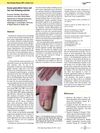
February 2011 in “Dermatology reports” Acitretin can cause excess tissue growth and hair loss.
3 citations
,
February 2010 in “PubMed” Higher protein intake might be linked to hair loss.
 2 citations
,
December 2023 in “Journal of clinical immunology”
2 citations
,
December 2023 in “Journal of clinical immunology” Ruxolitinib significantly improves multiple autoimmune conditions in APS-1 patients.
 2 citations
,
October 2018 in “Springer eBooks”
2 citations
,
October 2018 in “Springer eBooks” Cancer treatments can cause skin-related side effects that may affect patient quality of life and require changes in treatment.
2 citations
,
September 2004 in “Experimental Dermatology” Keratinocyte adhesion problems can cause skin and hair disorders.
2 citations
,
January 2002 in “PubMed” Proper identification of dermatophytes is crucial for diagnosing and treating infections like athlete's foot and ringworm.
1 citations
,
October 2022 in “The American Journal of Gastroenterology” Chronic arsenic exposure can cause liver damage and other health issues.
June 2026 in “Clinical Case Reports” Topical minoxidil and tretinoin improved hair growth in a girl with EDSS1 over two years.
 March 2026 in “American Journal of Clinical Dermatology”
 Cancer survivors need better skin care to improve their quality of life.
December 2025 in “Biomedicines” Tyrosine kinase inhibitors for endocrine tumors often cause skin issues, requiring early management and treatment adjustments.
December 2025 in “JGH Open” Early diagnosis and treatment with corticosteroids can improve outcomes in Cronkhite–Canada syndrome.
April 2025 in “International Journal of Dermatology” Renaming frontal fibrosing alopecia to a syndrome could improve diagnosis and treatment.
Skin issues are common in kids with chronic kidney disease.
August 2024 in “Australasian Journal of Dermatology” Australia needs better dermatological guidelines for gender-diverse patients.
September 2023 in “Journal of the American Academy of Dermatology” Spanish speakers with limited English search most for "pigmentation/dark spots."
 April 2023 in “Research Society and Development”
 Corticosteroids are safe and effective for treating Alopecia Areata.
 September 2022 in “JAAD case reports”
 The man has a genetic skin condition called pachyonychia congenita.
 October 2021 in “Interfaces Científicas”
 Nutricosmetics for hair treatment often contain biotin, pyridoxine, zinc, and other nutrients, but more research and professional guidance are needed for their use.
November 2019 in “European journal of internal medicine” A Laotian man with unusual skin changes and multiple growths in his gut was diagnosed with Cronkhite-Canada Syndrome and improved with nutritional and immune-based treatments.
 June 2015 in “Journal of the turkish academy of dermatology”
 Eating the right foods is important for skin health and can help treat some skin conditions.
Skin changes throughout life, from development before birth to aging effects like wrinkles, influenced by both genetics and environment.
September 2014 in “Journal of the American Academy of Dermatology” The girl likely has Loose anagen hair syndrome, which may improve on its own or with minoxidil.
 March 2014 in “CRC Press eBooks”
 Some nutrients and antioxidants may improve skin and hair health, but more research is needed to confirm these benefits.
 January 2014 in “Pathology”
 Non-scarring hair loss can be diagnosed with two 4mm punch biopsies, one cut vertically and the other transversely.