Search
for
Sort by
Research
870-900 / 1000+ results
research Solid lipid nanoparticles: a promising technology for delivery of poorly water-soluble drugs
Solid lipid nanoparticles can improve how well drugs that don't dissolve in water work and are safe.

research Hair follicles as a target structure for nanoparticles
Nanoparticles around 600-700 nm can effectively enter and stay in hair follicles for days, which may help in delivering drugs to specific cells.
research Microneedle mediated transdermal delivery of β-sitosterol loaded nanostructured lipid nanoparticles for androgenic alopecia
The microneedle system effectively promotes hair growth for treating androgenic alopecia.
research Bioorthogonal Click-Engineered Microneedle Patch Enables Adeno-Associated Virus-Mediated Dermal Acidic Fibroblast Growth Factor Expression for Hair Loss Treatment
A new microneedle patch effectively treats hair loss by delivering growth factors to the skin.
research Finasteride-loaded nano-lipidic carriers for follicular drug delivery: preformulation screening and Box-Behnken experimental design for optimization of variables
Optimized carriers effectively deliver Finasteride for hair loss treatment.
research Far-field RF-powered closed-loop bioelectronic system for enhanced wound healing and connected healthcare
A wireless, battery-free system uses Wi-Fi signals to enhance wound healing and enable smart healthcare at home.

research Nanozyme-loaded needles spur hair regrowth
Scientists have created a patch filled with tiny enzymes that can treat hair loss and regrow hair as effectively as common hair-loss drugs, but with fewer applications.

research Back cover
A new treatment using special microneedles and a nitric oxide-releasing drug could improve hair growth and be more convenient for people with hair loss.

research Histological evaluation of follicular delivery of arginine via nanostructured lipid carriers: a novel potential approach for the treatment of alopecia
Using tiny fat particles to deliver arginine to hair follicles could be a new way to treat hair loss.
research Do nanoparticles have a future in dermal drug delivery?
Nanoparticles can improve drug delivery to hair follicles but struggle to penetrate deeper skin layers.
research Dissolving Microneedle Patch Integrated with Microspheres for Long-Acting Hair Regrowth Therapy
A new microneedle patch can help regrow hair over a long time.
research Solid Lipid Nanoparticles (SLN): Method, Characterization and Applications
Solid lipid nanoparticles are promising for delivering various drugs and improving treatment effectiveness.
research Microneedles in cosmetology: A SWOT analysis
Cosmetic microneedles are promising for precise treatments but face challenges like skin damage and regulations.

research Dissolving microneedles: Applications and growing therapeutic potential
Dissolving microneedles show promise for delivering medication through the skin but face challenges like manufacturing complexity and regulatory hurdles.
research PULMONARY DELIVERY OF RESVERATROL-LOADED NANOCOMPOSITE MICROPARTICLES TO TREAT LUNG CANCER
Resveratrol-loaded nanoparticles show promise for lung cancer treatment.

research Wearable textile-based phototherapy platform with customized NIR OLEDs toward non-invasive hair loss treatment
A wearable device using NIR light may help treat hair loss non-invasively.

research Skin Targeting of An Optimized Caffeine Nanostructured Lipid Carrier With Improved Efficiency Against Chemotherapy Induced Alopecia
The new caffeine cream works better for hair growth than existing products.
research Nanoethosomes for Dermal Delivery of Lidocaine
Nanoethosomes can improve the skin penetration of Lidocaine for topical use.
research Microemulsions as a Surrogate Carrier for Dermal Drug Delivery
Microemulsions can effectively deliver drugs through the skin but require careful ingredient selection to avoid irritation.
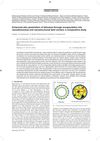
research Enhanced skin penetration of lidocaine through encapsulation into nanoethosomes and nanostructured lipid carriers: a comparative study
Nanostructured lipid carriers deliver lidocaine to the skin better than nanoethosomes.

research An antimicrobial microneedle patch promotes functional healing of infected wounds through controlled release of adipose tissue-derived apoptotic vesicles
The microneedle patch helps heal infected wounds quickly and without scars.

research Recommended Articles
New technologies in acupuncture and biosensors show promise for better medical treatments and healing.
research Advances in Lipid Nanoparticle‐Based Disease Treatment
Lipid nanoparticles improve treatment delivery and are key to future therapies, but challenges in manufacturing and safety remain.

research Recent advances in cellulose nanocrystals-based sensors: A review
Cellulose nanocrystals are promising for making effective, sustainable sensors for various uses.
research Nanogenerators in Biomedical Frontiers: Revolutionizing Self-Powered Healthcare Systems
Self-powered nanogenerators could revolutionize healthcare by enabling devices that operate without external power.

research Niosomes as a propitious carrier for topical drug delivery
Niosomes are promising for skin drug delivery, offering benefits like improved drug penetration and stability.
research The penetration efficiency of a dissolved model drug into hair follicles depends on the concentration of added nanoparticles
A 4% nanoparticle concentration and 4 Hz massage improve drug delivery into hair follicles.

research Oil-in-Water型ナノエマルションに基づく局所経皮送達システムに関する研究
The nanoemulsion system effectively delivers drugs through the skin and shows promise for treating skin conditions.
research Gelatin nanoparticles & nanocrystals for dermal delivery
Improved methods create smaller, more effective gelatin nanoparticles for skin delivery, and new caffeine nanocrystals enhance absorption and effectiveness.