 11 citations
,
September 1996 in “Neuroscience letters”
11 citations
,
September 1996 in “Neuroscience letters” Adding fetal calf serum helps Merkel cells survive and change shape.
 September 2025 in “Experimental & Molecular Medicine”
 Small molecules KY19382 and KY19334 may help treat skin cancer by reducing CDK1 levels and blocking harmful cell signals.
 June 2026 in “International Journal of Drug Delivery Technology”
 Fast-dissolving nifedipine tablets were successfully developed for better oral delivery.
 15 citations
,
May 2016 in “Die Pharmazie”
15 citations
,
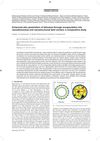
May 2016 in “Die Pharmazie” Nanostructured lipid carriers deliver lidocaine to the skin better than nanoethosomes.
7 citations
,
November 2025 in “Pharmaceutics” Polymer- and lipid-based nanostructures can improve wound healing by controlling contamination, supporting cell growth, and aiding tissue repair.
January 2026 in “ACS Applied Bio Materials” A new treatment using nanoliposomes can improve hair regrowth in androgenetic alopecia.
80 citations
,
June 2012 in “European Journal of Pharmaceutics and Biopharmaceutics” Nanoparticles improve drug delivery and effectiveness in treating inflamed skin.
32 citations
,
June 2024 in “Pharmaceutics” Nanoformulations improve drug delivery through the skin, reducing side effects and enhancing effectiveness.
125 citations
,
March 2017 in “Micromachines” Microfluidic technology improves cell spheroid creation for better drug testing and tissue engineering.
 March 2026 in “Research Square”
 Polymer dot nanozymes and exosomes, with laser stimulation, speed up wound healing.
July 2025 in “Materials Today Bio” TFC-loaded microneedles effectively promote hair regrowth in androgenetic alopecia.
15 citations
,
May 2013 in “International Journal of Cosmetic Science” Different ethnic hair types have unique nanoscopic and molecular features despite having the same basic keratin structure.
January 1980 in “中国科学A辑(英文版)” The protein structures in the hair and tendon were preserved, but their molecular arrangements changed.
Nanotechnology offers promising new treatments for PCOS by reducing inflammation and oxidative stress.
 October 2019 in “DOAJ (DOAJ: Directory of Open Access Journals)”
 Minoxidil nanoparticles improve hair growth more effectively than regular minoxidil.
8 citations
,
June 2023 in “Journal of clinical medicine” Nanofat shows promise for facial rejuvenation and treating skin issues but needs more research for long-term safety.
66 citations
,
June 2004 in “Biophysical Journal” Hard α-keratin in hair has a unique, nonordered structure, different from other fibers.
October 2025 in “Bioactive Materials” Combining traditional Chinese medicine with microneedles shows promise for effectively treating skin diseases with fewer side effects.
 June 2024 in “International Journal of Nanomedicine”
 CRISPR/Cas9 has improved precision and control but still faces clinical challenges.

NIMO-CH hydrogel effectively heals wounds with minimal scarring and promotes hair growth.
21 citations
,
June 2023 in “Journal of Nanobiotechnology” Engineered extracellular vesicles could improve CRISPR/Cas delivery, making gene editing safer and more effective.
 4 citations
,
May 2023 in “Composites Part B: Engineering”
4 citations
,
May 2023 in “Composites Part B: Engineering” The nanocomposite hydrogels can repair themselves, change shape, reduce inflammation, protect against oxidation, kill bacteria, stop bleeding, and help heal diabetic wounds while allowing for wound monitoring.
 January 2014 in “대한미용학회지”
 Using supercritical carbon dioxide can change the size of Hinokitiol particles.
 July 2024 in “Frontiers in Bioengineering and Biotechnology”
 Storing nanofat at -20°C for 7 days does not harm its ability to regenerate.
1 citations
,
January 2023 in “Frontiers in Physiology” The method allows precise cell removal without harming nearby tissues.
 April 2026 in “Frontiers in Pharmacology”
 Nanotechnology improves skin treatments by enhancing delivery and reducing side effects.
 August 2025 in “Macromolecular Bioscience”
 Microneedles with minoxidil and nitric oxide improve hair growth effectively and painlessly.
 1 citations
,
June 2023 in “Chemical engineering journal”
1 citations
,
June 2023 in “Chemical engineering journal” A new microneedle patch treats hair loss effectively with fewer side effects and less frequent use.
19 citations
,
July 2024 in “Drug Delivery” Polymer-based nanocarriers can improve acne treatment by delivering drugs through hair follicles more effectively.
January 2015 in “SciDok (Saarland University and State Library)” Clobetasol nanocarriers can be effectively delivered to hair follicles, with uptake improved by massage and affected by particle type.