 March 2026 in “Pharmaceutics”
 Plant-derived nanovesicles show promise in cancer treatment but need standardized preparation.
 September 2025 in “Frontiers in Cell and Developmental Biology”
 TCM-derived nanovesicles show promise for wound healing and skin regeneration but need more research.
 January 2022 in “Elsevier eBooks”
 Nanospanlastics are effective in targeted drug delivery for chronic diseases, improving skin conditions, treating hair loss, and increasing drug absorption.
December 2020 in “Research Square (Research Square)” Neural cell nanovesicles help hair growth by activating key signals.
 May 2026 in “Medical Sciences”
 Vesicle-based therapies from stem cells and plants improve burn healing and could be safe, scalable alternatives to cell transplants.
 25 citations
,
December 2013 in “Journal of Investigative Dermatology Symposium Proceedings”
25 citations
,
December 2013 in “Journal of Investigative Dermatology Symposium Proceedings” New methods like nanoparticles and microneedles show promise for better skin drug delivery, especially for hair disorders.
 June 2026 in “Brazilian Journal of Hair Health”
 The treatment improved hair growth and quality in women with hair loss.
 March 2026 in “Akdeniz Medical Journal”
 Exosomes show promise for treating skin conditions and improving cosmetic skin health.
December 2024 in “International Journal of Advanced Research” Bovine colostrum exosomes are more effective for skin rejuvenation than plant-derived products.
13 citations
,
November 2024 in “Anais Brasileiros de Dermatologia” Exosomes show promise in skin and hair treatments, but more research is needed to ensure their safety and effectiveness.
 May 2026 in “Zenodo (CERN European Organization for Nuclear Research)”
 Ashwagandha seed exosomes may help promote hair growth.
 May 2026 in “Zenodo (CERN European Organization for Nuclear Research)”
 Ashwagandha seed exosomes may help promote hair growth.
 January 2024 in “Cosmetics”
 HAIR & SCALP COMPLEX may help treat hair loss by stimulating hair growth and restarting the hair cycle.
 1 citations
,
January 2023 in “Journal of pharmaceutical and biological sciences”
1 citations
,
January 2023 in “Journal of pharmaceutical and biological sciences” Ethosomes are a promising way to deliver drugs through the skin.
39 citations
,
August 2022 in “Pharmaceutics” Combining letrozole and quercetin in spanlastics may improve breast cancer treatment.
49 citations
,
February 2025 in “Science Advances” Biomimetic synthetic vesicles could improve precision medicine by combining natural and synthetic benefits.
 1 citations
,
December 2022 in “Frontiers in Bioengineering and Biotechnology”
1 citations
,
December 2022 in “Frontiers in Bioengineering and Biotechnology” New pharmaceutical biomaterials, especially nanomaterials, show promise for improving cancer treatment and disease diagnosis.
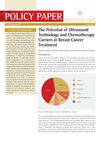
Ultrasound and nanocarriers could make breast cancer treatment safer and more effective.
 260 citations
,
January 2019 in “Pharmaceutics”
260 citations
,
January 2019 in “Pharmaceutics” Niosomes are a promising, stable, and cost-effective drug delivery system with potential for improved targeting and safety.
 1 citations
,
January 2024 in “Theranostics”
1 citations
,
January 2024 in “Theranostics” Exosomes show promise for future tissue regeneration.
 113 citations
,
November 2017 in “Scientific Reports”
113 citations
,
November 2017 in “Scientific Reports” Tiny particles from stem cells help activate hair growth cells and encourage hair growth in mice without being toxic.
 14 citations
,
February 2021 in “International Journal of Pharmaceutics”
14 citations
,
February 2021 in “International Journal of Pharmaceutics” Deer antler velvet serum helps hair grow and is safe for skin.
 1 citations
,
December 2025 in “Iraqi Journal of Pharmaceutical Sciences ( P-ISSN 1683 - 3597 E-ISSN 2521 - 3512)”
1 citations
,
December 2025 in “Iraqi Journal of Pharmaceutical Sciences ( P-ISSN 1683 - 3597 E-ISSN 2521 - 3512)” Spanlastics effectively deliver Rizatriptan Benzoate with high efficiency and controlled release.
17 citations
,
January 2025 in “Journal of Nanobiotechnology” Bacterial extracellular vesicles could revolutionize regenerative medicine but need safety improvements.
February 2024 in “Pharmaceutics” Microneedles with extracellular vesicles show promise for treating various conditions with targeted delivery.
 72 citations
,
January 2023 in “International Journal of Biological Sciences”
72 citations
,
January 2023 in “International Journal of Biological Sciences” Engineered exosomes show promise for improving wound healing but face challenges in clinical use.
 57 citations
,
June 2021 in “Polymers”
57 citations
,
June 2021 in “Polymers” Photothermal hydrogels are promising for infection control and tissue repair, and combining them with other treatments could improve results and lower costs.
 30 citations
,
December 2019 in “PLoS ONE”
30 citations
,
December 2019 in “PLoS ONE” The new delivery system improved raloxifene's skin absorption and effectiveness against cancer cells.